Specialty coffee is evolving, and so are the tools we use to understand it. In recent years, the industry has pushed cupping away from accessibility and real world application. This move puts a point on a major, longstanding question for specialty coffee assessment: How do we scale cupping and tasting without losing nuance, accuracy, or meaning? How do we make cupping and tasting more actionable, even if the industry trend is to make it less? The Coffee Rose — our digital cupping and tasting platform — proposes a compelling answer.
Designed as both a cupping tool and a tasting companion, the Coffee Rose synthesizes sensory science with the practical realities of everyday coffee work. Instead of forcing tasters into rigid categories or assuming expert-level skill, it provides a dynamic, intuitive way to record flavor, intensity, and experience — whether you’re formally cupping or informally tasting.
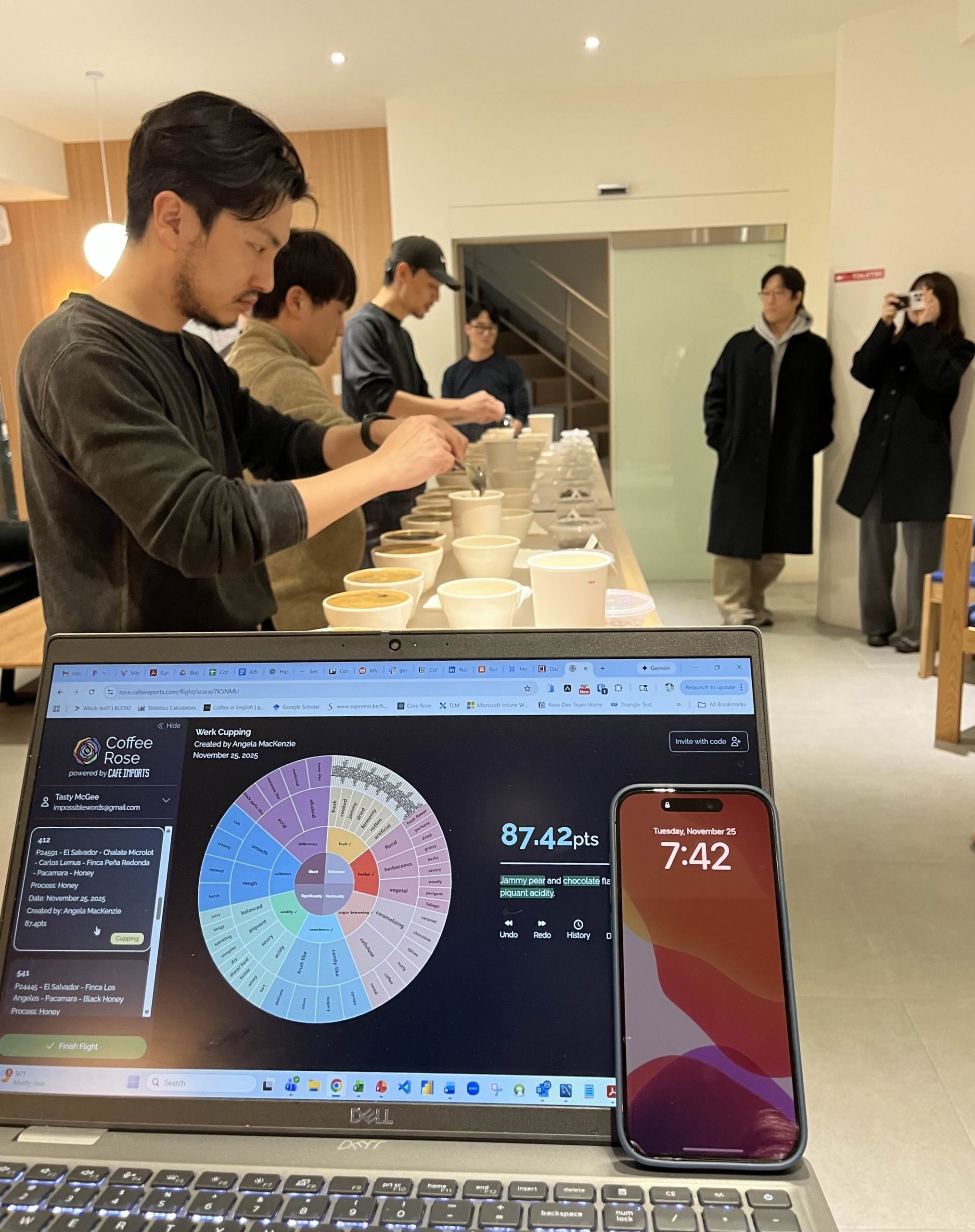
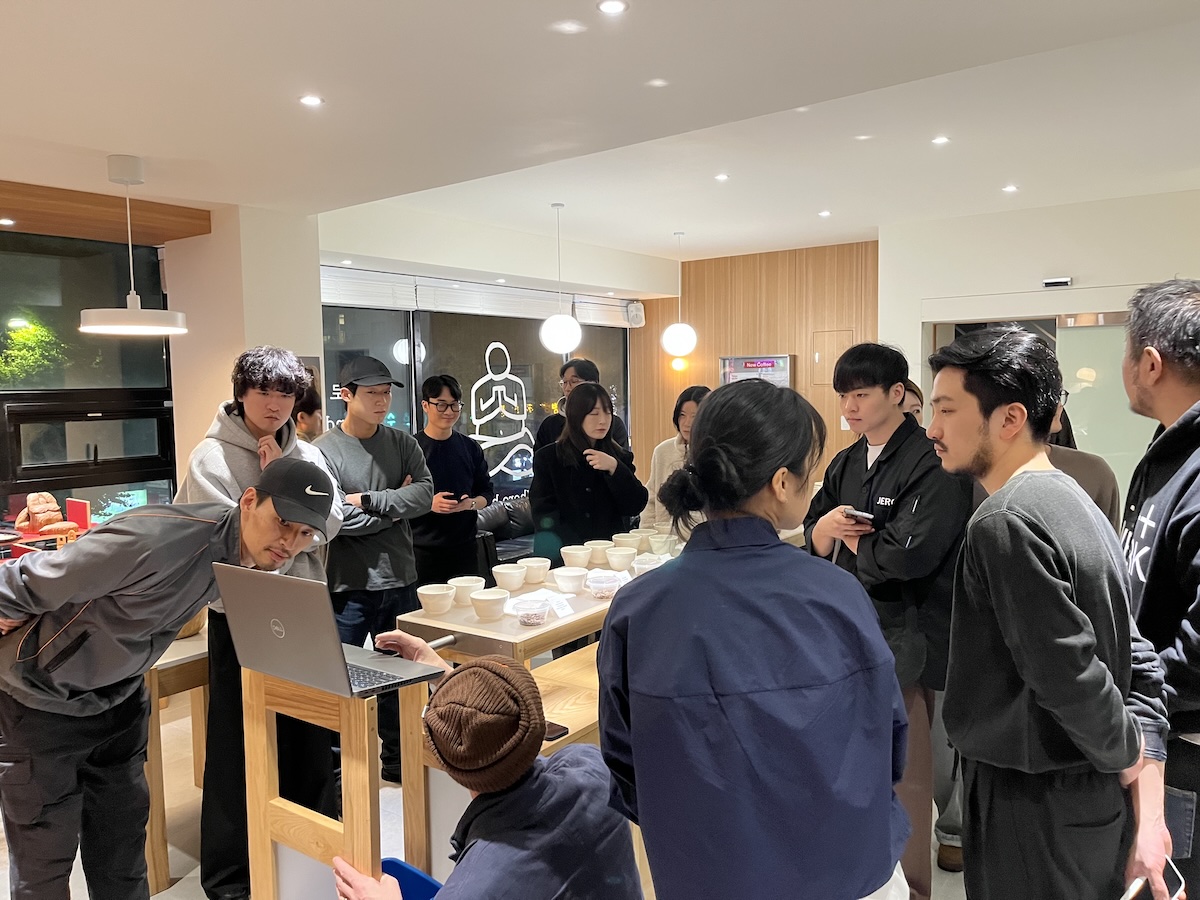
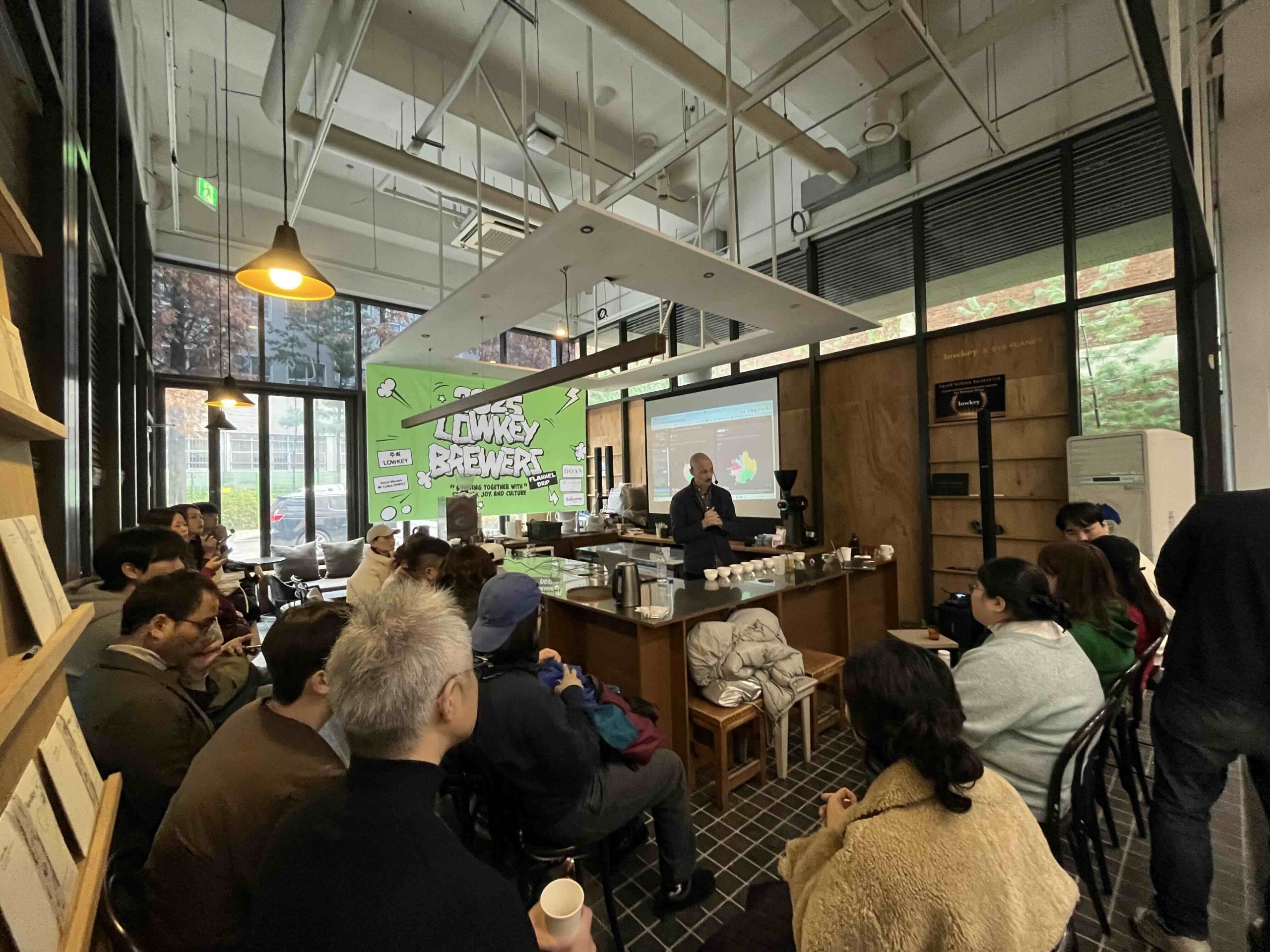
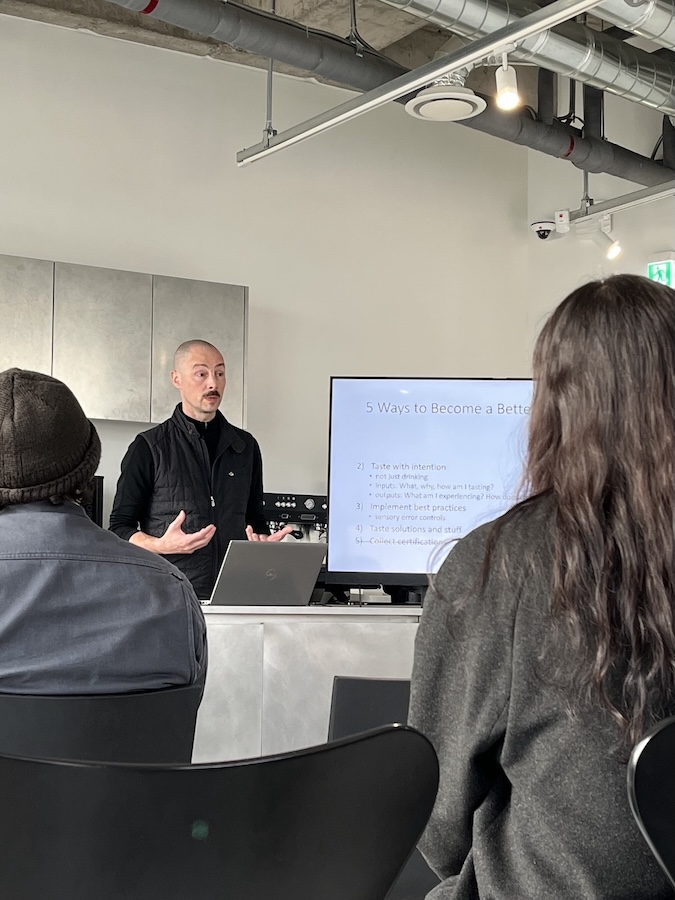
We’ve used the Rose at Cafe Imports since the beginning of 2021, assessing thousands of coffees and training many new employees in that time. Recently, I joined our Asia sales rep Angie MacKenzie for a 3-city tour to present the Rose (and some delicious coffees) to some of our customers in Hong Kong, Busan, and Seoul. Surprising nobody, the turnout and engagement were stupendous. Here’s an overview of what we talked about in these sessions:
How can we increase the volume and frequency of cupping and tasting without sacrificing descriptive power, responsiveness, or reliability?
Traditional cupping methods, while structured, suffer from serious limitations: inconsistent presentation, low sample yields, susceptibility to sensory error, and a high bar for expertise. Recently proposed methods exacerbate these issues. Meanwhile, less formal daily tasting generates a huge amount of sensory experience that rarely gets captured as usable data. The Coffee Rose connects those worlds by making high-quality sensory input fast, accessible, and repeatable- whether generated formally or informally.
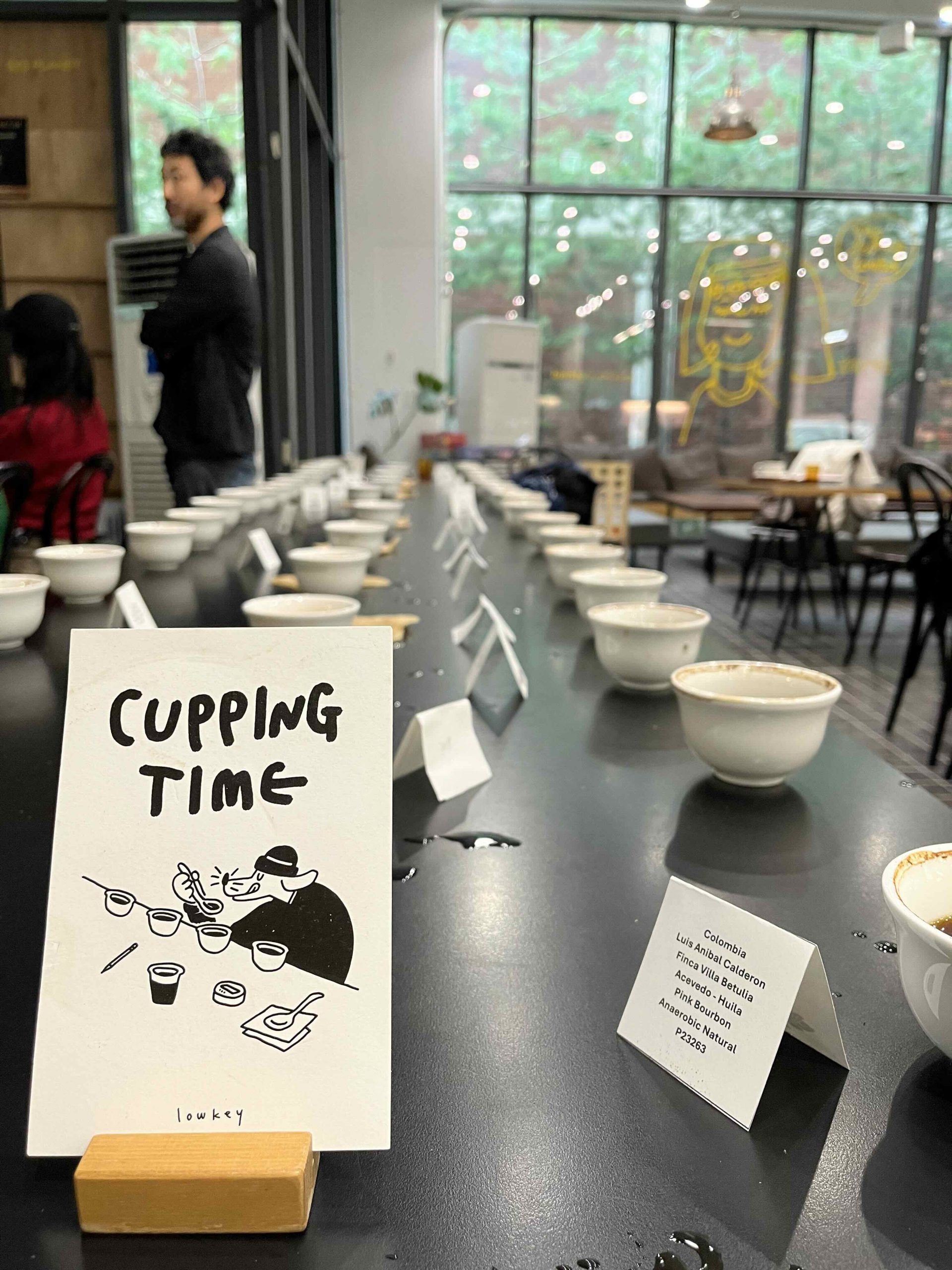
Cupping is formalized tasting, and tasting is informal cupping.
Cupping is a high-resolution, precision tool, but it’s also slow, resource-intensive, and traditionally restricted. Tasting is fast, frequent, and inexpensive, but it lacks structure and data capture. The Coffee Rose allows each practice to benefit the other:
By building a system around coffee data rather than just cupping data (let alone personal busy work data, as in the CVA), users can dramatically increase their understanding of their coffees, leading to better decision-making, coffee profiling, and customer insight.
Whether we’re cupping or tasting, if we’re interested in the coffees, we’re interested in the same things: specificity (is it just fruity or is it jammy strawberry?), content (is it jasmine or peanut or jasmine and peanut or over or under extracted?), and intensity (how strong is the jasmine, and the peanut?). Rather than pulling cupping further and further away from tasting, the Rose gives us a way to allow it to lean in.
Many classic sensory-science methods don’t translate cleanly to specialty coffee: they require large panel sizes, highly trained tasters, reductions of common experience, and distinctions too fine to be useful (e.g., 7 vs. 8 out of 9, 13, or 15 intensity levels). Over and over, people correctly express to us their clear and intuitive understanding that the systems parroting these methods are not helpful. In fact, if they were well implemented, they would lead to the erasure of specialty coffee! Unfortunately, it’s not always clear to people that these systems are failing to represent sensory science’s potential to help us in specialty coffee. The Coffee Rose takes inspiration from modern profiling tools — CATA/RATA, signal detection, and quantitative lexicons — and adapts them to the realities of coffee professionals.
Key innovations include:
Human tasters naturally encounter physiological and psychological errors like expectation bias, habituation, stimulus error, and more. We tackle these problems by emphasizing:
Rather than selling “sensory science™” as a means of exclusion, we’ve opted to figure out how to apply it as a support for inclusion. One of the most surprising parts of these presentations is when people realize that sensory science could actually support their workflows!
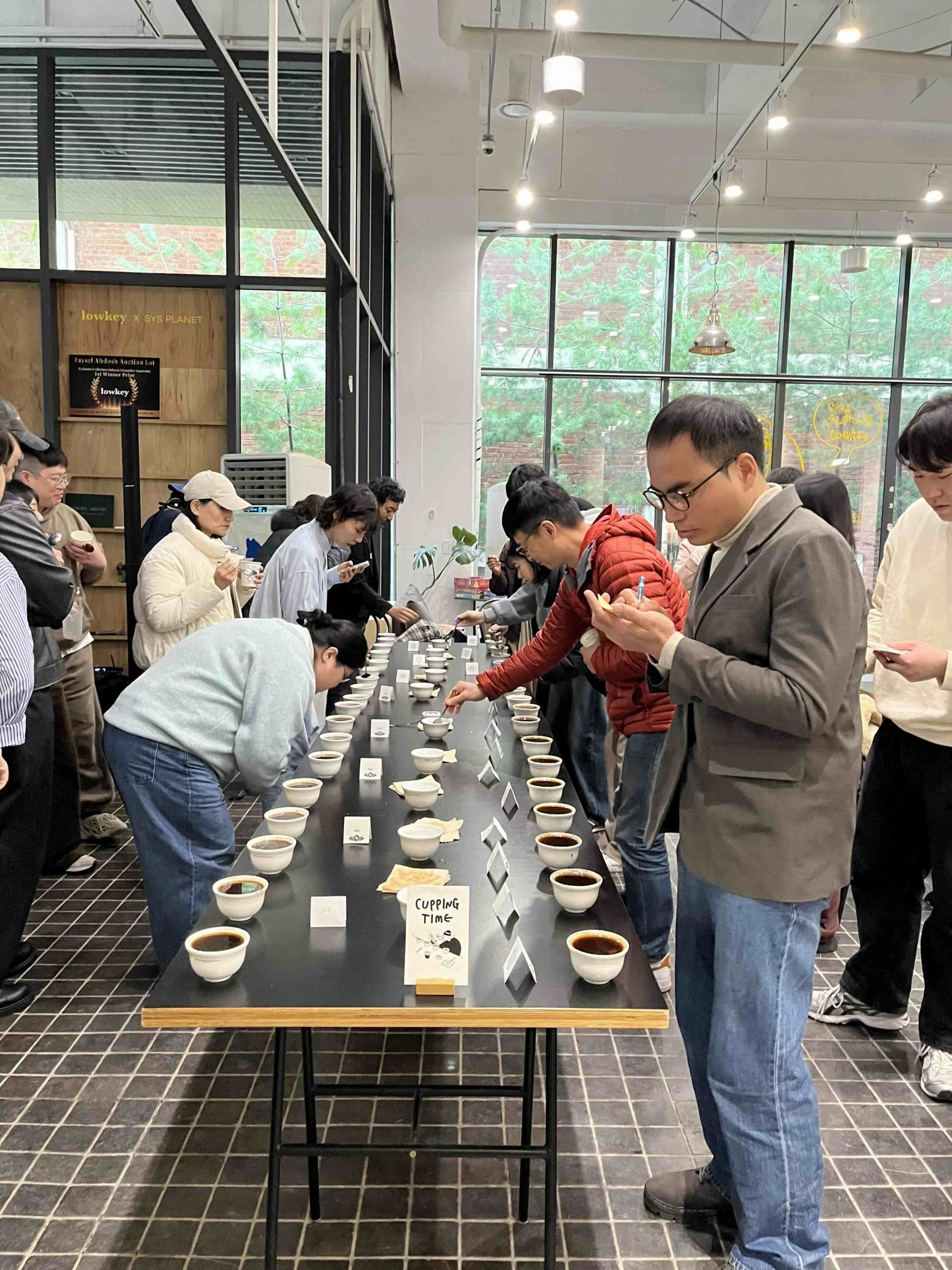
We also dove into a philosophical but crucial issue, in particular given that Angie and I were visiting foreign countries on the other side of the world: flavor language is relational, contextual, and imperfect. A descriptor like blueberry doesn’t just mean “tastes like blueberry,” it categorizes, contrasts, and locates a coffee within larger sensory, cultural, and social networks.
The Coffee Rose embraces this complexity instead of restricting it, allowing descriptors to emerge from the cup and the cupper rather than forcing them into rigid boundaries that lack meaning. Our approach values human accuracy over mechanical objectivity, acknowledging that coffee is an emergent and participatory sensory experience, not something that can be reduced to fixed, static labels or crammed into jam jars. While the Rose was built to help users collect actionable coffee data, it was designed with a deep understanding that coffee itself and coffee people are not just data to be collected.
At its core, the Coffee Rose is more than a digital cupping sheet. It’s a system designed to:
Angie and I presented a bunch of great coffees along with the Coffee Rose, but what we really presented was an invitation to rethink how we taste and talk about coffee: not by either discarding tradition nor by hiding it behind obfuscations and certifications, but by supporting it with tools that reflect the complexity and beauty of the cup and of cuppers.