
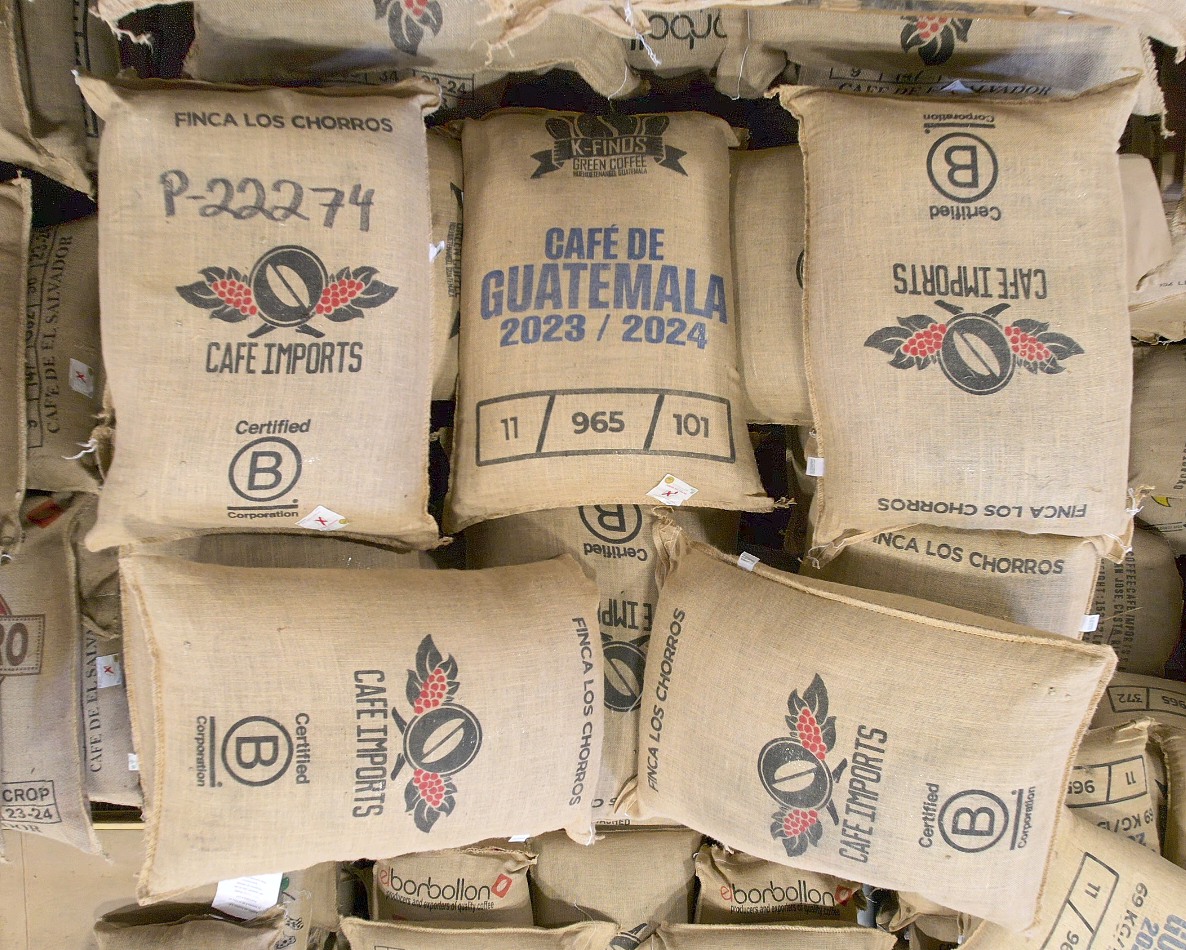
Most Newly Imported Coffee is Now Exempt from U.S. Tariffs
Most Newly Imported Coffee is Now Exempt from U.S. Tariffs
Effective 12:00am on November 13th
Last Updated: March 10th, 2026
Most Newly Imported Coffee is Now Exempt from U.S. Tariffs
Effective 12:00am on November 13th
Last Updated: March 10th, 2026
Brazil has long been the backbone of flagship blends and espresso programs, but with the U.S. now imposing a 50% tariff on Brazilian goods, we explore some alternatives that could help fill its place.
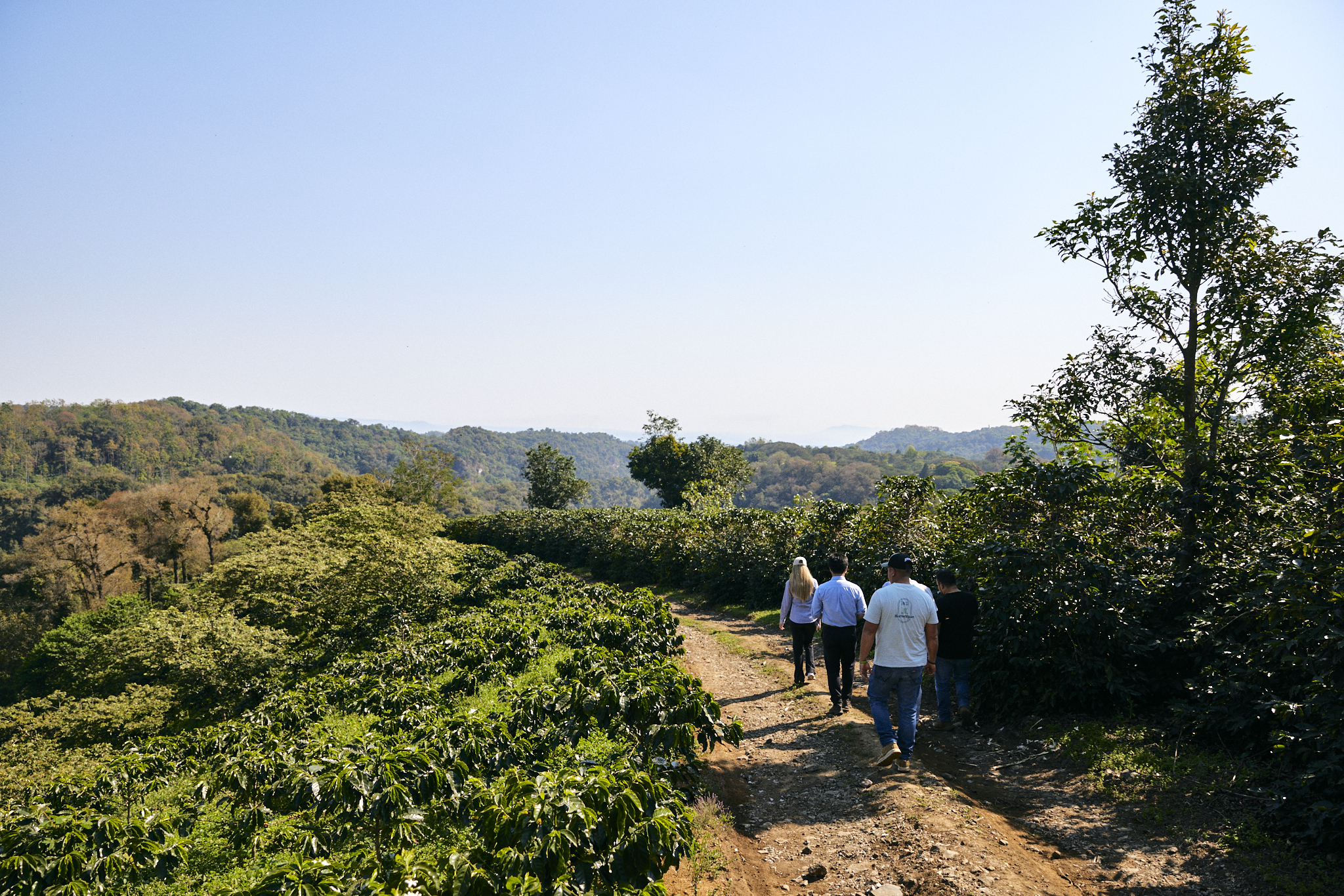
This expansion of quality beyond traditional strongholds is breathing new life into Mexican coffee and offering more diverse profiles to explore.
Supporting Mexican coffee now means supporting a supply chain that’s actively investing in its future. From farm renovations to quality experimentation, producers are betting big on specialty.
As you may have heard, the U.S. government announced a new round of tariffs last night—part of a broader “reciprocal” trade strategy that affects imports from more than 70 countries. These tariffs, ranging from 10% to 50% depending on country of origin, are scheduled to take effect on August 7.

Meet the people behind ARGCAFEE and hear their story—from their humble beginnings to the impact they’ve had on the community through collective action and market access. Two new videos are out now.
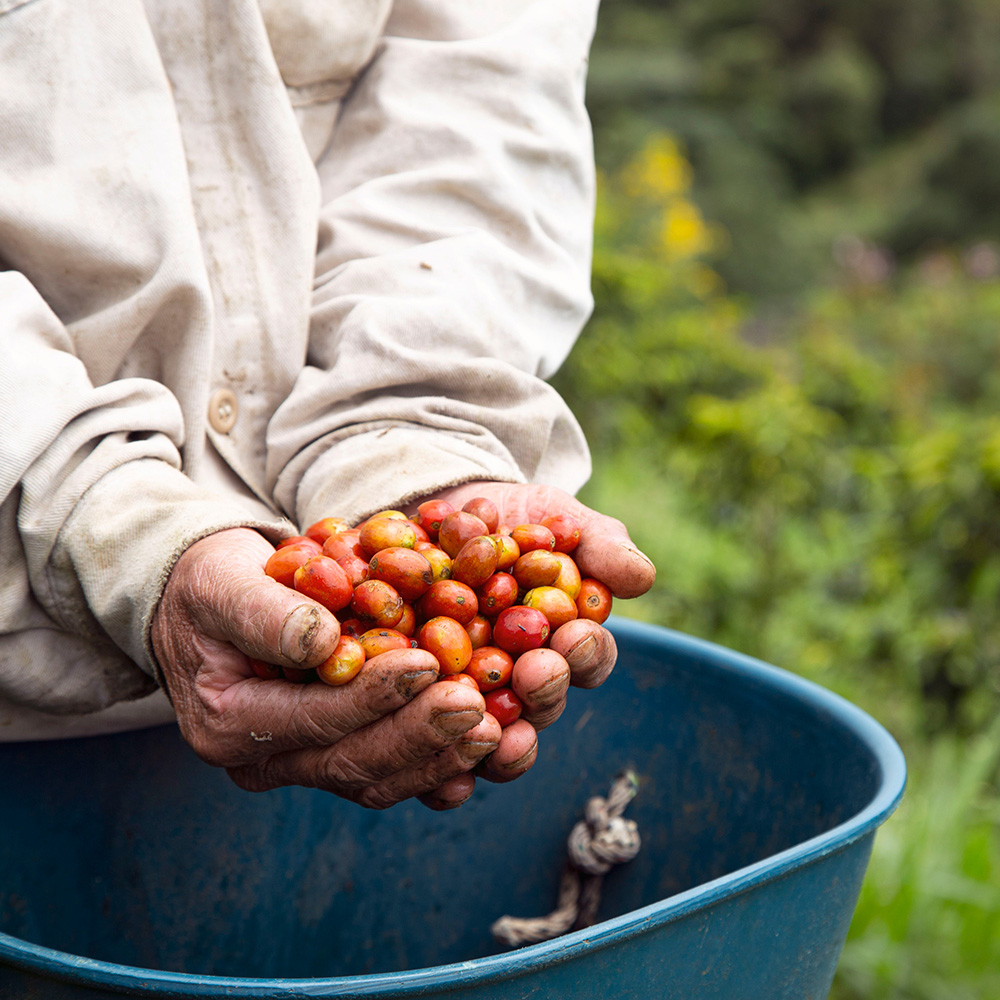
One area that has been rightly ripping, in particular relative to historical norms, has been the introduction, interest in, and acceptance of new coffee varieties. When Castillo was introduced many people wanted to turn their noses up at it. In our lab, we were more accepting, as the results on the cupping table were impossible to deny. We regularly found it to perform well against Caturra, Typica, and the many other varieties that we blinded it against. When it won the Cup of Excellence, people were somehow shocked, going so far as to disbelieve the results.
And then, seemingly overnight, Castillos were broadly accepted. What happened?
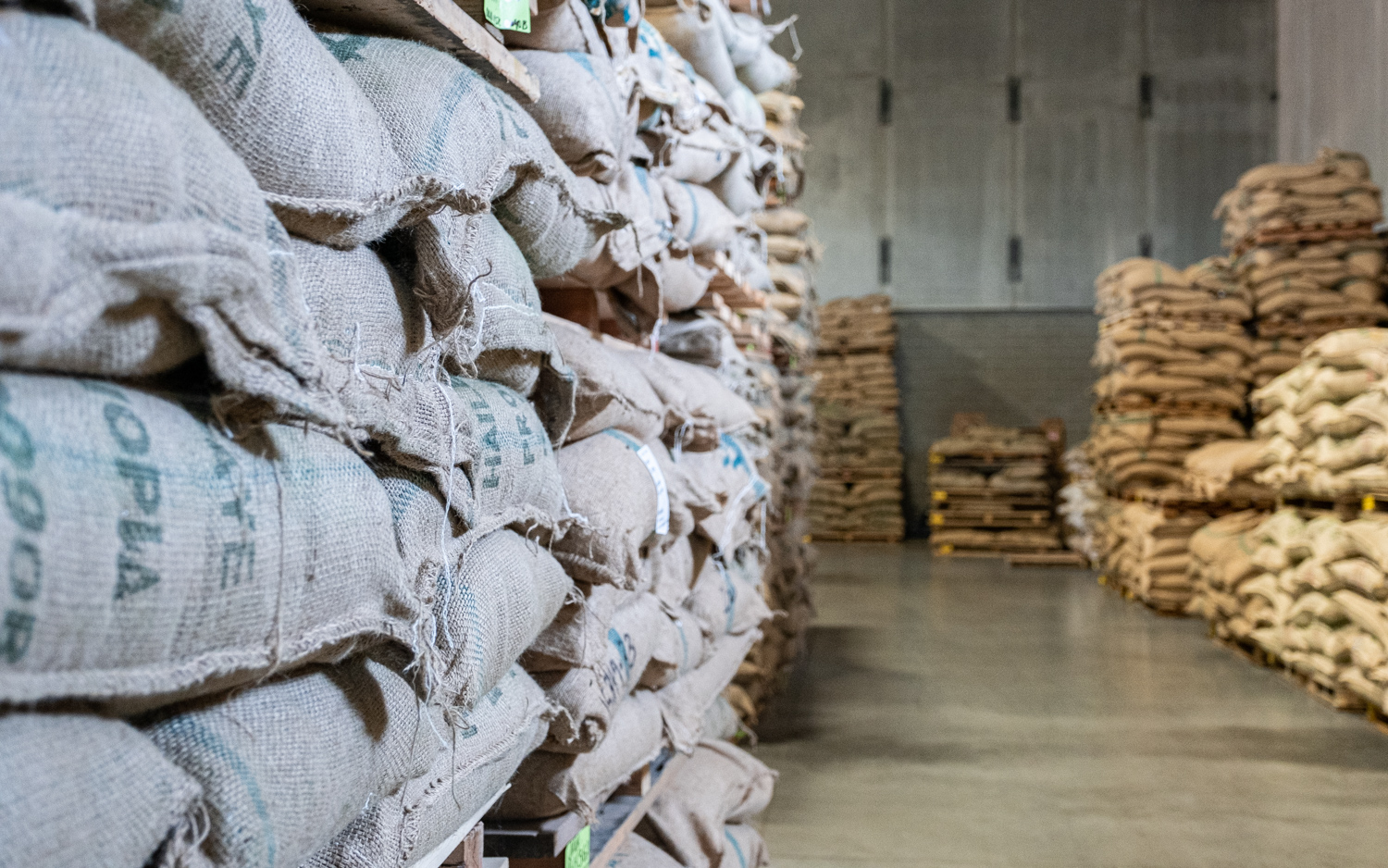
Is Fresh and Fast Good?
Fresh is good – freshly baked bread or freshly roasted coffee.
Fast can be good, too. Coffee hanging out in port towns like Dar, Tanzania, when it’s 99ᵒF (37ᵒC) and 99% humidity for extended periods is not ideal. In coffee, though, fresh and fast together aren’t always good. There is a strange race nowadays for new crop coffees where offerings may arrive before they should even be shipped.
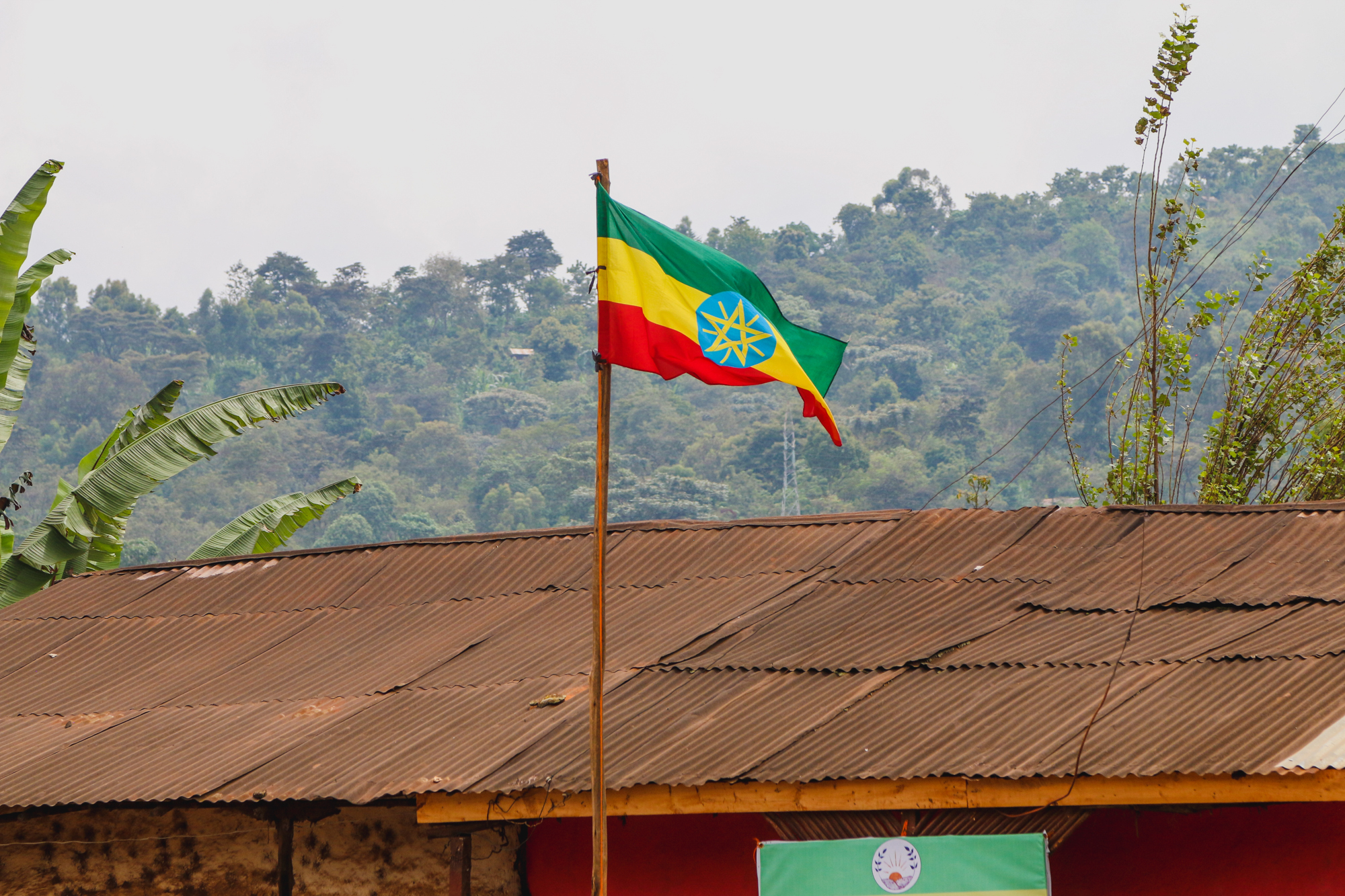
Ethiopian coffee has always been our favorite, but there has always been a weird reshuffle of the business every few years, usually due to a governmental change triggered by something behind the scenes. We wanted to figure out what was going on this time.
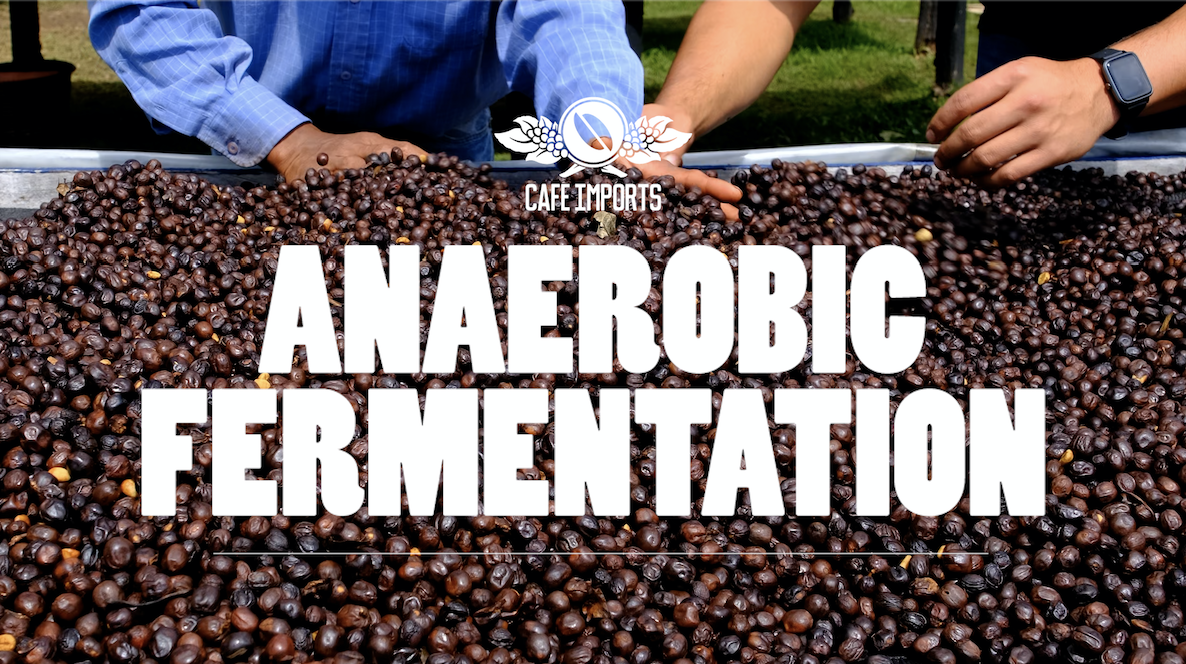
Interest in innovative post-harvest processing styles is building across the coffee supply chain. Producers and consumers are seeing benefits like unique flavor profiles that add value to coffee, help producers, processors, mills, farms, and coffees stand out from the crowd, and help diversify offerings.
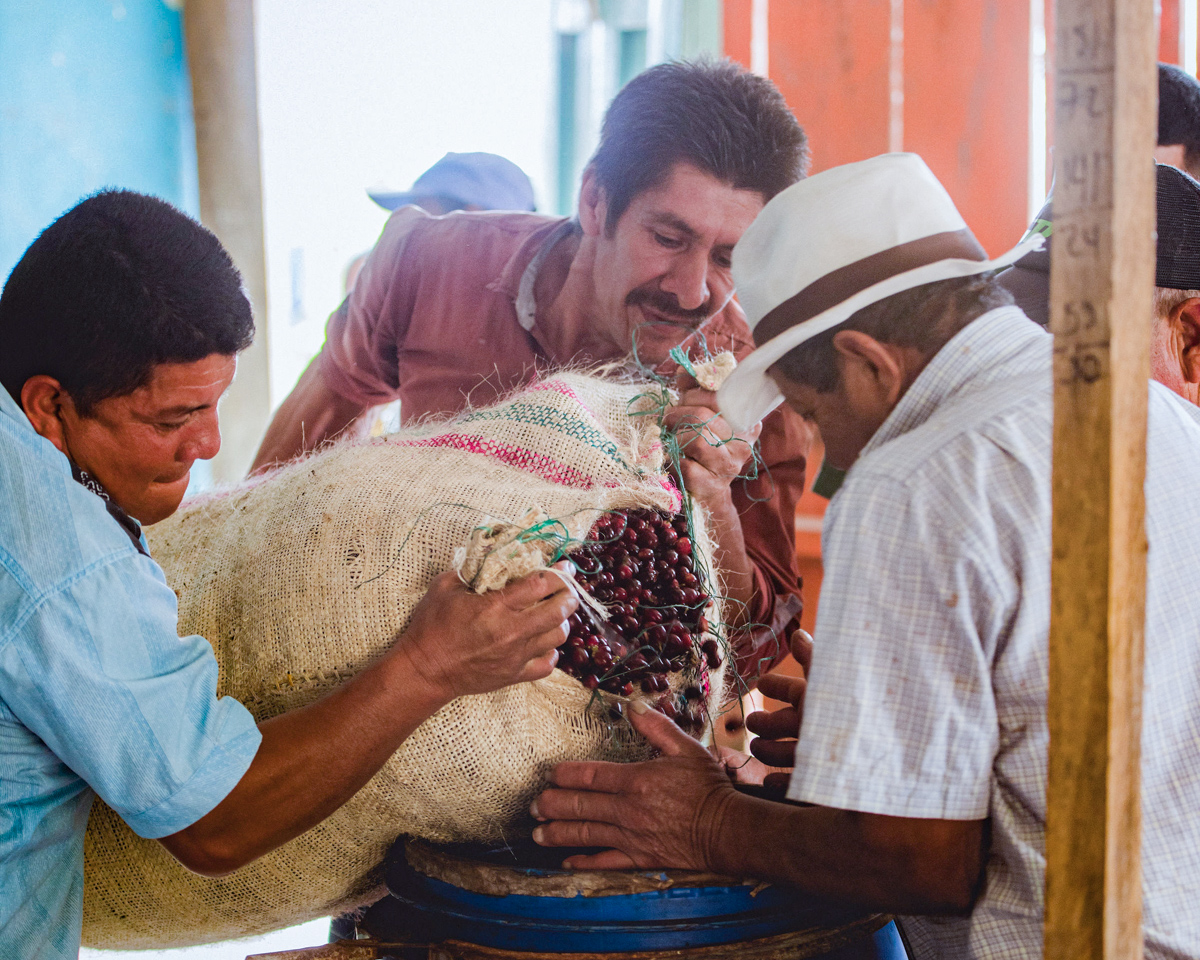
Finca Juan Martin and Manos Juntas are two different projects, both striving to make coffee production more profitable for producers and consistently delicious for consumers, all under the Banexport umbrella. Banexport is our longstanding partner and friend, sourcing and exporting many of our Cauca, Huila, and Nariño offerings. Their commitment to quality, sustainability, and economic equality for producers is exemplified in their projects, particularly Finca Juan Martin and Manos Juntas.
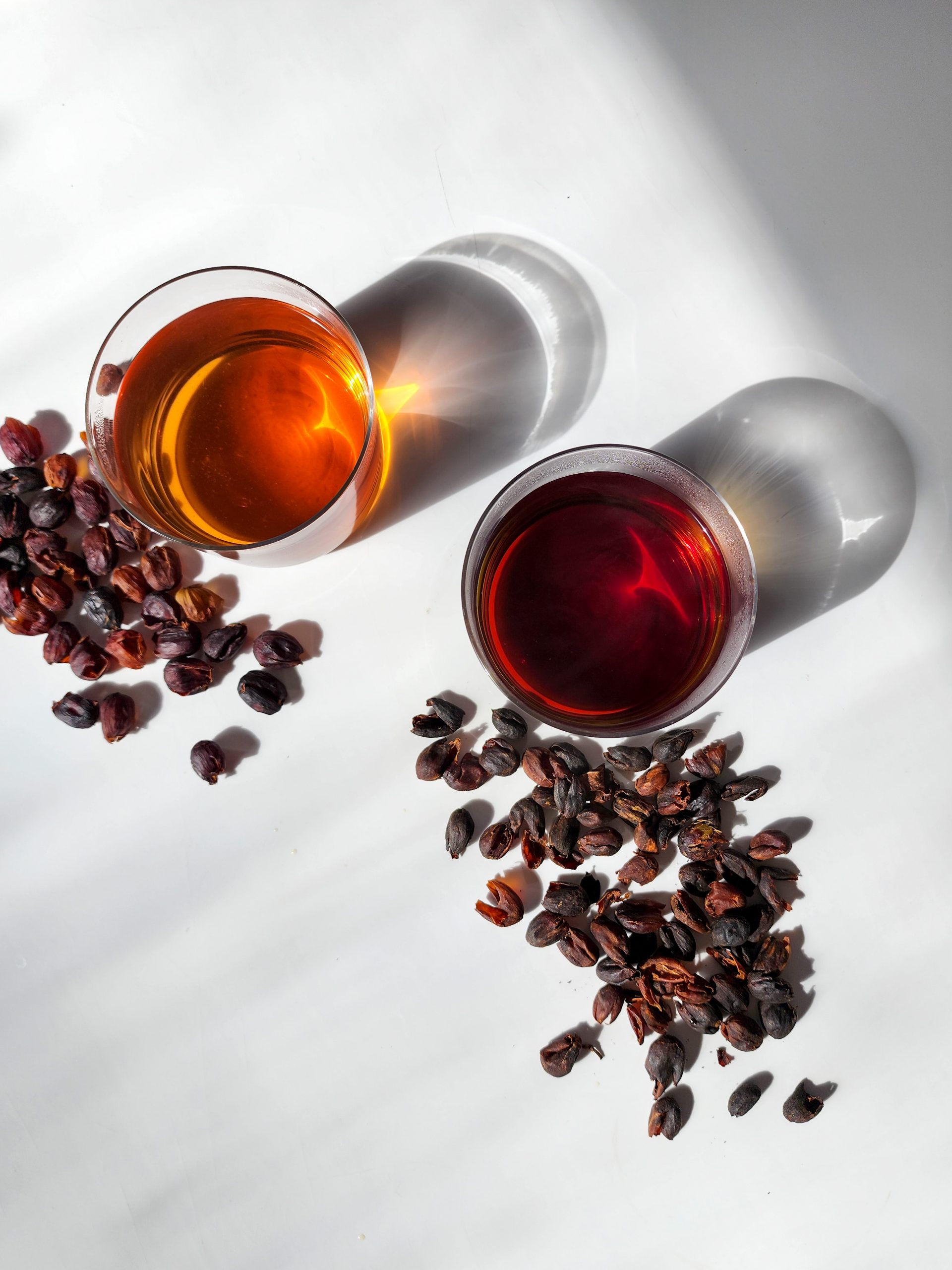
When coffee is processed, the layers of skin, fruit, and parchment are broken down and removed, leaving behind the seeds we roast and brew. Those discarded layers once provided life and protection to the seeds, but don’t have to all go to waste. The skin of the coffee cherry can be dried and sold as a singular product called Cascara.
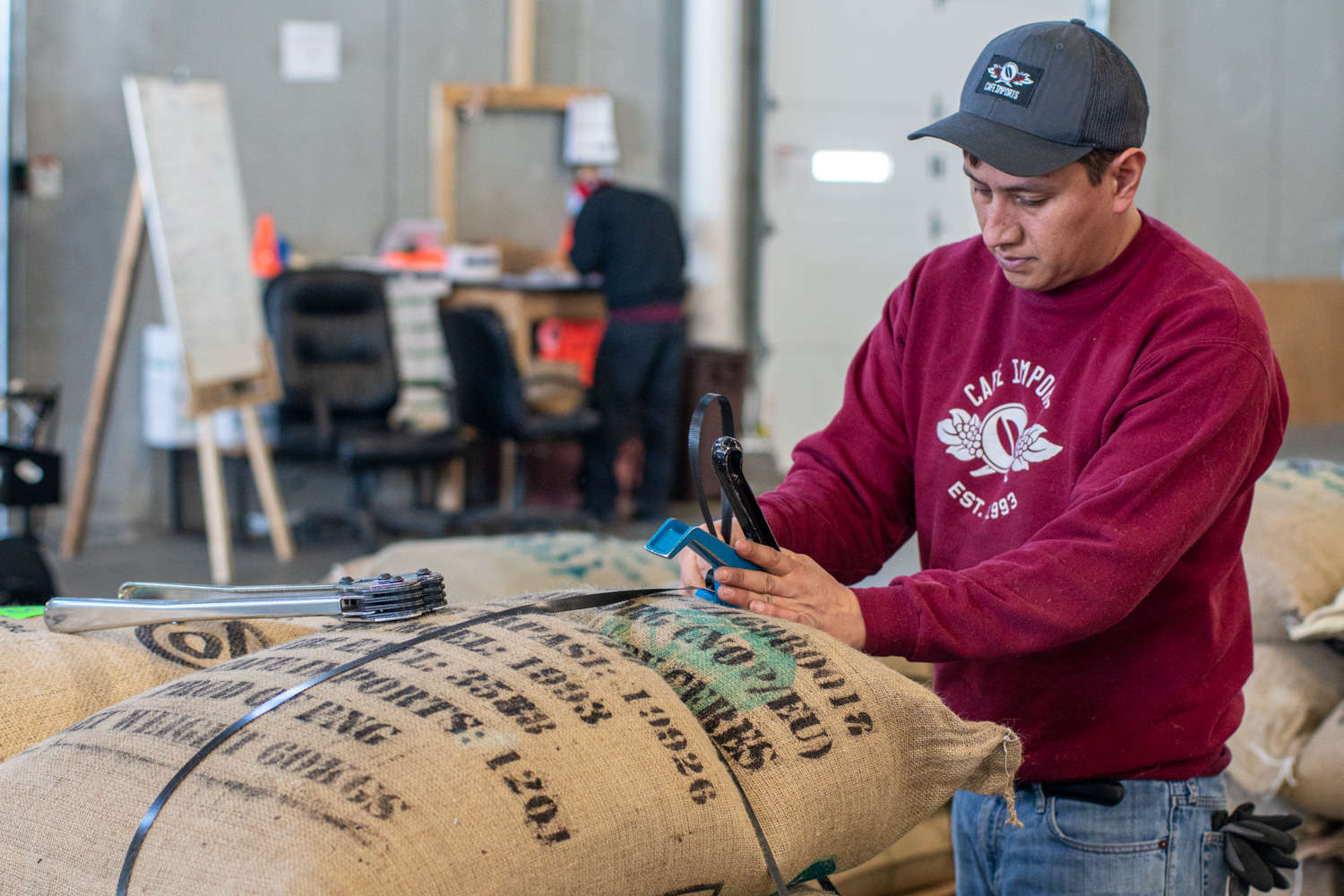
Due to increased holiday shipment demands, we anticipate December to be a challenging month for LTL freight in the United States.
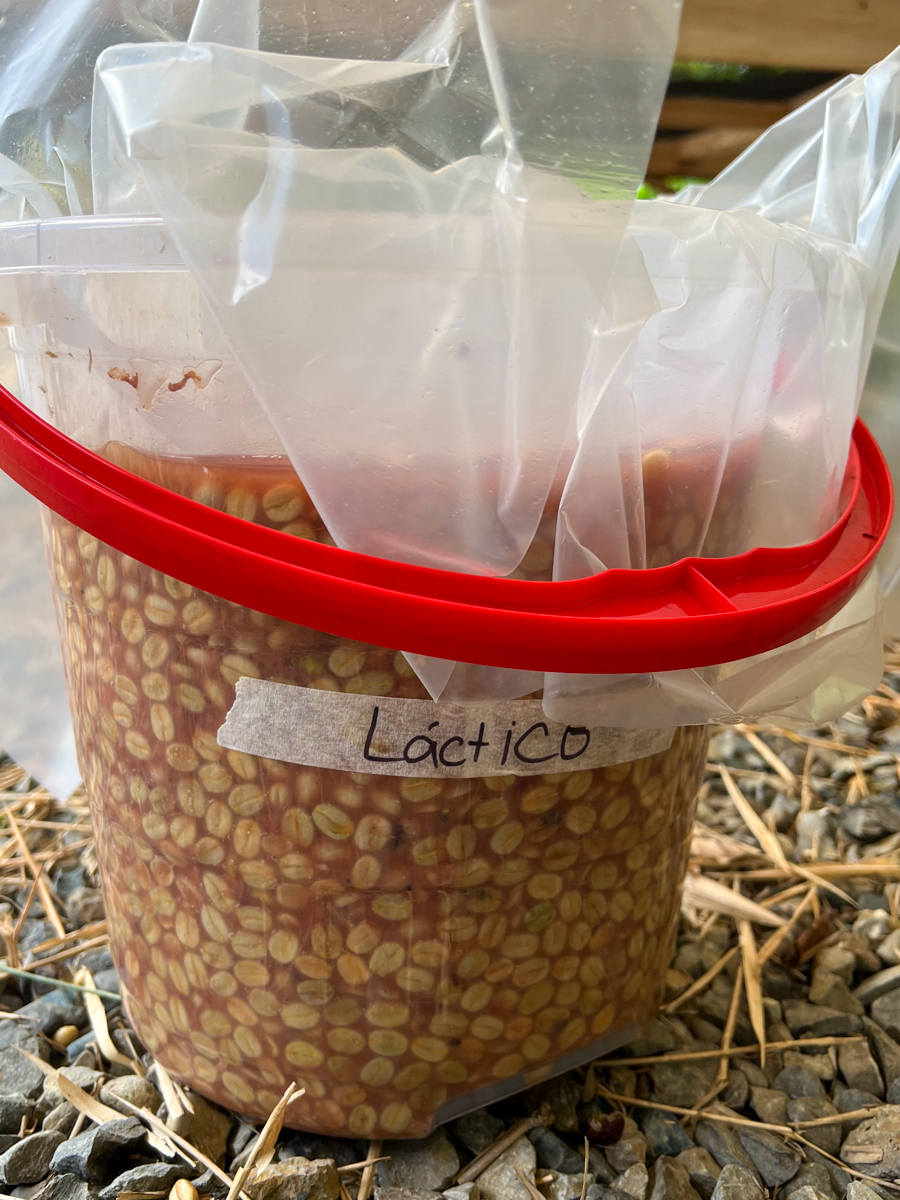
At Cafe Imports, we’ve noted a rise in questions about processing, many of which either center around deciphering terminology or what the growing hype about methodology in fermentation and processing means for producers/processors and the coffees they create.
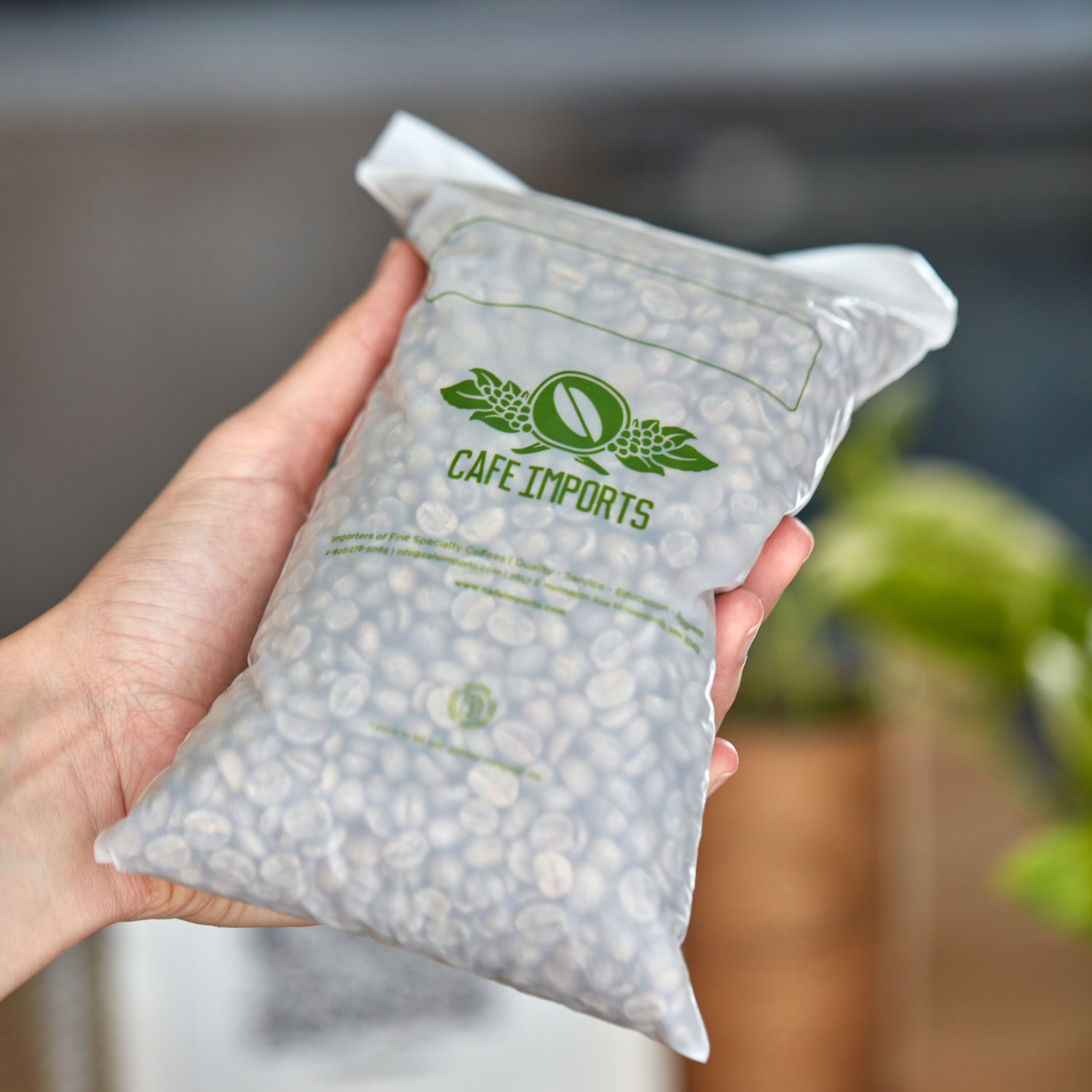
Our new green-coffee sample bags are made from biodegradable plant-based materials and designed to be composted by you. One of our primary values is to decrease our negative impact on the earth at every chance we get, and this is a real-life opportunity to do so. We believe this new packaging is a step in the right direction, but simply sending out a compostable material instead of a plastic material doesn’t mean we’re doing anything better unless these bags actually end up in the compost.
We have designed our purchase planning tools with you in mind to make buying coffee with us smoother than ever. By purchase planning, you can make decisions based on the most up-to-date information on current crop offerings with expert guidance from our sales reps working closely with our green buyers at origin.
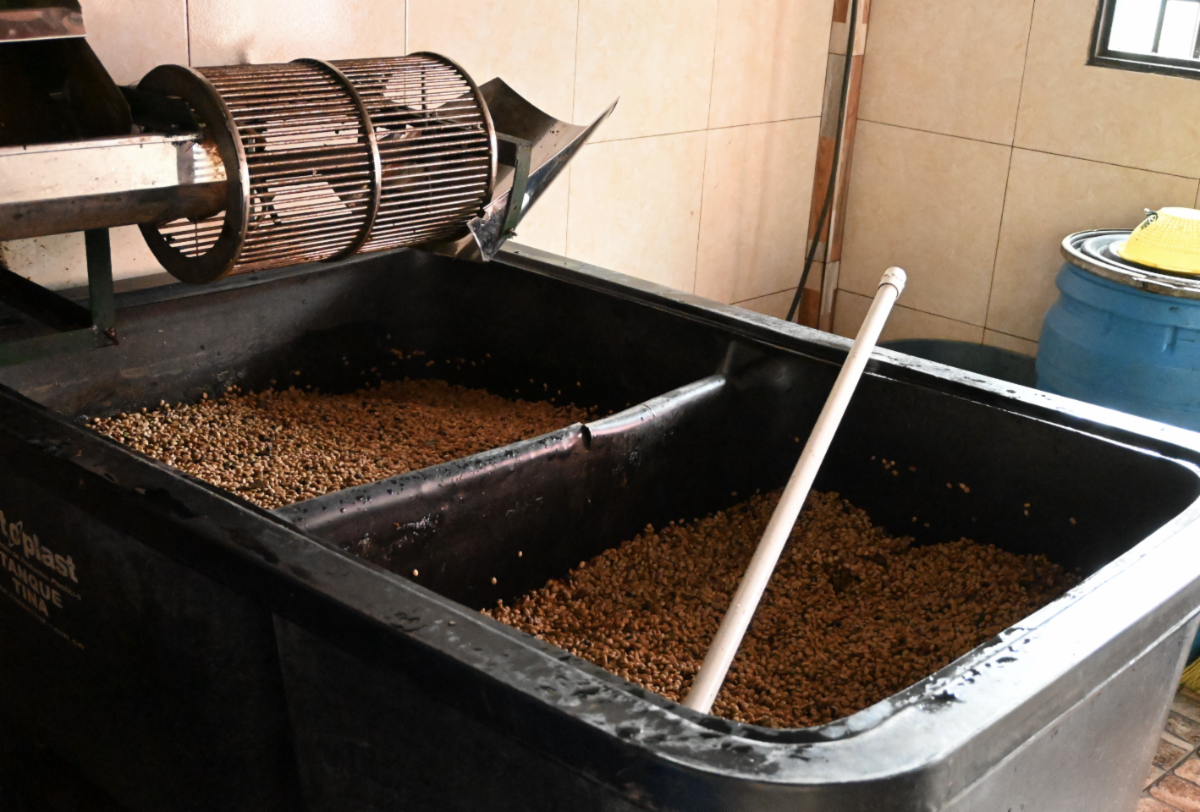
We’ve been sourcing some of our favorite coffees from Huila, Colombia, since the early 2000s, when we started developing relationships with producers farming along the verdant mountains that are home to this region. The delicate balance found within the cup profile of coffees from this area keeps us searching for more — strong, sparkling acidity with notes of clean fruit, carmalized sugars, and just enough body to hold it all together.
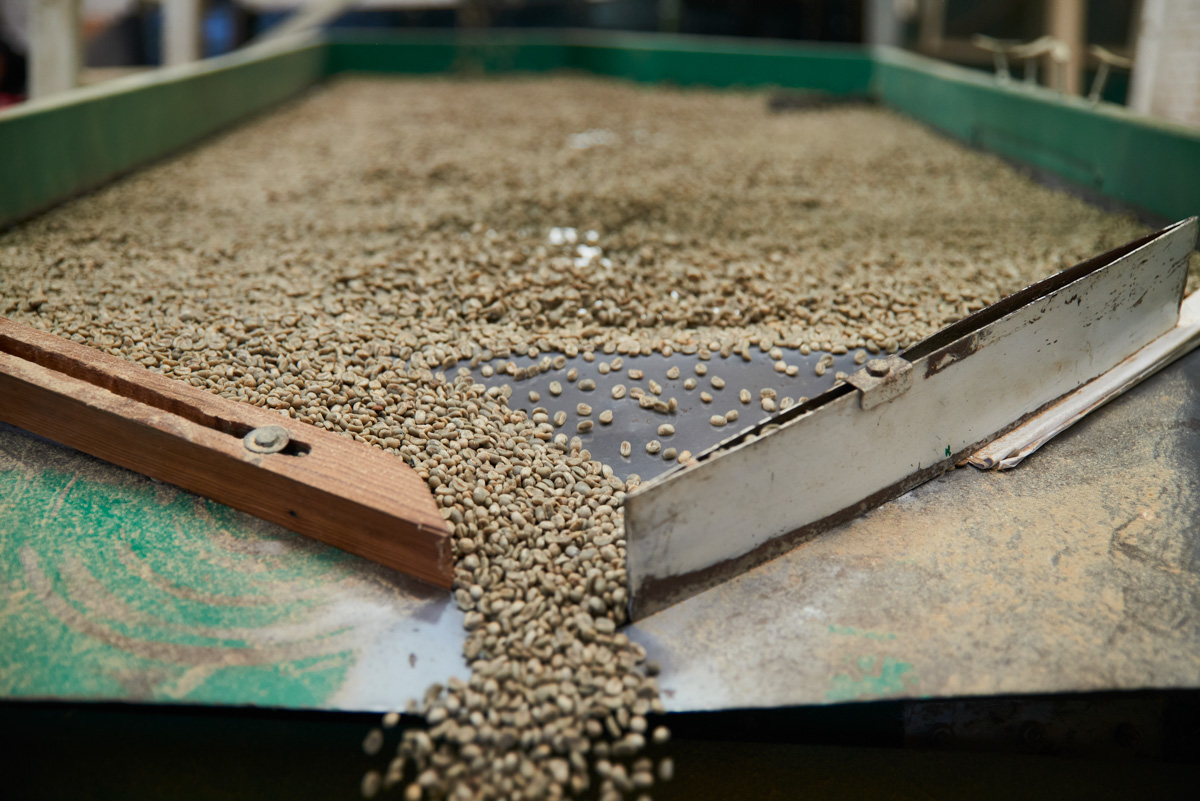
It is thanks to the resilience and determination of producers throughout Mexico that we are seeing quality like never before from the 2021/2022 harvest.
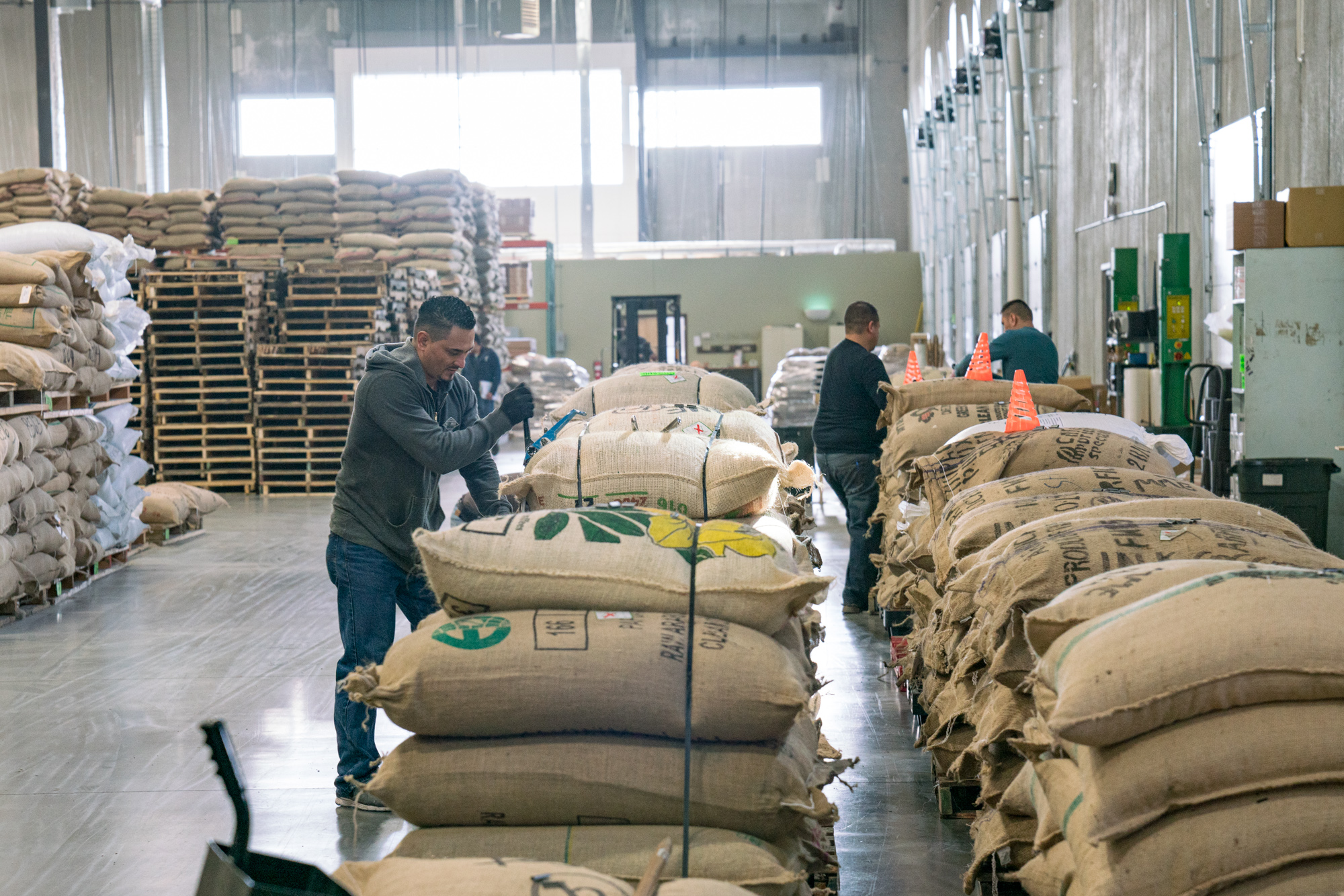
We all know it, that feeling of pure joy as another pallet of our favorite coffees arrives to the roastery. Watching eagerly as the pallet is lowered out of the truck and “look!”, the driver is even bringing it inside for us even though we didn’t request it — nice, right?
For all of us that exist somewhere between supply and demand, freight has become a volatile variable in the equation of expectation over the past few years.
We have designed our purchase planning tools with you in mind to make buying coffee with us smoother than ever.