

Watch our web-hosted discussion Special Topics: Anaerobic Fermentation!
Enjoy our latest educational talk!
We held our first Special Topics on April 4th, 2023. This was our first entry into a new webinar series designed for teaching, learning, connection, and discussion. At Cafe Imports, we consider ourselves students of this dynamic plant and industry and hope these webinars provide an opportunity for continued education. In the near future, we’ll host Special Topics on all things interesting, important, timely, or nerdy, and we invite you to join the conversation!
For all those who weren’t able to attend in real time, we’ve uploaded the recording. We want to make education accessible and believe a public forum is a wonderful way of doing so. We hope you enjoy learning alongside us.
This Special Topics was about one of coffee production’s more recent processing developments – anaerobic fermentation. Its trending popularity in specialty coffee led us to produce this video, which we also recommend watching!
Our speakers were Café Import’s staff and resident experts in their fields, contributing to the conversation through their unique lens. Dr. Taya Brown is our production researcher and educator. Omar Harerra is one of our green buyers, heavily focused on Colombia. Ian Fretheim is our Director of Sensory Analysis. Educator Dylan Siemens moderates the discussion.
A few of the key talking points:
- What is anaerobic fermentation? What is it not?
- How do we speak more accurately about this step in a coffee’s process?
- What is required to produce these coffees? What are the benefits and challenges for the producer?
- What role does this processing step play in a coffee’s valuation?
- What conclusions can be drawn about the impact on the cup?
Want to sign up for our next Special Topics?
Keep up with us on our socials (@cafeimports), or sign up for our newsletter at the bottom of this webpage. Enjoy!
Earlier Posts
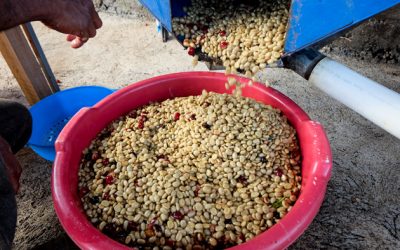
Open Door: Costa Rica 2018 Dates Announced
The Open Door program was developed in 2017 to allow our customers to visit our Central American office and lab in San José, Costa Rica. Most Fridays from March through May, guests have the opportunity to walk in to our office and join our Costa Rica–based green-coffee buyer, Luis (“Lucho”) Arocha and sales representative Omar Herrera, to cup coffees and hear about the development work with which we have been involved in Costa Rica. Our producing partners regularly join us for these cuppings, offering unique opportunities for calibration and real-time feedback.
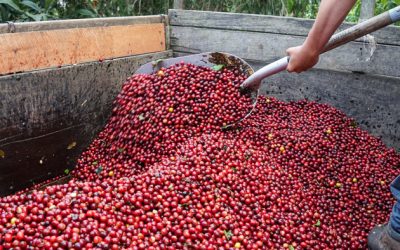
Origin Report: Costa Rica 2018
What does it mean to be “engaged” at origin? What does it mean to develop real, genuine relationships in business? What is the true impact of immersion into the culture of a coffee and the people who grow, harvest, process, and mill it? As curious coffee people, and as importers who try to be conscious of the size of our footprint in more ways than one, we ask ourselves these questions all the time.
Perhaps unsurprisingly, the answers vary from place to place, from one situation to another: Some producers operate best with little to no interaction from their buyers, while others find a more personal connection to be deeply meaningful—and everything in between.
When it comes to the producers of our microlots from Costa Rica, which is the better option—Face Time, or face-to-face time? Read more about how we strike the balance of being engaged while not being overbearing, and to create healthy, longstanding partnerships in Costa Rica, one of our cornerstone origins.
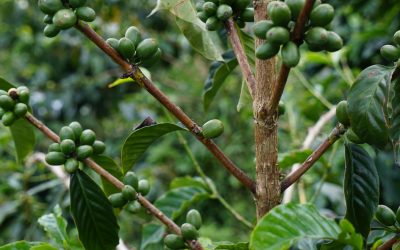
Variety: Unknown
There are still some unknowns in coffee—lots, actually—but this one in particular has us pretty intrigued… If you like mystery stories with a little bit of adventure and a whole lot of 90+ point cups, this might be right up your alley.
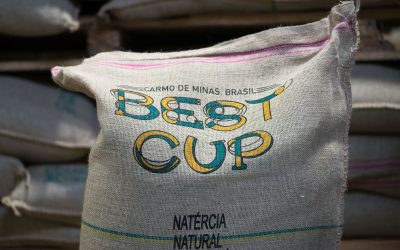
The Rest of the Best Cup
Saying “everyone’s a winner” might be a cliché in most instances, but when it comes to the fantastic but not auction-winning coffees we discover at Best Cup events, the saying is actually true—especially for our customers.
Origin Report: Ethiopia 2018
Times are changing in Ethiopia, and coffee is changing, too: This year marks a lot of transitions both for the farmers and exporters of the world’s oldest coffee-growing country, as well as for Cafe Imports’ presence on the ground there.
One theme seems to stand out for us as we dive into the 2018 harvest in Yirgacheffe, Guji, and Sidama, and that is a look at the past is sometimes the best way to push forward into the future.
Our favorite Instagram tags of 2017
We’re in coffee for the coffee, of course, but maybe even more so, we’re in coffee for the coffee people. Maybe our favorite day of the year is the one where we look back at all the @cafeimports tagged Instagram photos that our friends, customers, producing and export...
Progress Report: Development 2017
When we think about Development here at Cafe Imports, we mean more than simply better coffee, but also better systems—that includes the contributions we make on the ground and in the field, the collaborations we undertake at the farm and mill level, and the work we do to improve our daily lives and operations in our offices and warehouses.
With the end of the year right around the corner, we are proud to share our annual progress report on Café Imports commitment to Development, which not only offers some insight into what we have been working on over the last 12 months, but also what we look forward to in 2018.
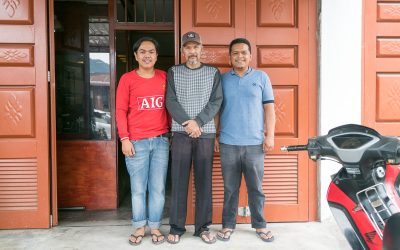
Traceable Sumatra: Bergandal Mill
Sumatran coffees are already different from coffees anywhere else in the world, and Sakdan Abdul Wahab (pictured in the hat) represents something even more different: Truly traceable coffees from a microregion within the Gayo Highlands.
You're Invited: Resource 2018
It’s a new year, a new crop, and a whole new selection of opportunities to shrink the distance between your roaster’s hopper and coffee’s source. We at Cafe Imports would like nothing more than to have you join us on our travels into the field (literally) as we seek, study, cup, and source the world’s finest specialty coffees. Throughout the year, we gladly invite our roaster partners along on visits to the producers, mills, and exporters with whom we work year in and year out, to develop personal connections and long-standing relationships, and, of course, to bring home the most delicious coffees we can find.
Origin Report Roundup 2017
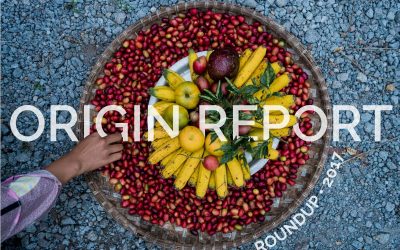
The Earth made another trip around the sun, and we at Cafe Imports made another trip around the world—visiting partners, sourcing lots, making introductions, managing logistics, and rounding out another year of bringing you the finest specialty coffees. As we get ready to stow our passports for a little holiday break, and before we jet off into the next adventure, we’d like to take a moment to wrap up our year at origin as well as offer a glimpse of what’s to come.
Chalate 2017 – The Project
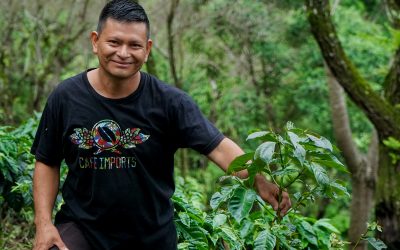
“Project” is a perfect homonym, because it not only captures the work and careful planning that goes into a task at hand, but it also expresses forward motion, forecasting, prediction—the future. Read more about the present work and future prospects of our Pequeños microlot program in Chalatenango, El Salvador.
Origin Report: Peru 2017
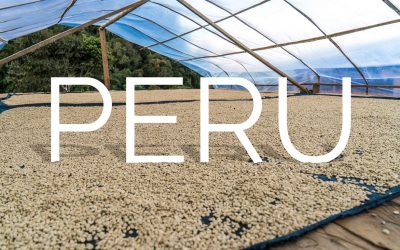
We’ve been getting to know—and falling more and more in love with—Peru for years, and the rest of the world is starting to discover the quality and character in these wonderful coffees.