
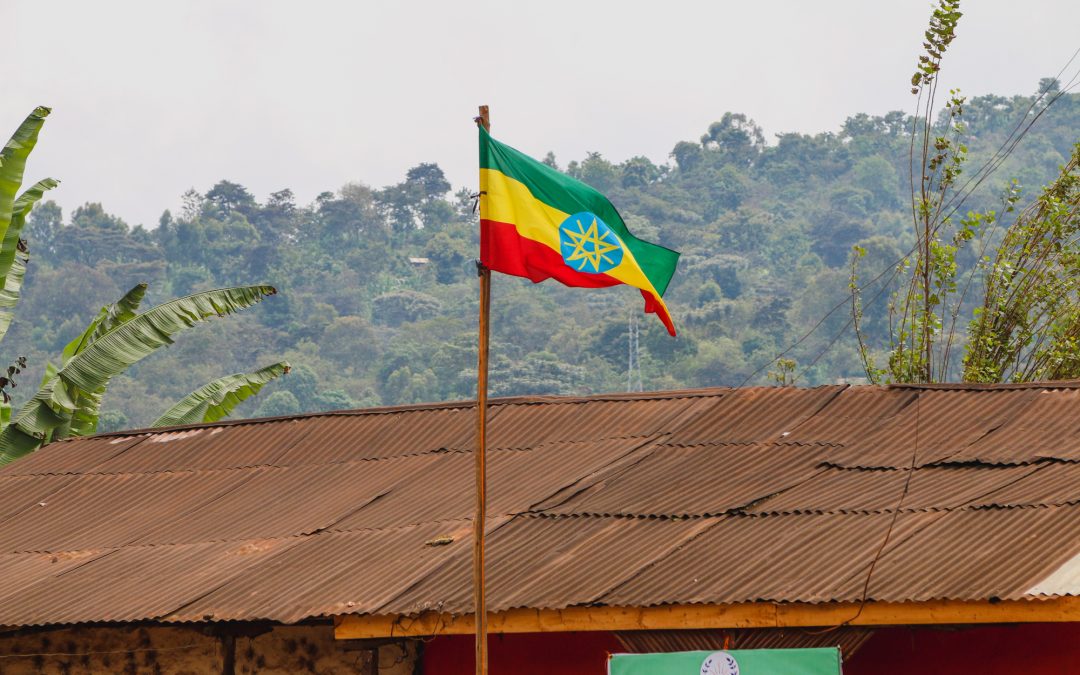
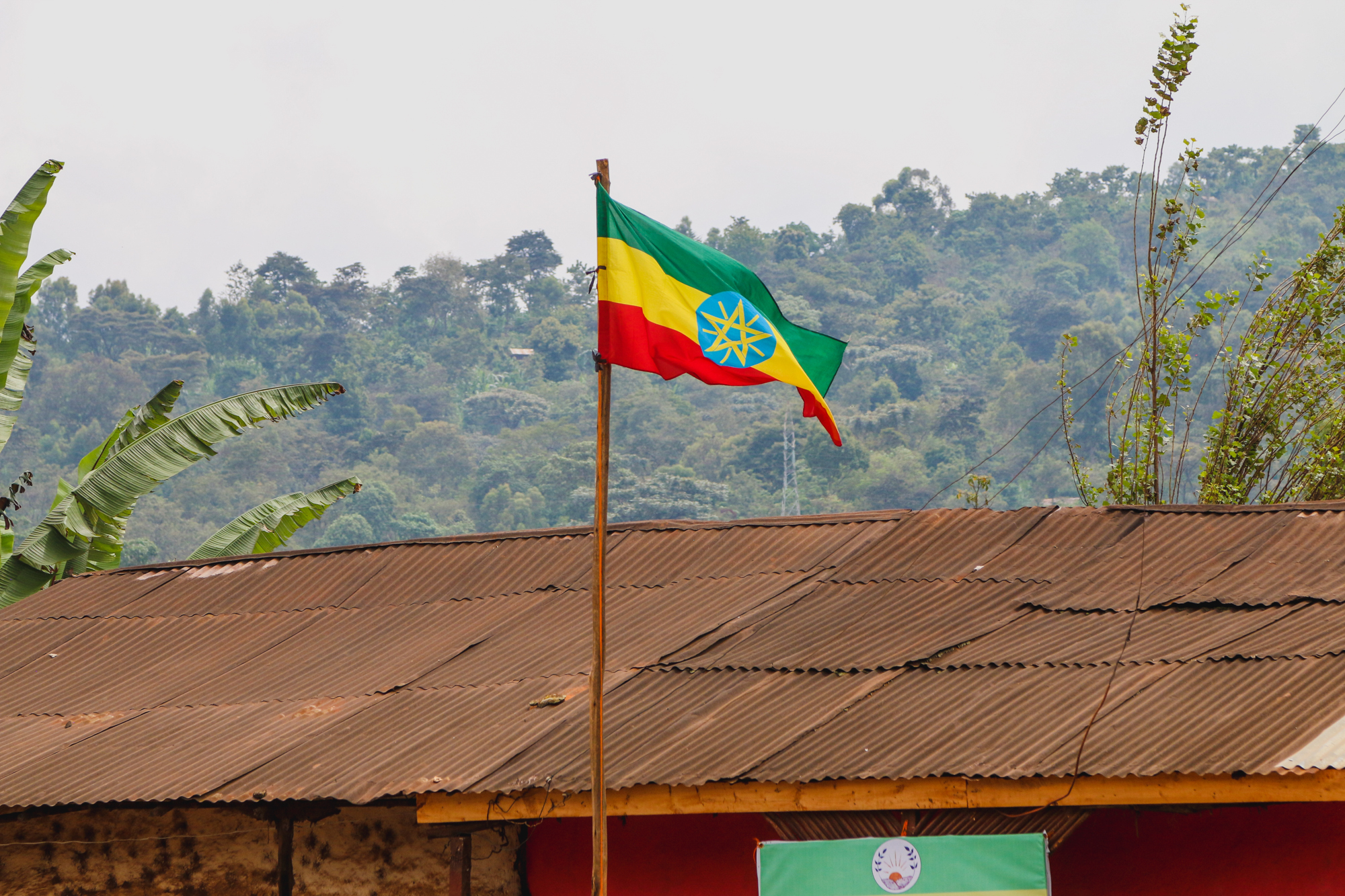
About 4 years ago we noticed . . .an international mystery
Around four years ago, we noticed that new Ethiopian coffee exporters were springing up left and right. We would get four to five new emails a week from some new exporting company, often with Industrial blah blah blah as part of their corporate name. We guess competition is a good thing, but it seemed a bit strange – so many new companies so quickly. As we all know, specialty coffee is a pretty small community. Who were these new companies? Another thing is that many of these companies were offering coffee at what seemed near or below the cost of production, which was also strange! Why would new companies come in with no background in coffee and sell at or below cost? That was the mystery.
Ethiopian coffee has always been our favorite, but there has always been a weird reshuffle of the business every few years, usually due to a governmental change triggered by something behind the scenes. We wanted to figure out what was going on this time.
One of the first things to consider is the foreign exchange market. Most international trade is either in U.S. Dollars or European Euros. If you are a small country and need to buy a barrel of oil, you must pay in U.S. Dollars. If you want to import some high-precision equipment from Germany, you have to pay in Euros. Effectively, countries must sell their local currency first, buy foreign currency, and then buy the product they want. If you have a currency people want or can use, then great, no problem. But what if you have a currency that no one really needs other than the locals, like the Ethiopia Birr? Well, you might face a shortage of foreign exchange.
Now, suppose that you are a local company in one of these countries and you want to build a new building, and you need to buy cranes and construction equipment, and you can only pay for this shiny new stuff with U.S. Dollars or Euros? Let’s say you can make a 40% return on building tall new buildings, but you don’t have any Dollars or Euros. What can you do?
This is an issue that Ethiopia faces. Ethiopia needs foreign exchange to buy jet fuel for Ethiopian Airlines (one of my favs for Africa), or the government wants USD for petrol purchases. Obviously, Dollars and Euros are in demand. The country and its businesses want them, but there’s a shortage. This is why all foreign exchange transactions go through the Central Bank of Ethiopia. This is a fairly common practice for countries with a shorter supply of foreign exchange.
Okay, whew, enough FX and economics, and back to the mystery!
So, why would all these new coffee exporting companies that don’t look like coffee companies come into coffee? Why sell at a 5% loss? But hey, if they’re making a 40% return on the sinks they import, they’re netting 35%. Guess that makes sense, doesn’t it? So where is the link here? The link is that around four years ago, the Ethiopian government wanted to get more foreign exchange, and they did that through export licenses. Ethiopian companies would export something and be paid in USD. 70% of those dollars would be kept by the exporter while 30% of the dollars went to the Central Bank, paid back to the exporter in Birr. Essentially, companies would export coffee at a lower price, and the Government would get more foreign exchange, effectively creating an artificial demand for coffee (and other products) to draw in U.S. Dollars.
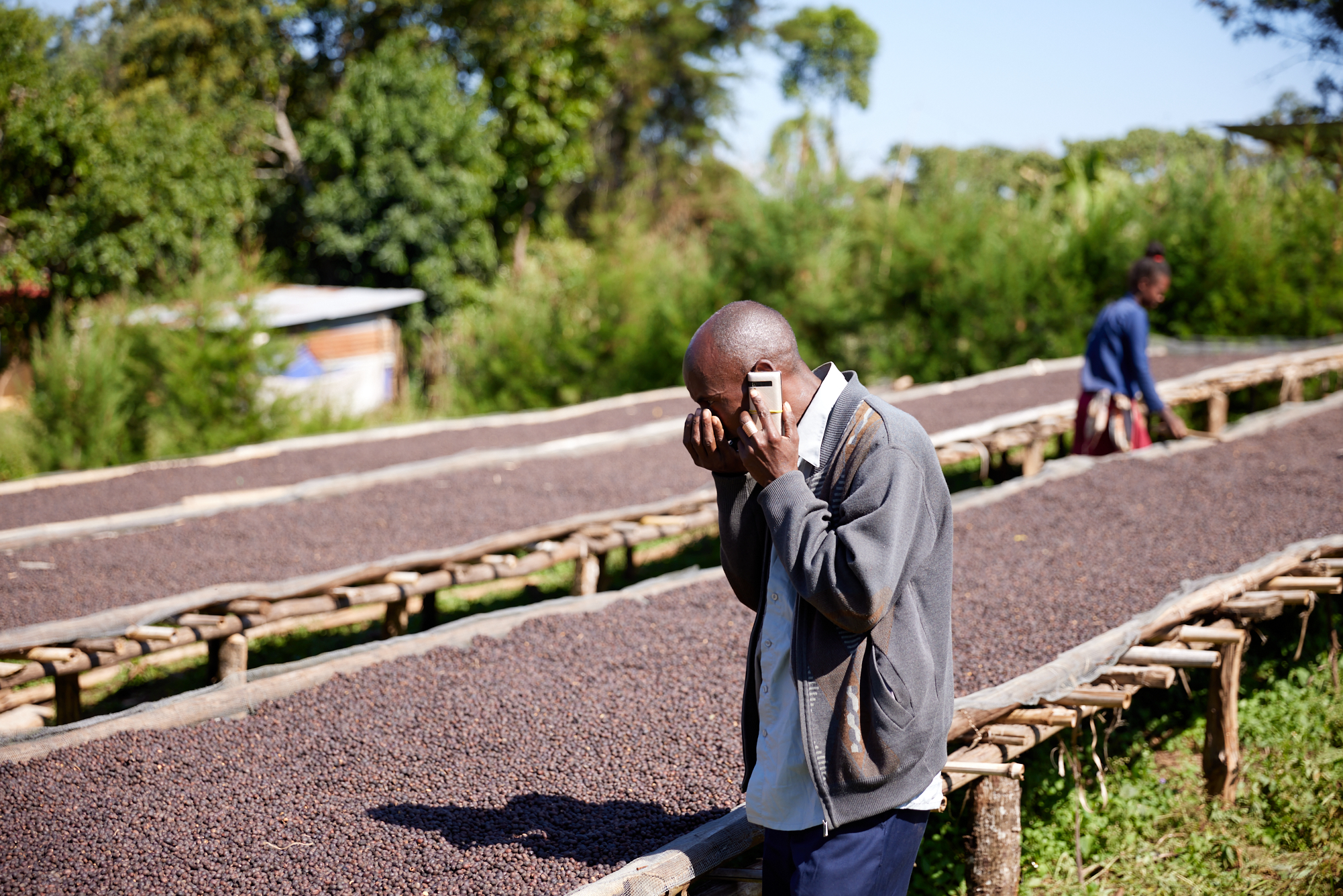
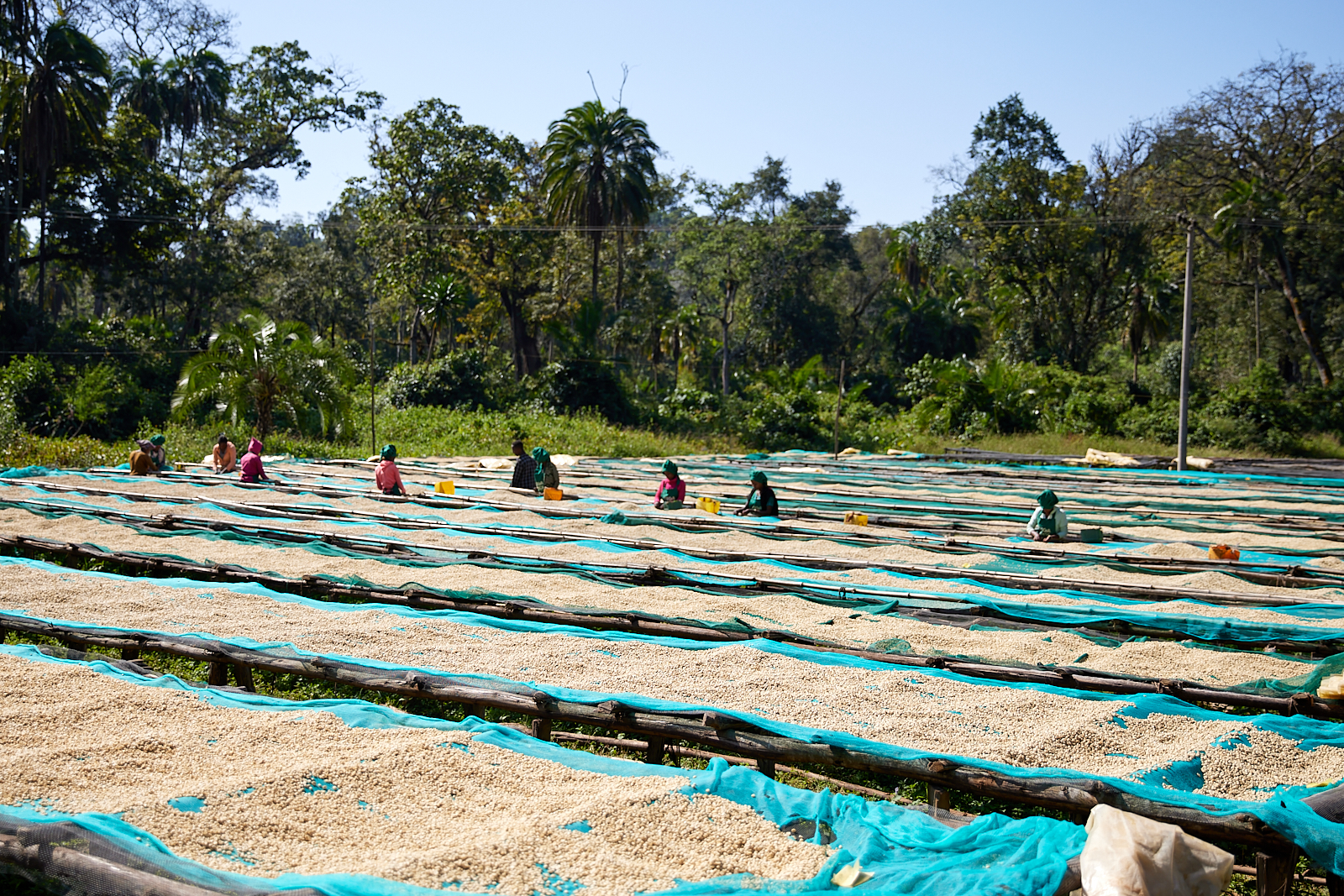
Flash forward four years to 2023. Ethiopia is now facing record-high global inflation (28.57%) and food inflation (33.8%) aggravated by the war against Ukraine. There is a three-year-long civil war in northern Ethiopia that has forced the Ethiopian government to spend foreign exchange while receiving less foreign aid, along with a drop in tourism dollar inflow due to COVID and the war. All of this adds to the already massive shortage of U.S. Dollars. What’s the government to do? They recently changed the previously mentioned 70/30 split for export dollars to 30/70 for the government, making USD even more in demand by Ethiopian businesses.
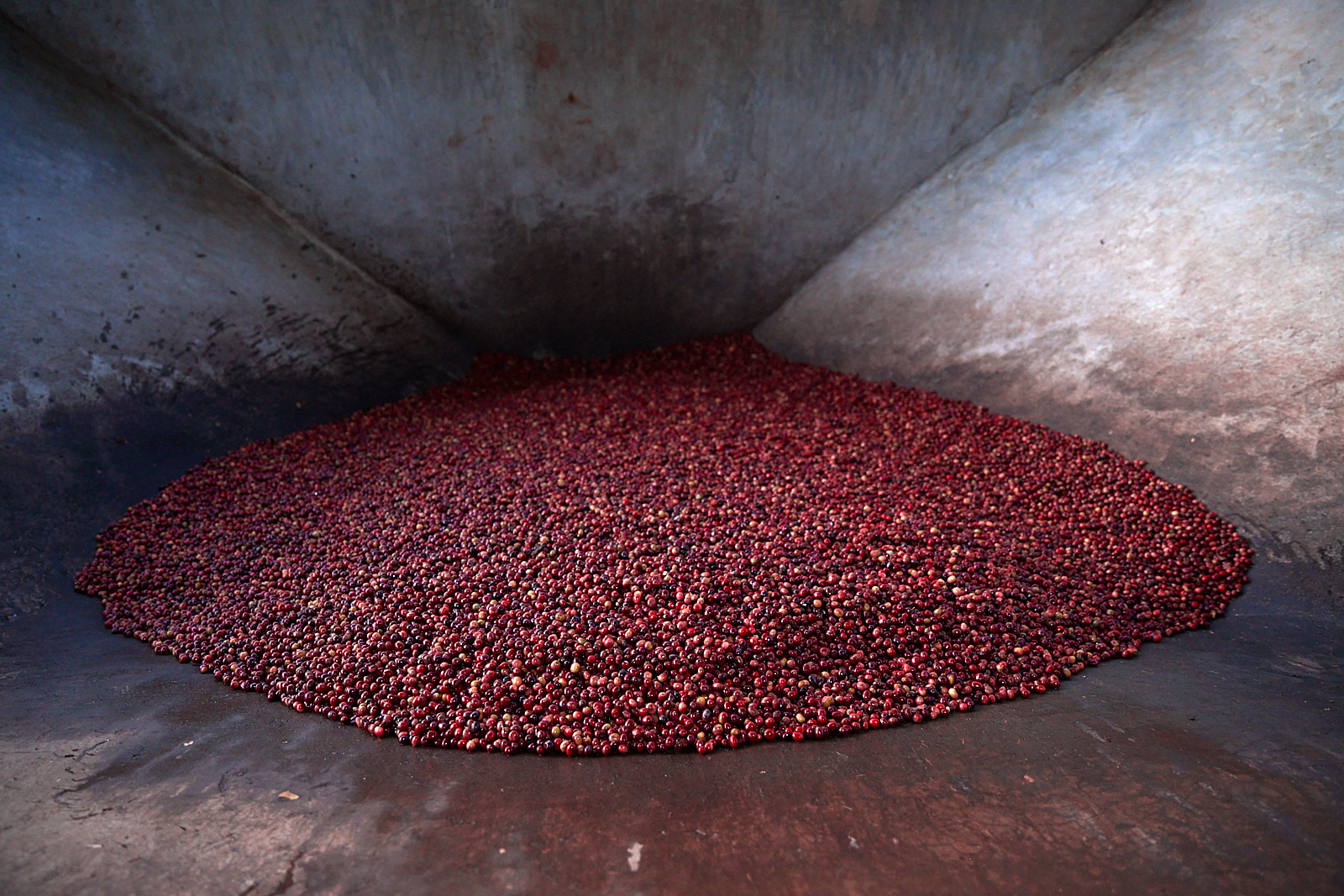
The artificial demand for coffee to raise USD, the lower split of USD between exporter and government, and the rising cost of living has driven up prices for coffee to around 75-80 birr/kg of cherry compared to last year’s 30-50 birr/kg. (This artificial demand for coffee to raise U.S. Dollars has driven up prices for coffee to around 75-80 birr/kg of cherry)
So what? Farmers who have been underpaid forever are getting more money! Great! Success!
This artificial demand is actually creating prices that are getting to unstable levels. The current prices paid for cherry are currently 75- 80 birr/kg (compared to 16-30 birr/kg in 2021). This pricing sets the break-even export cost of the coffee to be above 5 USD/lbs FOB. What will happen if the world demand for coffee drops at these prices? Exporters will go bankrupt, and, in the end, farmers won’t have a sustainable business.
What can be done about this? Hopefully, the war settles down, of course, and foreign investment is revitalized, giving Ethiopia a source of foreign exchange. Additionally, setting some type of limit on exporting licenses for non-coffee businesses might help here, too.
In the meantime, prices for Ethiopian coffee are going to be higher this year than they were last year.
Either way, we’re continuing to cup and buy the best Ethiopian coffees we can find with our trusted partners, and hope that you continue to buy and roast the same!
Jason Long
CEO, SVP of Sourcing, Partner
Earlier Posts

Our Favorite Tagged Instagram Photos of 2016
Once again, we are so grateful for these tagged photos that we have compiled a list of our favorites from this year and wanted to share them back for the whole world to see! Here are our top ten favorite tagged Instagram photos from 2016 in no particular order:...

Women Coffee Producers Program
In an attempt to recognize and promote the work that women do in growing and producing coffees around the world, we have developed and hope to expand a program that empowers women along the global coffee supply chain by creating equity, empowerment, and access to a...

Happily announcing our Non-GMO Project Verification
Café Imports is proud to say that our coffees are now certified under the GMO verify project to be a non-GMO food. Like the Non GMO Project, we believe “That the integrity of our diverse genetic inheritance is essential to human and environmental health and...

Standardization, Automations, and This Thing I Did With Water
As you may know, Cafe Imports now has sales offices in the US, Berlin, and Melbourne. One of the distinct challenges posed by this growth is that of maintaining consistency. So much of what we do is based on what we taste. Even if we’re tasting in the same way,...

Peru Regional Select
A first arrival of the 2016 Peruvian harvest landed this week after great anticipation. Café Imports green buyer Piero Cristiani has been working relentlessly with Peru in recent years, visiting several times per harvest–strengthening relationships, focusing...

ANNOUNCING: The Legendary Cupping Tour – Carolinas!
ANNOUNCING: The Legendary Cupping Tour – CarolinasThis June 28th – July 1st Café Imports is heading down to the Carolinas to taste some of our favorite fresh-crop coffees with you. RSVP: sales@cafeimports.com Tuesday, June 28th @ 2:00 PM: Charleston, SC...

The 2016 Legendary Coffee Producer Tour Lineup
Café Imports is committed to supporting the baristas who are at the front lines of our industry–the people who shake hands with customers and humbly serve a beautiful product which so many people worked so hard to prepare. After recent changes to the SCAA...

A 2015 Visual CI Retrospective
Well, wouldn’t you know: It’s that time of year where America’s favorite VJ, Carson Daly, throws on the leather gloves & ear muffs to guide us through the cosmos in NYC’s Time Square. Cosmos, you ask? Well, that would be referring to our...

Our favorite tagged photos of 2015
The interconnectivety social media has granted modern day coffee creatives absolutely flabbergasts us. We are delighted on a daily basis to open up our instagram and discover ourselves tagged in photos, making us proclaim things like: “Zaaaam, that coffee made...

The Legendary Coffee Producer Tour
In 2010, we approached the SCAA with a proposal to bring the U.S. regional champion baristas to visit a coffee-producing country. This was a new idea–connecting some of the most passionate coffee professionals with the producers who grow the thing they work with...

Origin Report: Ecuador 2015
Nestled between two coffee giants, Colombia and Peru, Ecuador is a small country with a lot of coffee potential: Fantastic elevation, good varieties, and lush farmland should put this Equator-straddling South American nation at the top of everyone’s origin...
CESMACH Women Producers
In 2011, Café Imports green buyer Piero Cristiani was sourcing in Mexico with our producer partners at CESMACH and saw that there were a considerable number of women producers dropping coffee off for processing. On the heels of our women’s producer program in...