

Bringing two top-scoring lots from ECIEV Venezuelan producer competition to the States!
Piero Arrives in Venezuela for EICEV 2023
Piero Cristiani, Cafe Imports’ green buyer for nine (yes, nine!) countries, traveled to Caracas, Venezuela, on July 11 to attend the second annual EICEV 2023 expo, competition, and auction. The event was held at Ciculo Militar El Laguito Park and lasted the entire week. One look at the @eicev23 Instagram account, and you’ll feel the bustling atmosphere of the international event. It was so busy, in fact, that it was extended a couple of days to get everyone through the doors. Nearly 200 booths, plenty of pop-up restaurants and food trucks, designated education areas, music, parties, and speakers all surrounded the anticipated competition. Like our Best Cup Competitions or the Cup of Excellence, producers submit lots to be cupped through multiple rounds, narrowing the field for the final day’s auction.
The Cupping and the Competition
186 lots were submitted for pre-selection to EICEV, where coffees whose “tasting score is equal to or greater than 84.00 points” would advance. 85 lots qualified for the second “National Cupping” round held on Monday, June 12. To advance from this round to finals, coffees must score 85.00 points or more. 48 coffees made the cut, marking a ~69% increase over last year’s 15 qualifying lots. For Café de Venezuela, this is an encouraging metric – the competition is gaining traction. That brings us to the final round – the “International Round” held on June 15. Certified tasters from 15 countries judged, including Piero, who spent the day tasting and scoring each lot, identifying the top 15 coffees that would be auctioned the following day.
At the auction, Piero sat on the front row bidder’s panel alongside other international and domestic cuppers, green buyers, and roasters. The auctioneer and producer would stand on the stage before him, backdropped by a screen displaying their coffee’s information. Behind Piero, the auction hall was overflowing with attendees. The crowd got louder as the bids went higher, and every sale was met with uproarious celebration.
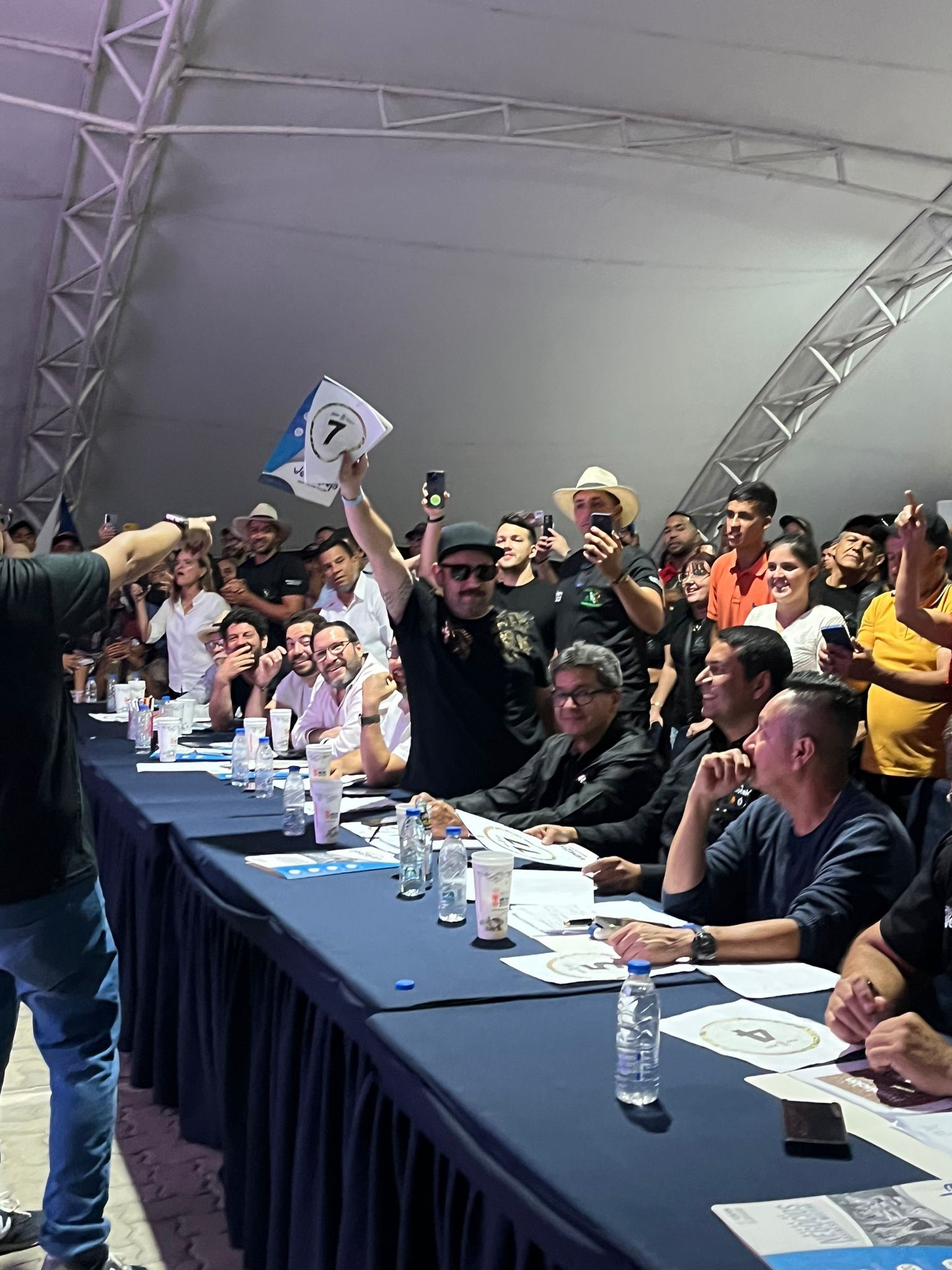
Piero with the winning bid for Francisco Rosales’ washed Tabi.
The Coffees
We’re delighted to announce that Piero secured two lots: the 1st place washed-category offering (3rd overall) and the 3rd place anaerobic-category coffee (5th overall). The top washed coffee was a Tabi variety, produced by Francisco José Rosales, owner of hacienda La Alejandría at 1600masl in the Boconó municipality of the Trujillo region. Piero scored this coffee at an astounding 90 points. Kelly Andrade produced a Catuai and Caturra anaerobic honey at her farm, La Curva, in the Mérida region. We’ll be importing these 100lb lots with plans to partner with a roaster and sell them, donating the proceeds to a local charity or development organization in Venezuela.
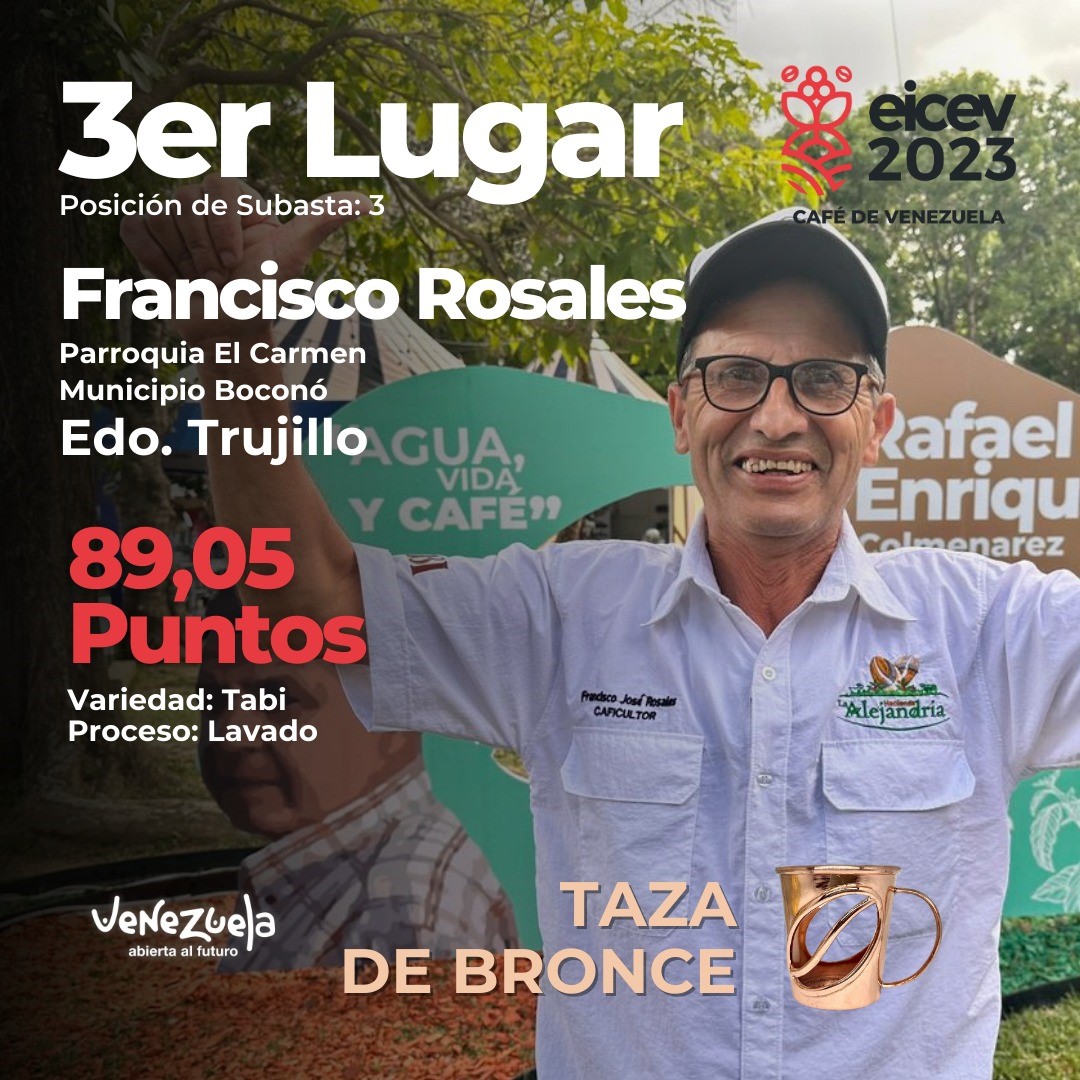

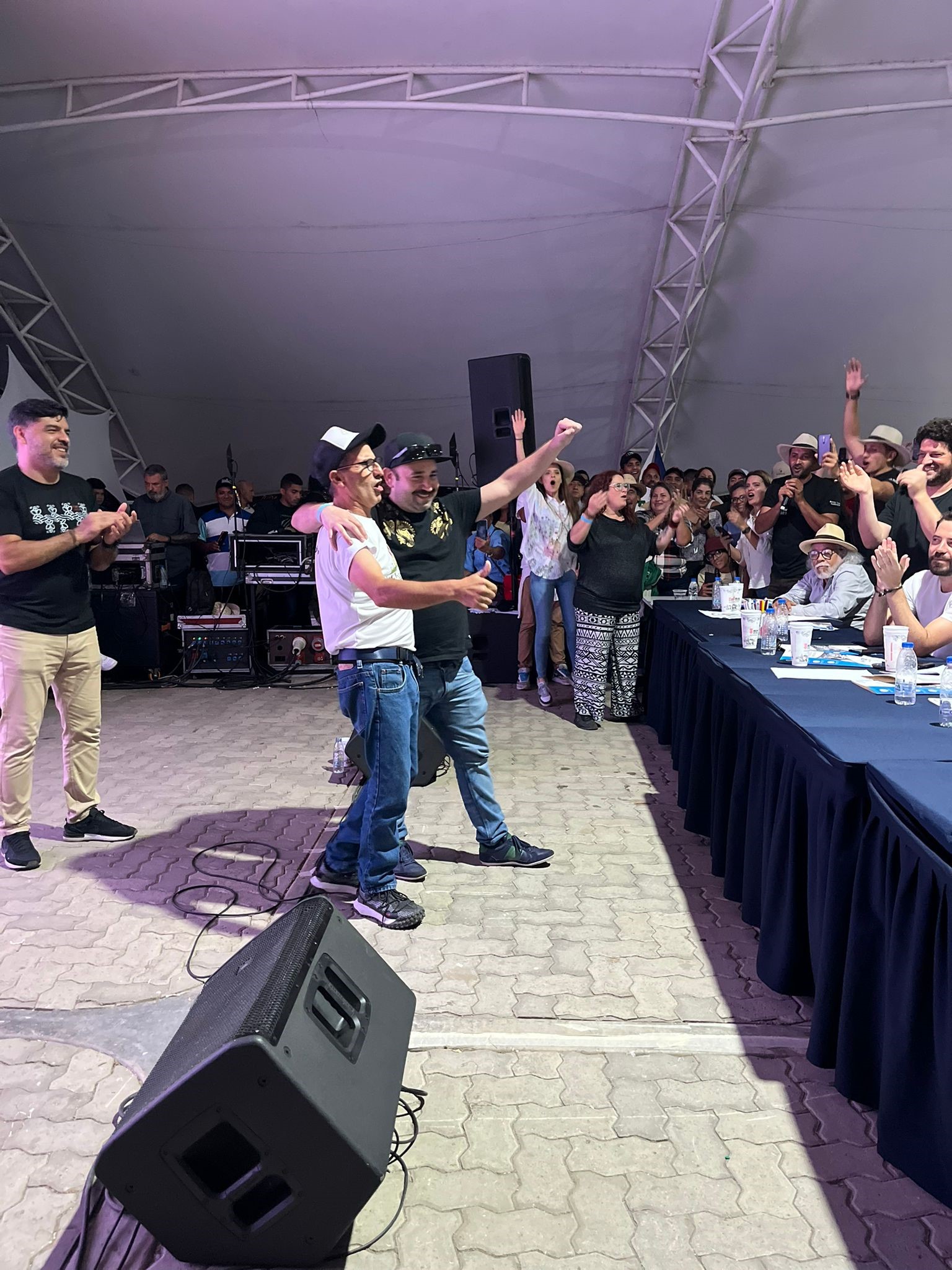
Francisco Rosales’ 3rd Place announcement (left) and the top 3 finalists (right)
Photo Credit: EICEV
The Future of Café Imports and Venezuelan Specialty
Venezuela has been an area of interest for Café Imports over the last five years. We’ve sampled coffees, met producers, and sought our chance to visit. Before EICEV, Piero was in touch with one of our producer friends in Venezuela to discuss this year’s harvest, and he invited Piero to the competition. We were honored to attend, judge, bid, and ultimately see what Venezuela offers the industry.
This country has had little exposure to specialty coffee drinkers due to recent hardships. Venezuela has been called a petrostate, facing economic collapse, unstable political autocracy, staggering inflation, and high migration numbers over the last decade. As for the coffee sector, two factors have kept exports low. First, President Hugo Chavez enacted policies in 2003 that fixed price limits on coffee to control inflation. Unfortunately, producers couldn’t profit from their crops with these policies, drastically reducing production. Since then, these limits have loosened, but Venezuela is still recovering. Second, due to Italian cultural influence, Venezuela has a strong internal consumption market and a preference for espresso. Italian immigrants accounted for a quarter of Venezuela’s population in the ‘80s, and approximately 16% of Venezuelans have some Italian ancestry today. Regardless, we attended a competition that clearly put the country’s best producers center stage, and we will be returning to Venezuela seeking more coffee.
Leading up to the event, Gabriel Gonzalez, EICEV Foundation president, told VTV (Venezolana de Televisión):
“Venezuela has 65,000 coffee producers, spread over its 20 states, with a total of 133 coffee-growing municipalities, who give their best day by day, to produce an important item for Venezuelans and the world, who will proudly represent us in the [EICEV]”.
We believe this was achieved. Last year, we introduced two new countries to our offerings list, and we’re excited to see Venezuela join those ranks. Piero is set to return to Venezuela next harvest, meet more producers, and source in volume. “[Venezuela] can produce great coffee like its neighbors, Colombia and Peru, as it has high altitude and great varieties,” he told Daily Coffee News. As he saw at EICEV 2023, it also has the producers.
Earlier Posts
Harvest Report: Costa Rica 2020 and the Choices Producers Make
When we look at a beautiful harvest, or when we taste a brilliant cup, we tend to want to romanticize it: We imagine rolling hills and bright blue skies, the smell of fresh coffee blossoms, the sway of the shade trees. What we don’t think of are the countless steps that the producer went through to create that dreamy flavor experience, and the dozens of decisions that have to be made before, during, and at the end of the season in order to sustain or even improve the final product.
A Coffee-Producing Legend Goes Truly Seed-To-Cup with a New Café
We always say that Arnulfo Leguizamo is the ultimate cafetero role model: He’s not only a producer of some of the finest specialty coffees we’ve tasted from Huila, Colombia, but he’s also a community leader, innovator, and problem-solver, always looking for a way to improve or expand the ways he shares his coffee with others.
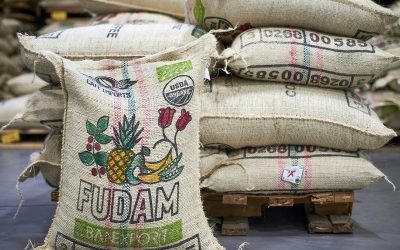
Growing a Movement with FUDAM – Nariño, Colombia
What does it take to grow a movement? For the association FUDAM (Fundación Agraria y Ambiental Para el Desarrollo Sostentible) in Nariño, Colombia, it takes a lot of passion, community, commitment, and forward thinking. Of course, great coffee helps, too—and FUDAM has got great coffee in abundance.
A Year-End Reflection on Our Harvest Reports: What Do You Want to Read in 2020?
We’re not only coffee nerds, but we’re also a company comprised of passionate world travelers and people who love people: Your friends at Cafe Imports tend to be curious, eager to learn, and dedicated to sharing what we know and what we do with other coffee people around the world—from farmers to roasters to everyday people who just happen to love a great shot of espresso. Our Harvest Reports are one way that we try to give our customers (and your customers) a behind-the-scenes look at the year’s coffee sources, and as this year closes we’d like to reflect on the reports and learn how we can make them better.
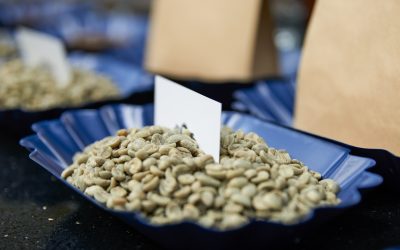
How Coffee Makes the “Grade,” and What Green-Coffee Grades Mean to You
AA, AB, PB, AX, SHB, SHG, EP, DP—scanning a list of green coffees can look like a Scrabble board gone horribly awry, but these letters really represent information that can be very useful for a coffee roaster: They are the “grade” of the coffee.
Harvest Report: Peru 2019
While Brazil has its famous efficiency and large volumes, and Colombia has its highly effective coffee-sector infrastructure, Perú is smaller, scrappier, and still just a little bit under the radar—but not for long.
A Closer Look at the Farm Select Program
Earlier this month (October 2019) we announced the establishment of a collaborative project between Cafe Imports and our export partners Banexport in Colombia, called Farm Select, an initiative designed to directly address the coffee-price crisis by creating a new sourcing pathway that not only gives producers more support, stability, and sustainable income, but also allows roasters to make direct impact through their purchases by developing real relationships and long-term contracts that show investment into the future of coffee and coffee farming.
Harvest Report: Tanzania 2019
Every green-coffee buyer and every coffee traveler has their own reasons for the places that feel particularly special to them. For some it’s the thrill of a new location, for others it’s the comfort of returning somewhere comfortable and familiar. For others, it’s all about flavor. Occasionally, when you’re really lucky, it’s a combination of all three: That’s what Cafe Imports’ green-coffee buyer for Africa, Claudia Bellinzoni, gets to experience whenever she goes to Tanzania, a place where she once lived to work in coffee, and where she is constantly exploring new possibilities along with re-connecting with old friends, colleagues, and cup profiles.
“Making Coffee Work for Women” – Grounds for Empowerment Workshop: Guatemala City 2019
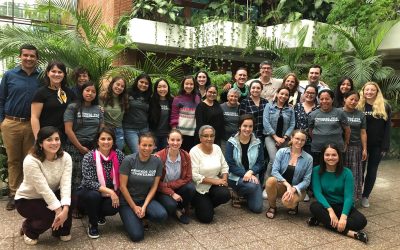
Grounds for Empowerment is a women-focused coffee think-tank out of Emory University, which links a cohort of caficultoras together with coffee-industry mentors and students studying relevant fields such as economics, accounting, human health, and mathematics. Its mission is to open access for the producers to tools and expert guidance in order to, well, empower them to build their own marketing profiles, analyze their existing financial health and sustainability, uncover their potential and discuss areas where they can increase their market advantage, and set tangible goals for the future. Here’s a round-up of the 3.5-day event.
Harvest Report: Burundi 2019
There’s no question that we’re passionate about coffee: It’s what we live and breathe every day, and it fills every conversation and every dream we have around our offices day in and day out. It’s easy to forget, however, that one of the other things we’re passionate about are the behind-the-scenes details—like documentation and shipping—that help us arrange purchase, shipment, and subsequent sale of some of the best and brightest coffees around the globe. There are some coffee-growing places that remind us more than others that we are a logistics company just about as much as we’re a high-quality-coffee company, and Burundi is one of them.
Cafe Imports and Banexport Collaborate on Farm Select Program as a Response to the Price Crisis in Colombia
The Farm Select program partnership between Cafe Imports and Banexport in Colombia offers roasters a real and tangible way to combat the coffee-price crisis by sourcing fantastic, sustainable, and investment-centric coffees.
Storing Your Green Coffee: Best Practices
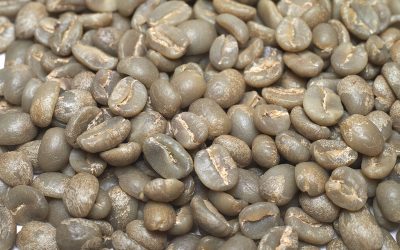
If you’re wondering what the ideal conditions are for storing your green, we’ve got a long answer and a short answer for you. The short answer, according to Cafe Imports’ sensory analysis director Ian Fretheim, is, “Cool and dry. That’s really it.”
Of course, there’s never just a short answer. Read on to find out about some specific conditions and containers that might help you preserve the quality and longevity of your favorite lots.