

Highlighting Carlos Guerra: Legendary Coffee Exchange Participant
Enjoy our interview with Roaster and Honduras Barista Champion Carlos Guerra, who won an Ikawa Pro 50 through the Legendary Coffee Exchange at the 2023 SCA Expo.
The Legendary Coffee Exchange
Since 2021, we’ve been hosting the Legendary Coffee Exchange, a community-driven coffee swap with the goal of drawing human connections across the industry. Facilitated by Cafe Imports, roasters worldwide contribute a bag of their coffee in exchange for another roaster’s offering. Everyone will taste their new coffee and then contact its roaster to share their thoughts and feedback, but more importantly, meet another passionate coffee professional. What’s more legendary than exchanging coffees and making new friends?
This year’s Legendary Coffee Exchange occurred at the 2023 SCA Expo in Portland, Oregon. 88 roasters came by the booth to drop off their coffee and pick up a new one, and all the participants were entered into a drawing for an Ikawa Pro50 Sample Roaster (a special thank you to Ikawa for partnering on this year’s exchange)!
On Sunday, the last day of the Expo, we drew the winner’s name – Karla Calidonio of IHCAFE in Honduras. We set out across the show floor to give her the news. After finding her, she told us she gave her spot to a roaster in Honduras, Carlos Guerra. She insisted that he receive the roaster, so we gave him a call to share the news.
Carlos Guerra: Coffee Roaster and Barista Champ
Carlos wasn’t at the Expo when we called him, and he sounded wonderfully surprised to be winning an Ikawa Pro50. Once he got to the Expo floor, we all got to know each other, took photos together, and packed his new Ikawa into a travel case bound for Honduras. At that time, Carlos didn’t have a sample roaster. We were touched that someone could win the Pro50 and immediately put it to good use at their home roastery.
A few weeks ago, we caught up with Carlos for a wonderful conversation. We wanted to learn more about him, and find out how the Ikawa was treating him. He’s been in coffee his entire life working with his parents on their coffee farm. Over time, the family opened a cafe in Copan Ruinas where they began roasting and serving their coffee, among other locally-produced goods. He is an exemplary ambassador of the coffee industry in Honduras, and it was a pleasure to learn more about him, his career, and his coffee.
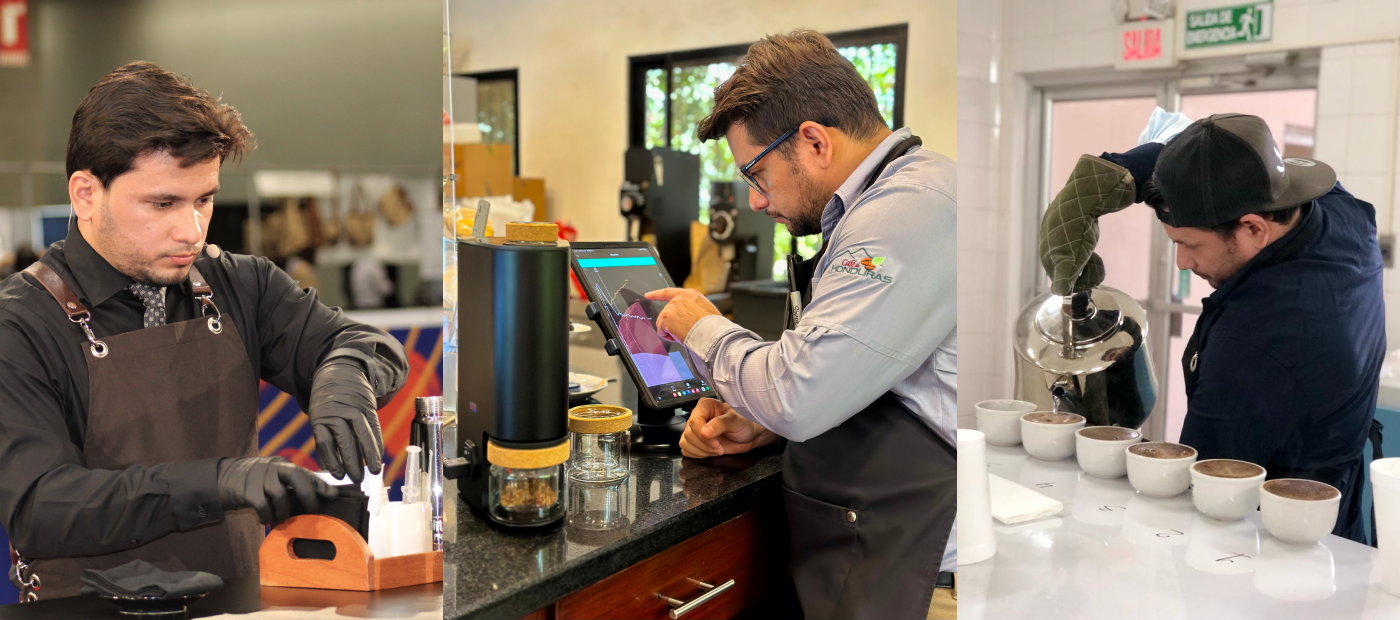
One of the greatest aspects of specialty coffee is the shared passion that connects individuals across the globe. We’ve always been honored to continue hosting the Legendary Coffee Exchange after hearing stories of new friendships that have formed. The LCE provides an opportunity to try something new and support one another. Openness to one another inspires us, grounds us, and reminds us of what drew us into this industry.
If you participated in this year’s Legendary Coffee Exchange, don’t forget to connect with your swap! We know they’d love to hear from you. Thank you again to Ikawa for partnering. Thank you to Carlos for being so gracious with his time and story. And thanks to you for watching! Keep being legendary.

Earlier Posts
How Coffee Makes the “Grade,” and What Green-Coffee Grades Mean to You
AA, AB, PB, AX, SHB, SHG, EP, DP—scanning a list of green coffees can look like a Scrabble board gone horribly awry, but these letters really represent information that can be very useful for a coffee roaster: They are the “grade” of the coffee.
Harvest Report: Peru 2019
While Brazil has its famous efficiency and large volumes, and Colombia has its highly effective coffee-sector infrastructure, Perú is smaller, scrappier, and still just a little bit under the radar—but not for long.
A Closer Look at the Farm Select Program
Earlier this month (October 2019) we announced the establishment of a collaborative project between Cafe Imports and our export partners Banexport in Colombia, called Farm Select, an initiative designed to directly address the coffee-price crisis by creating a new sourcing pathway that not only gives producers more support, stability, and sustainable income, but also allows roasters to make direct impact through their purchases by developing real relationships and long-term contracts that show investment into the future of coffee and coffee farming.
Harvest Report: Tanzania 2019
Every green-coffee buyer and every coffee traveler has their own reasons for the places that feel particularly special to them. For some it’s the thrill of a new location, for others it’s the comfort of returning somewhere comfortable and familiar. For others, it’s all about flavor. Occasionally, when you’re really lucky, it’s a combination of all three: That’s what Cafe Imports’ green-coffee buyer for Africa, Claudia Bellinzoni, gets to experience whenever she goes to Tanzania, a place where she once lived to work in coffee, and where she is constantly exploring new possibilities along with re-connecting with old friends, colleagues, and cup profiles.
“Making Coffee Work for Women” – Grounds for Empowerment Workshop: Guatemala City 2019
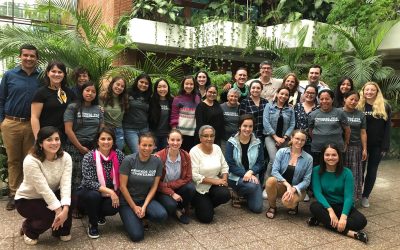
Grounds for Empowerment is a women-focused coffee think-tank out of Emory University, which links a cohort of caficultoras together with coffee-industry mentors and students studying relevant fields such as economics, accounting, human health, and mathematics. Its mission is to open access for the producers to tools and expert guidance in order to, well, empower them to build their own marketing profiles, analyze their existing financial health and sustainability, uncover their potential and discuss areas where they can increase their market advantage, and set tangible goals for the future. Here’s a round-up of the 3.5-day event.
Harvest Report: Burundi 2019
There’s no question that we’re passionate about coffee: It’s what we live and breathe every day, and it fills every conversation and every dream we have around our offices day in and day out. It’s easy to forget, however, that one of the other things we’re passionate about are the behind-the-scenes details—like documentation and shipping—that help us arrange purchase, shipment, and subsequent sale of some of the best and brightest coffees around the globe. There are some coffee-growing places that remind us more than others that we are a logistics company just about as much as we’re a high-quality-coffee company, and Burundi is one of them.
Cafe Imports and Banexport Collaborate on Farm Select Program as a Response to the Price Crisis in Colombia
The Farm Select program partnership between Cafe Imports and Banexport in Colombia offers roasters a real and tangible way to combat the coffee-price crisis by sourcing fantastic, sustainable, and investment-centric coffees.
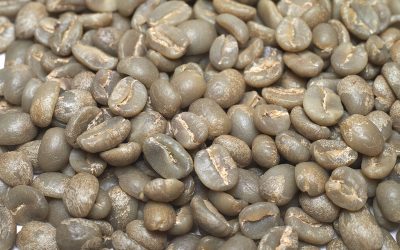
Storing Your Green Coffee: Best Practices
If you’re wondering what the ideal conditions are for storing your green, we’ve got a long answer and a short answer for you. The short answer, according to Cafe Imports’ sensory analysis director Ian Fretheim, is, “Cool and dry. That’s really it.”
Of course, there’s never just a short answer. Read on to find out about some specific conditions and containers that might help you preserve the quality and longevity of your favorite lots.
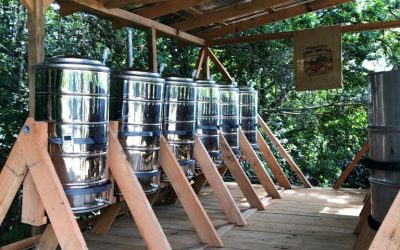
What’s “Anaerobic Fermentation” and Why Is It So Popular All of a Sudden?
Nothing stays the same in coffee for very long, and producers are always seeking new and improved ways to differentiate themselves, moderate their coffee’s flavor profiles, and offer exciting and interesting flavors to roasters and consumers all over the world. Sometimes a little experimentation and ingenuity can go a long way without having to re-invent the wheel, which is why we’re interested in the increasing popularity of anaerobic-environment fermentation.
Harvest + Trip Report: Ecuador 2019
Ecuador is not typically the first place that comes to mind for fans of specialty coffee, but it’s not because the country lacks great cups: Some of our favorite South American coffees come from the misty mountains of Pichincha in the north and the biodiverse province of Loja in the south. Ecuador’s border neighbors of Colombia and Peru tend to outshine it in terms of annual yield and recognition, but every year the country’s reputation for quality, clarity, and personality inspires more and more specialty-coffee hunters to look to the farmers here for new profiles, captivating stories, and strong potential for growth.
Oxcart Coffee, Season 1: ¡Gracias Por Visitarnos!
The Oxcart Coffee – Cafe Imports Latin America office officially opened in San José, Costa Rica earlier this year, before the busiest part of the harvest season in that producing country. It was intended as a full-service export-import office where our green-coffee sourcing team in Costa Rica (green-coffee buyer Luis Arocha and green-buyer’s associate Francine Ramirez, along with Adriana Abarca in logistics and Eduardo Ramirez in sensory analysis) could receive, catalog, roast, cup offer samples, and contract and pay for coffees from the local producers with whom we’ve been working the past many years—but it very quickly became much more than that.
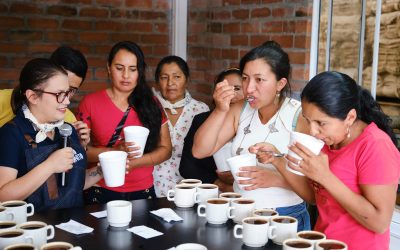
Women Coffee Producers Trip 2019
For the past two years, we have hosted a Resource trip to visit some of the associations who participate in our Women Coffee Producers program, a coffee-sourcing project through which we buy coffee from co-ops comprised entirely of women, or subgroups of women who are members of coed associations.
The coffees we buy from WCP participating women are given a gender-equity premium on top of their quality premium, as a way of attempting to bridge the pay and recognition gap that exists in most coffee-growing countries. Just a few weeks ago, our WCP trip went to Cauca, Colombia to visit AMACA and ASMUCAFE, and the experience was unforgettable for everyone. Click below to read a blog about the trip, featuring reflections from Cafe Imports staff as well as a few of the strong women roasters who came along.