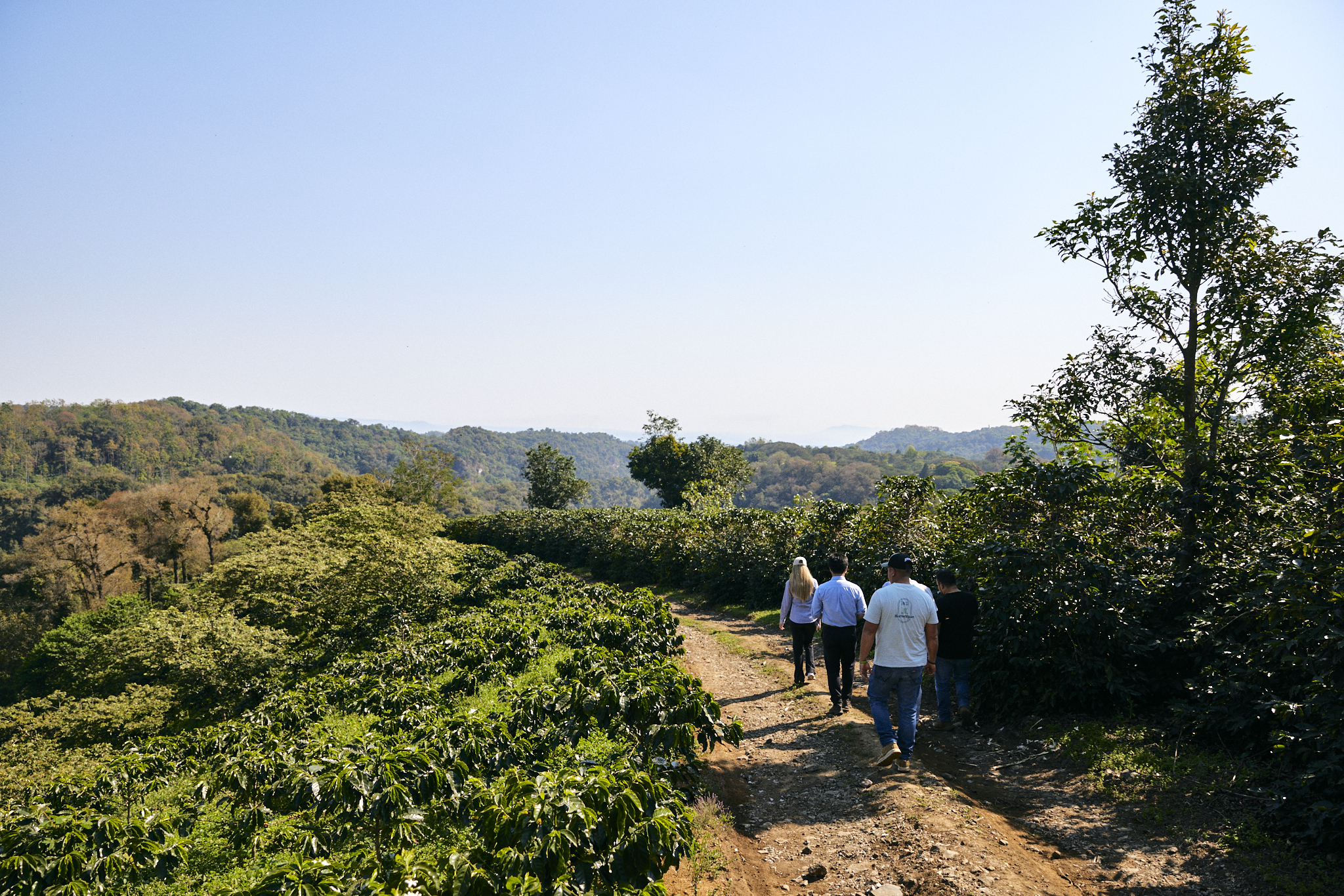
Mexico Deep Dive

This expansion of quality beyond traditional strongholds is breathing new life into Mexican coffee and offering more diverse profiles to explore.
Supporting Mexican coffee now means supporting a supply chain that’s actively investing in its future. From farm renovations to quality experimentation, producers are betting big on specialty.

World of Coffee Program!

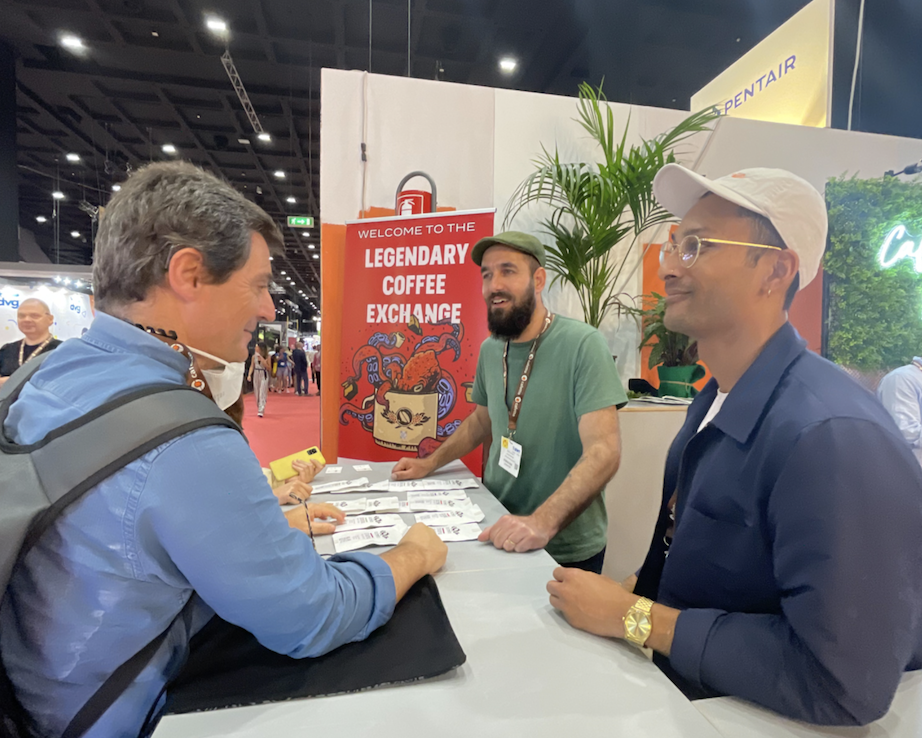
We’re heading to World of Coffee Geneva!
Catch the Cafe Imports Europe team at Palexpo from June 27th–29th for this year’s World of Coffee. You’ll find us on the show floor, cupping tables, and around town at a few special events we’re hosting throughout the week.

Pink…Bourbon?: Cryptozoology and Genetics in Specialty Coffee

One area that has been rightly ripping, in particular relative to historical norms, has been the introduction, interest in, and acceptance of new coffee varieties. When Castillo was introduced many people wanted to turn their noses up at it. In our lab, we were more accepting, as the results on the cupping table were impossible to deny. We regularly found it to perform well against Caturra, Typica, and the many other varieties that we blinded it against. When it won the Cup of Excellence, people were somehow shocked, going so far as to disbelieve the results.

And then, seemingly overnight, Castillos were broadly accepted. What happened?

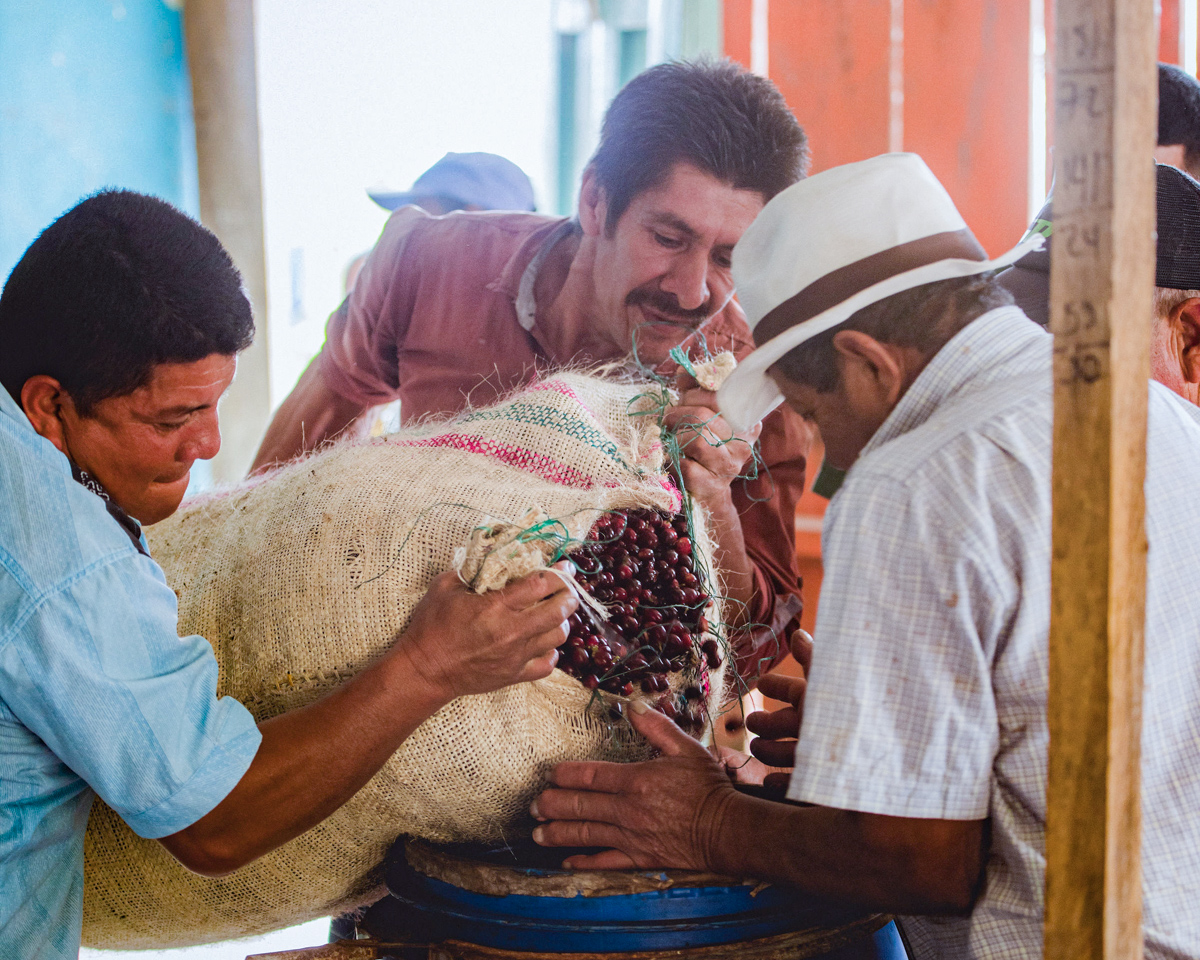
The Race for Fresh Crop by Jason Long

Is Fresh and Fast Good?
Fresh is good – freshly baked bread or freshly roasted coffee.
Fast can be good, too. Coffee hanging out in port towns like Dar, Tanzania, when it’s 99ᵒF (37ᵒC) and 99% humidity for extended periods is not ideal. In coffee, though, fresh and fast together aren’t always good. There is a strange race nowadays for new crop coffees where offerings may arrive before they should even be shipped.

About 4 years ago we noticed . . .an international mystery

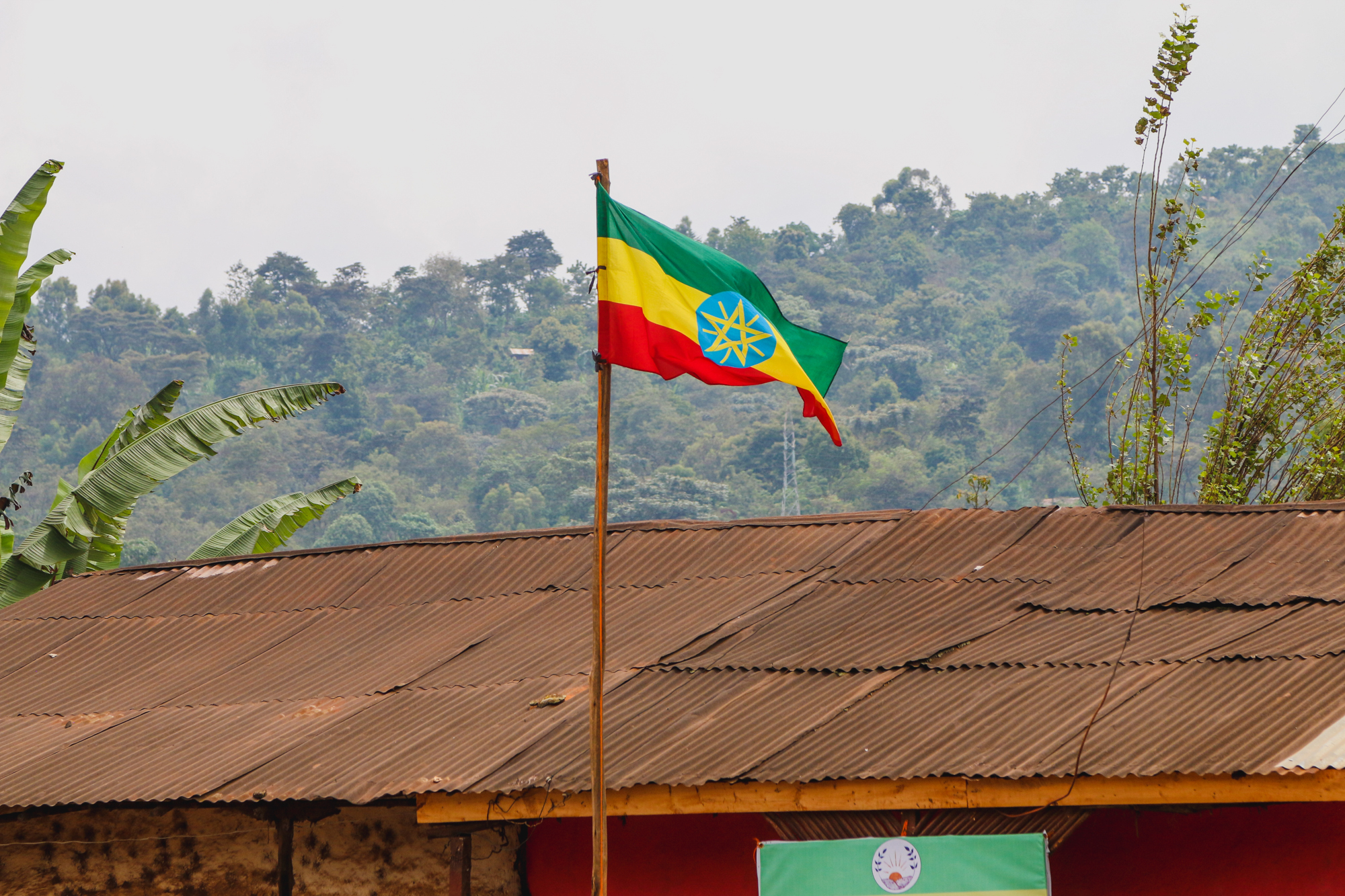
Ethiopian coffee has always been our favorite, but there has always been a weird reshuffle of the business every few years, usually due to a governmental change triggered by something behind the scenes. We wanted to figure out what was going on this time.

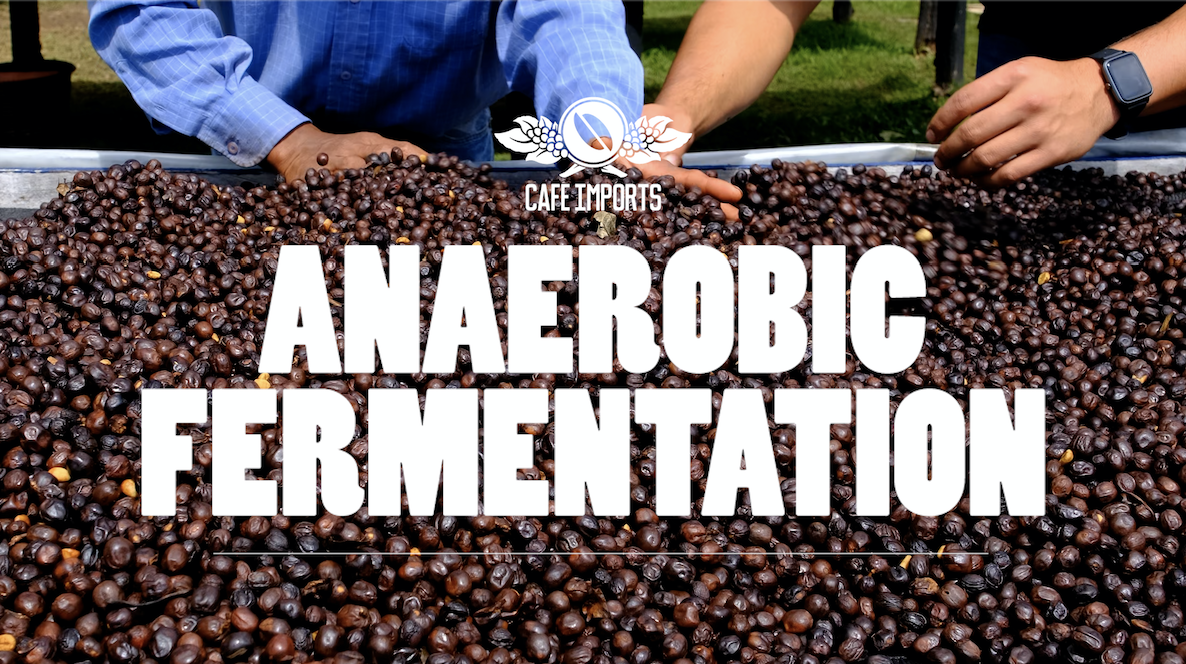
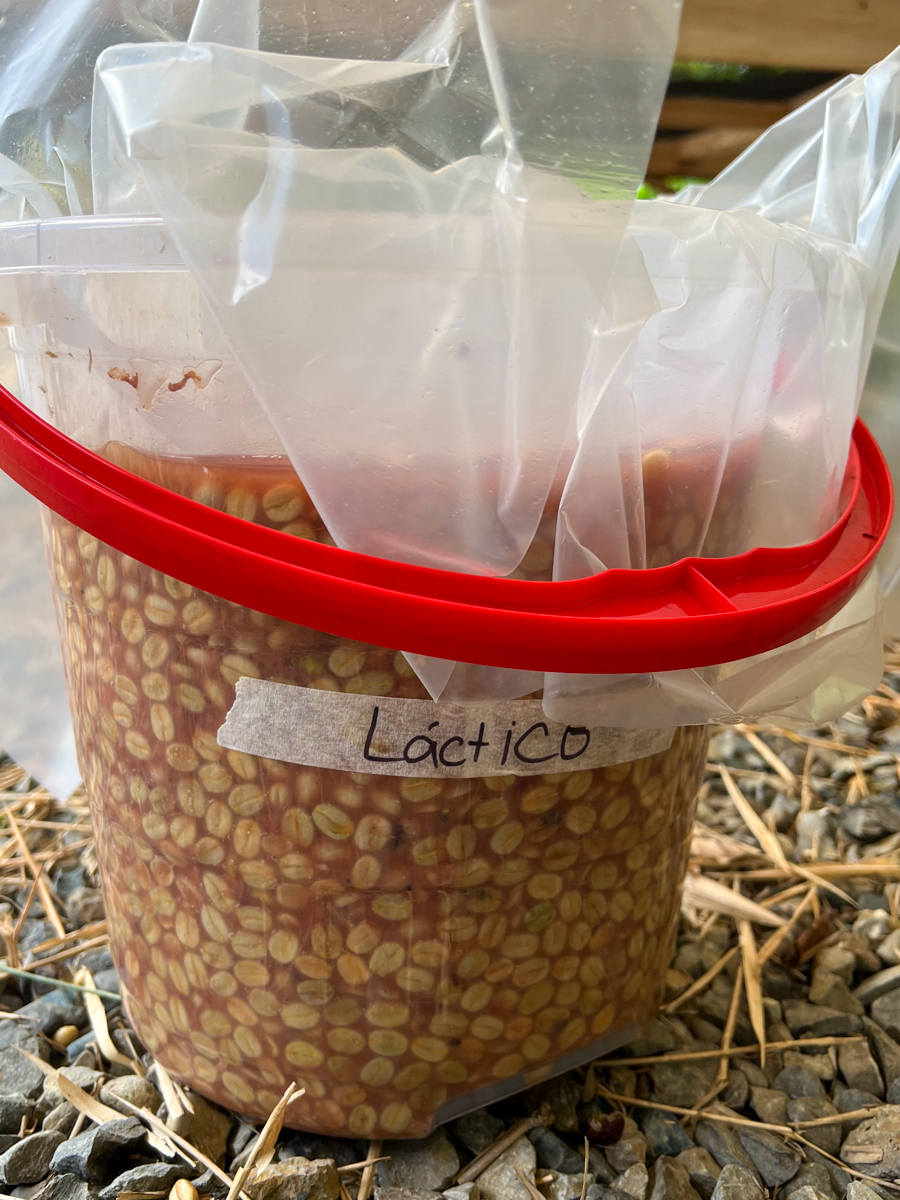
Anaerobic Fermentation

Interest in innovative post-harvest processing styles is building across the coffee supply chain. Producers and consumers are seeing benefits like unique flavor profiles that add value to coffee, help producers, processors, mills, farms, and coffees stand out from the crowd, and help diversify offerings. 

What happens when an experimental farm and a micromill work hand in hand for five years?

Finca Juan Martin and Manos Juntas are two different projects, both striving to make coffee production more profitable for producers and consistently delicious for consumers, all under the Banexport umbrella. Banexport is our longstanding partner and friend, sourcing and exporting many of our Cauca, Huila, and Nariño offerings. Their commitment to quality, sustainability, and economic equality for producers is exemplified in their projects, particularly Finca Juan Martin and Manos Juntas.

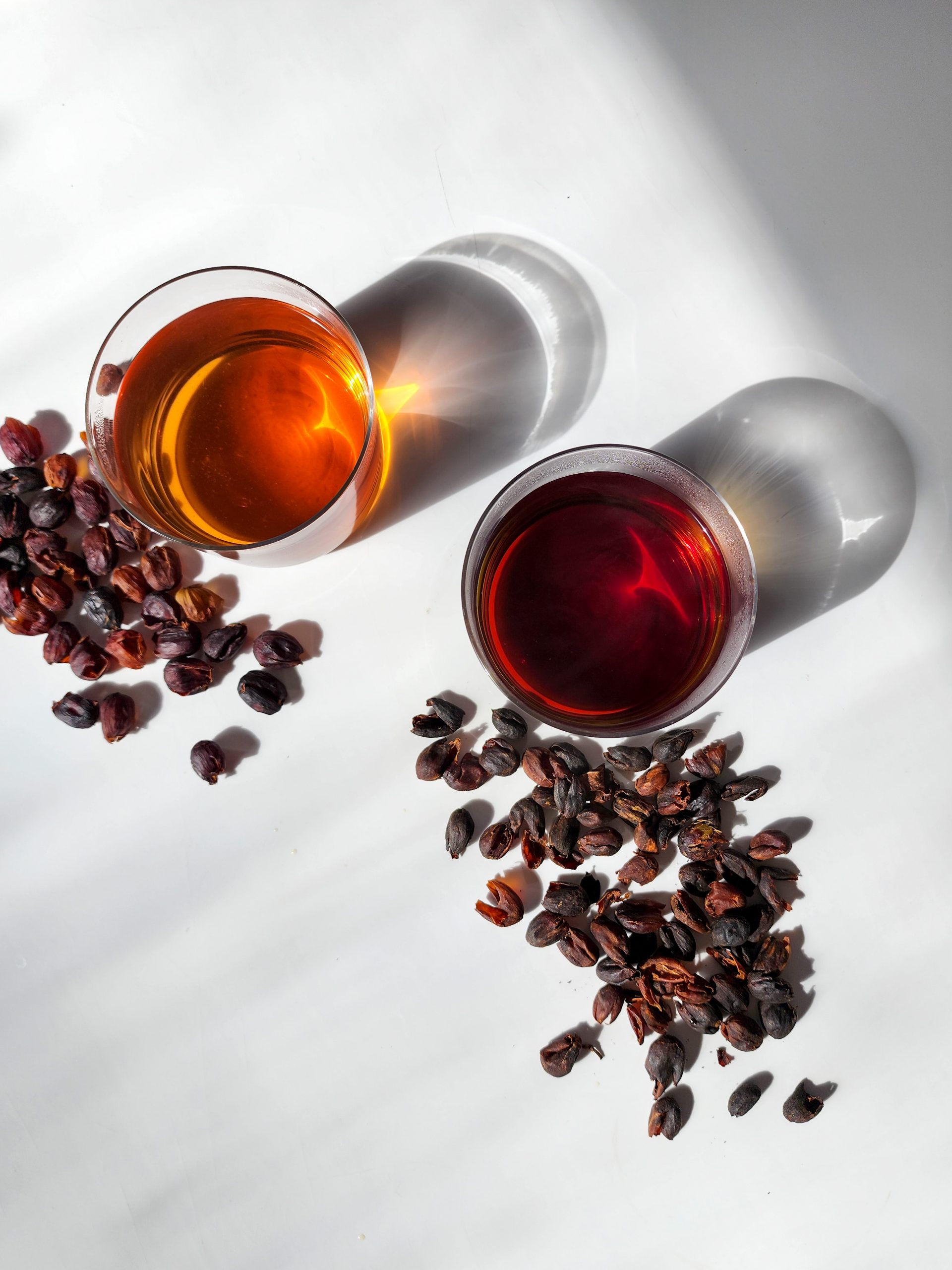
Break It Down & Brew It Up: Coffee Cascara

When coffee is processed, the layers of skin, fruit, and parchment are broken down and removed, leaving behind the seeds we roast and brew. Those discarded layers once provided life and protection to the seeds, but don’t have to all go to waste. The skin of the coffee cherry can be dried and sold as a singular product called Cascara.

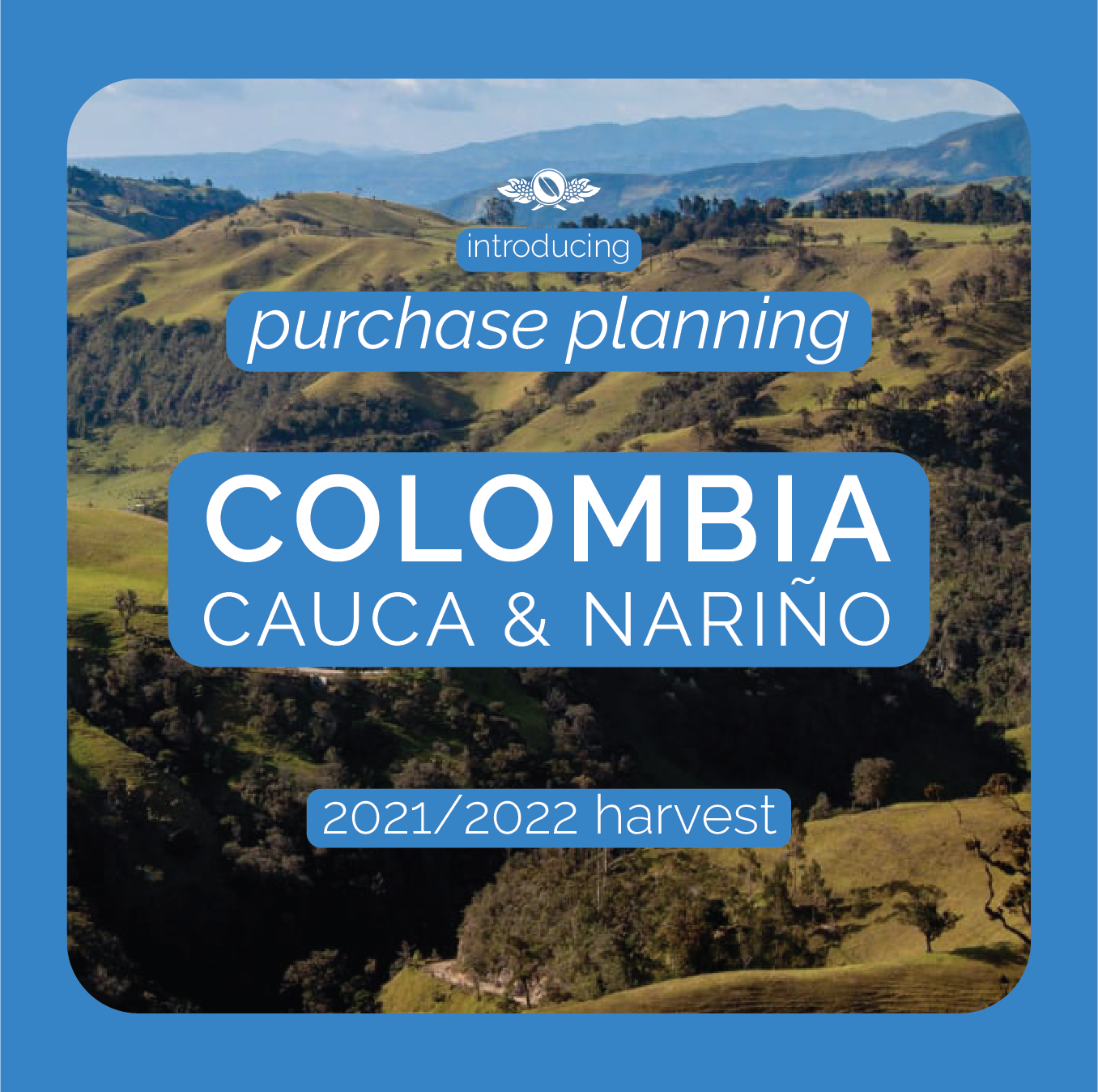
Cauca & Nariño Purchase Planning

We have designed our purchase planning tools with you in mind to make buying coffee with us smoother than ever. By purchase planning, you can make decisions based on the most up-to-date information on current crop offerings with expert guidance from our sales reps working closely with our green buyers at origin.

Introducing our Education Team

We couldn’t be more excited to announce the addition of two new faces to Cafe Imports, representing our Education team.

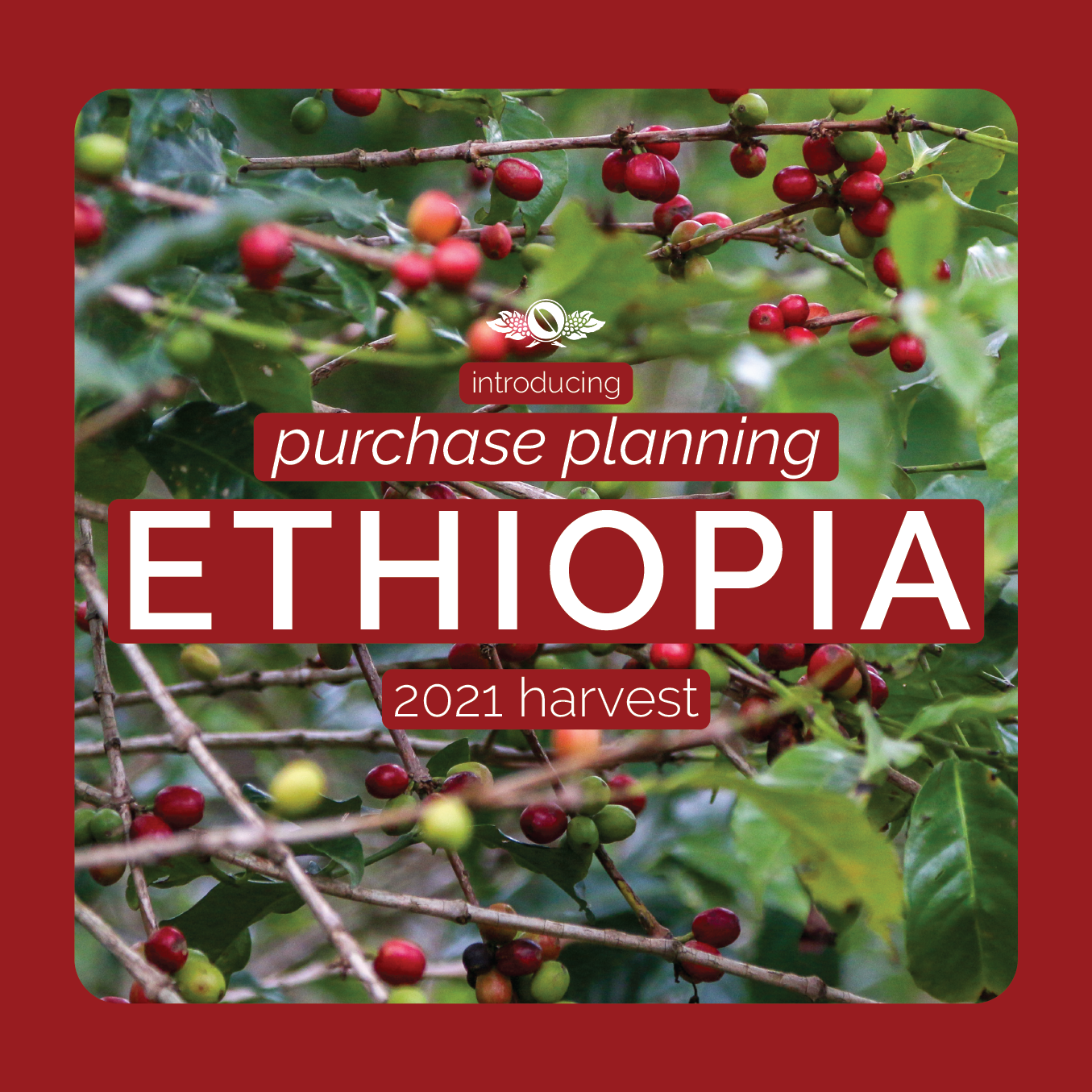
Ethiopia Purchase Planning

We have designed our purchase planning tools with you in mind to make buying coffee with us smoother than ever.

A Series about Certifications, part 5 – Direct Trade

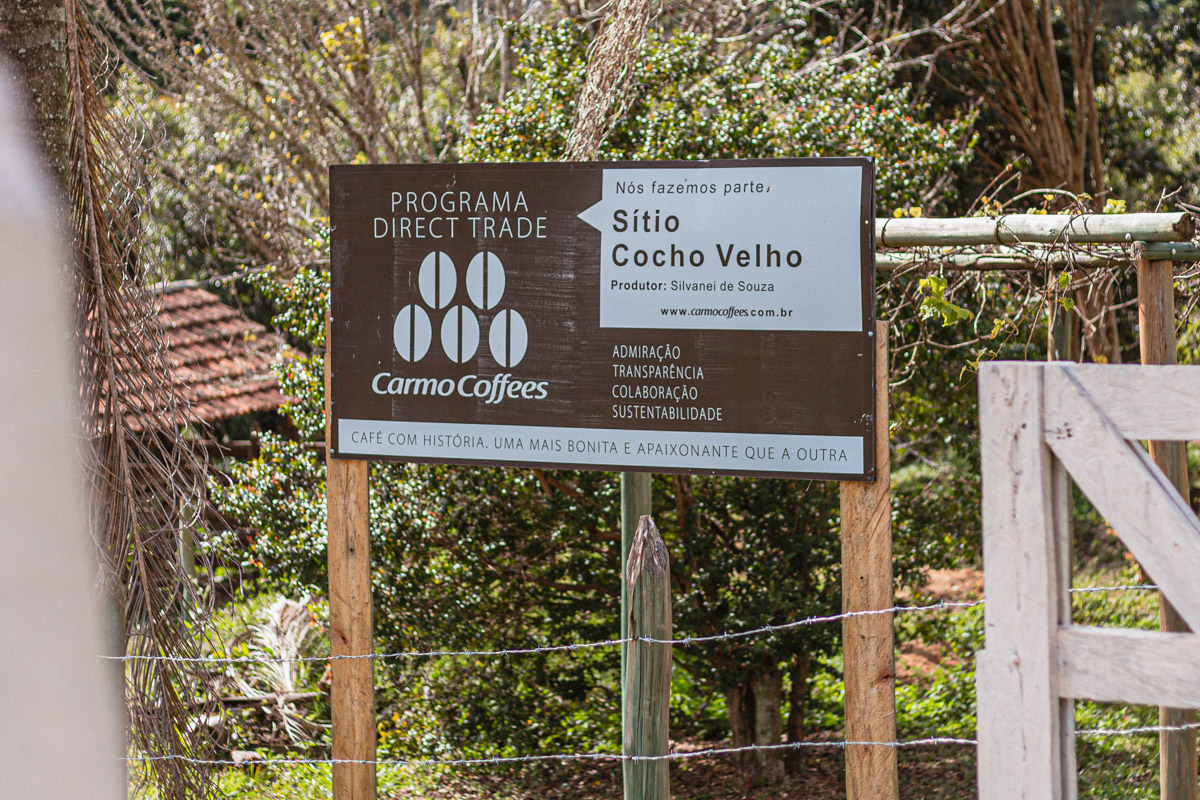
The mid-to-late 2000s saw the emergence of “direct trade” as coffee-sourcing concept that was designed to be something of an evolution of the certification programs that already existed in coffee at that time, specifically Fair Trade/Fairtrade. The benefits of those certifications seemed evident—organic certs provide environmental protection, Fair Trade provides financial protection—but lacked a component that was especially significant to specialty-coffee companies: cup quality.

A Series about Certifications, part 4 – Non-GMO

This fourth post covers the Non-GMO Project Verified Product certification. While this is not a common certification for coffee products, Cafe Imports has held Non-GMO Project certification since 2016 and we thought it might be valuable to share our reasoning and the requirements for this particular mark.  

A Series about Certifications, part 3 – Rainforest Alliance

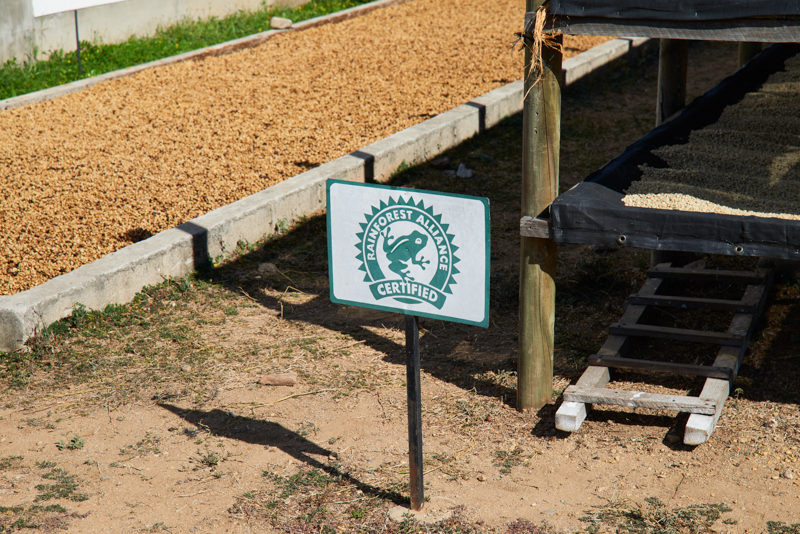
In the third post of this series, we’ll take a close look at Rainforest Alliance (also known as Rainforest Alliance/UTZ or RFA/UTZ) certification, so you can explore the holistic nature of this program and its in-depth look at the environmental, social, and economic conditions coffee farmers face.