

What happens when an experimental farm and a micromill work hand in hand for five years?
A week and a half ago, we traveled to mountainous Vancouver, Canada, to participate in the World AeroPress Championship finals. We’ve been the coffee sponsor and close supporter of this event for many years. Most recently, this has evolved into sourcing an offering alongside the WAC team to supply the competitors with a unique and versatile coffee to compete with. We sat on the judge’s panel this year, cupping through nearly fifty brews. The spectrum of flavor profiles, ranging from delicate to intense and bright to deep, was astonishing. It speaks to the versatility of coffee as an ingredient and the tools and talents of the champions – all reliant on the professionals who cultivated, harvested, and processed this coffee.
This year’s coffee was Cauca, Colombia’s Finca Juan Martin Red Striped Bourbon, one processed washed and one processed naturally at Manos Juntas micromill.
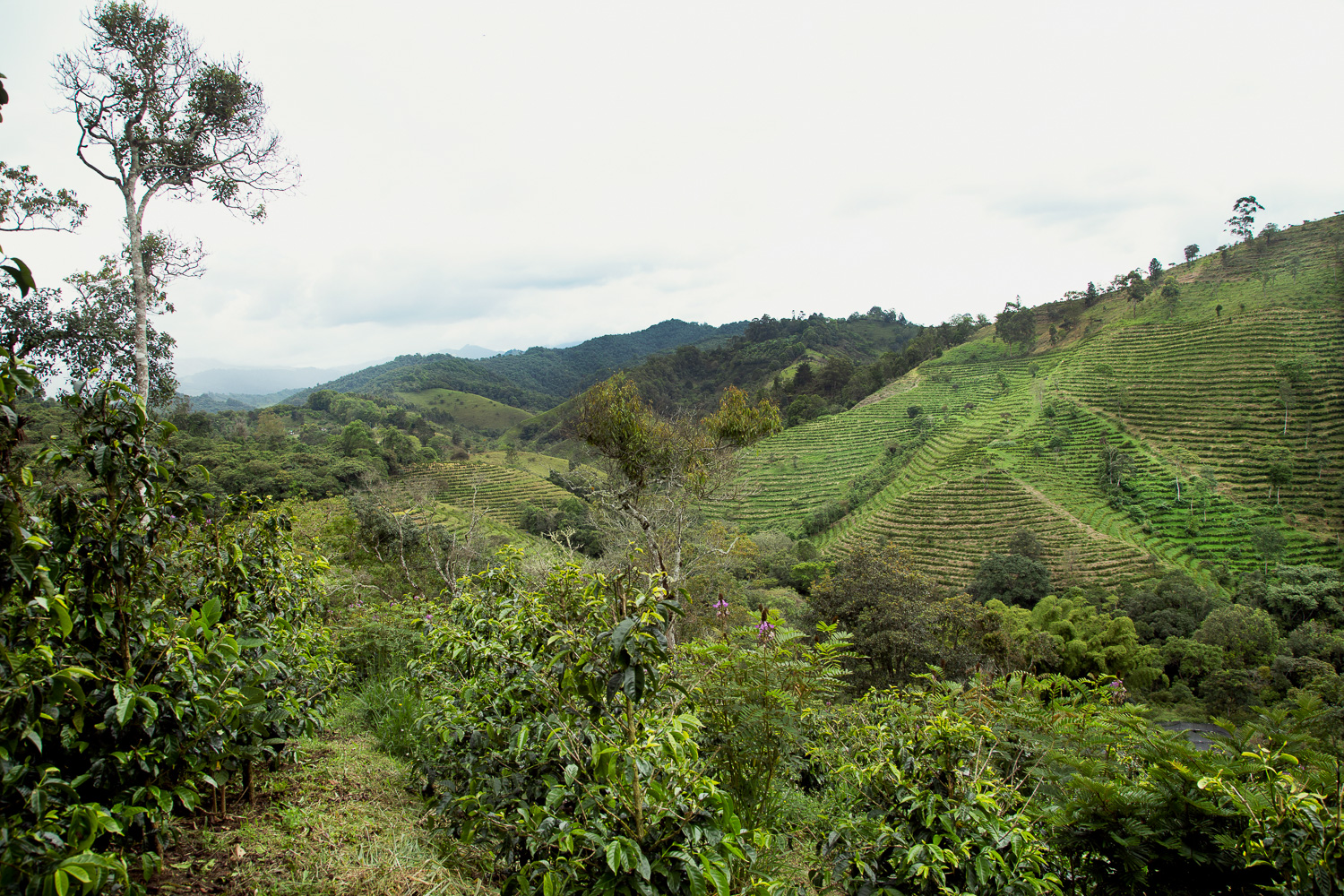
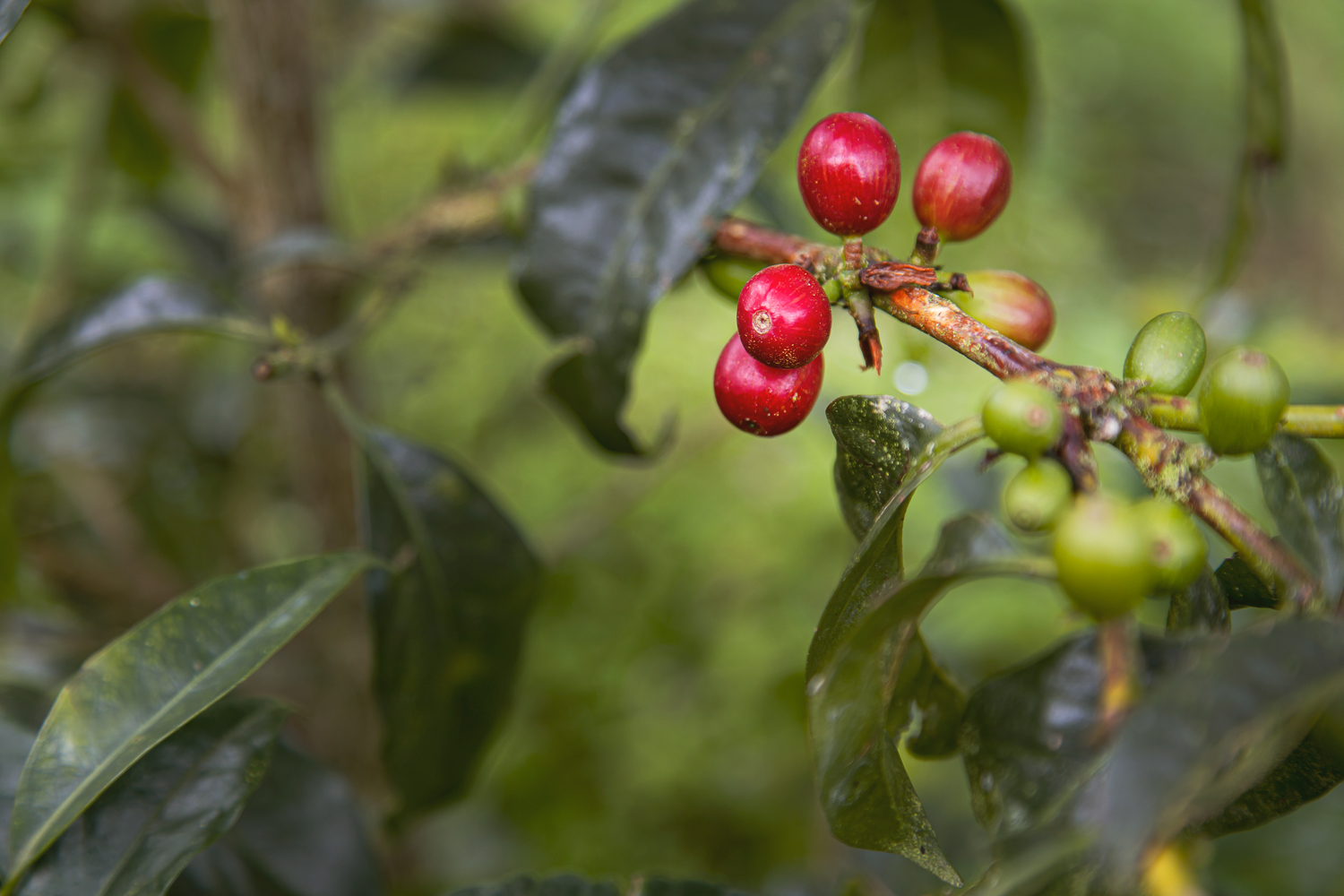
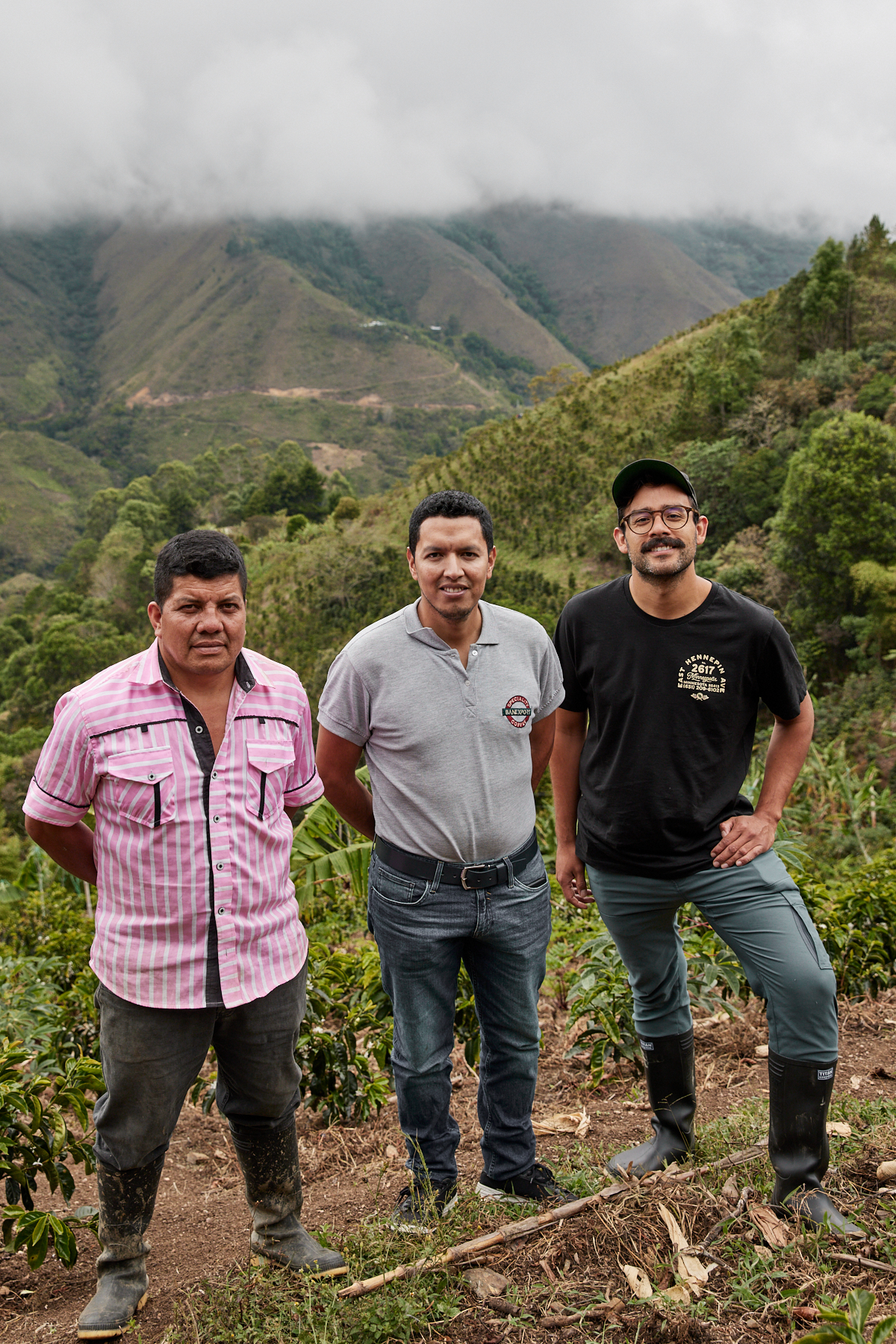
Finca Juan Martin and Manos Juntas are two different projects, both striving to make coffee production more profitable for producers and consistently delicious for consumers, all under the Banexport umbrella. Banexport is our longstanding partner and friend, sourcing and exporting many of our Cauca, Huila, and Nariño offerings. Their commitment to quality, sustainability, and economic equality for producers is exemplified in their projects, particularly Finca Juan Martin and Manos Juntas.
FINCA JUAN MARTIN
Modeling the future of specialty coffee in Colombia
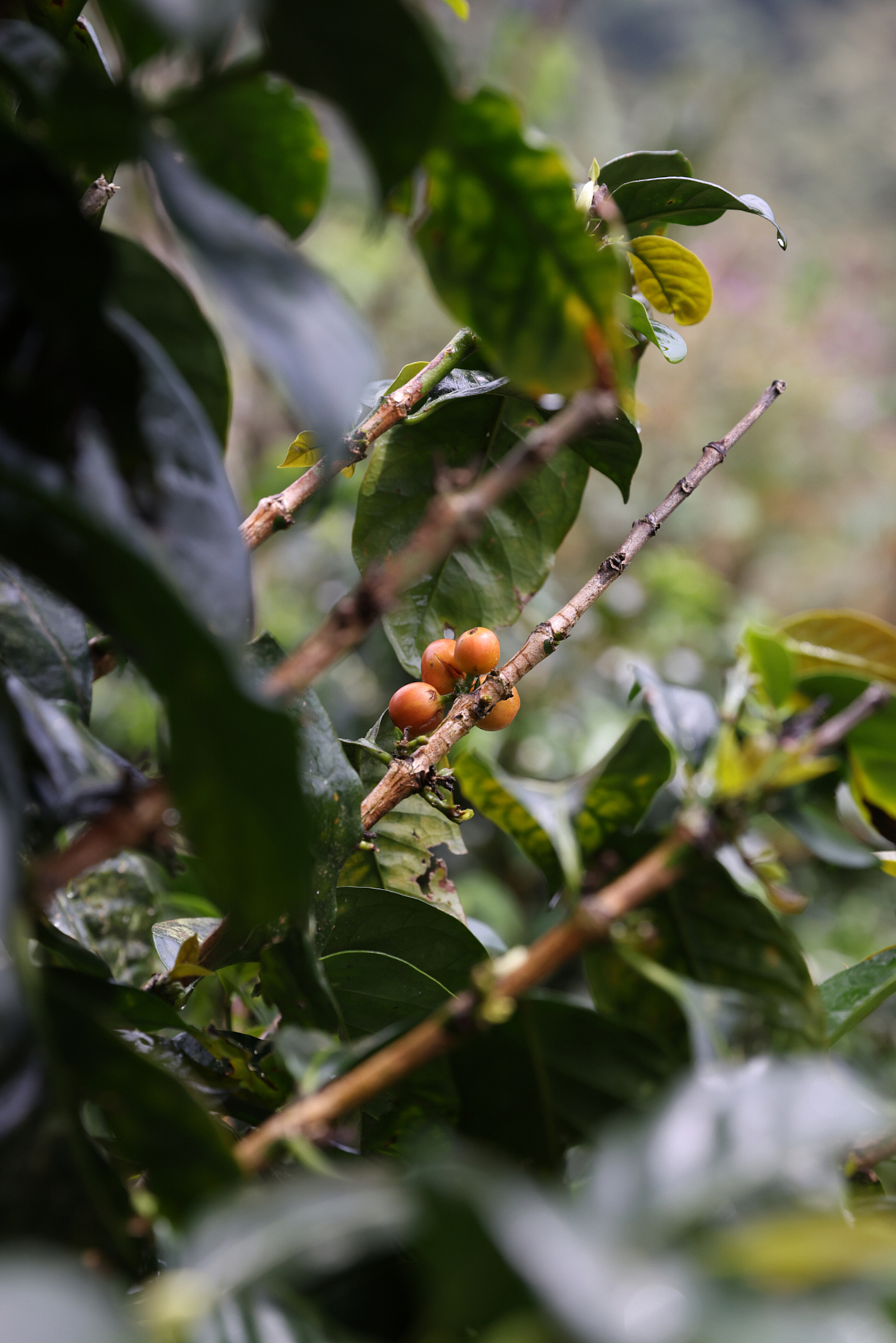
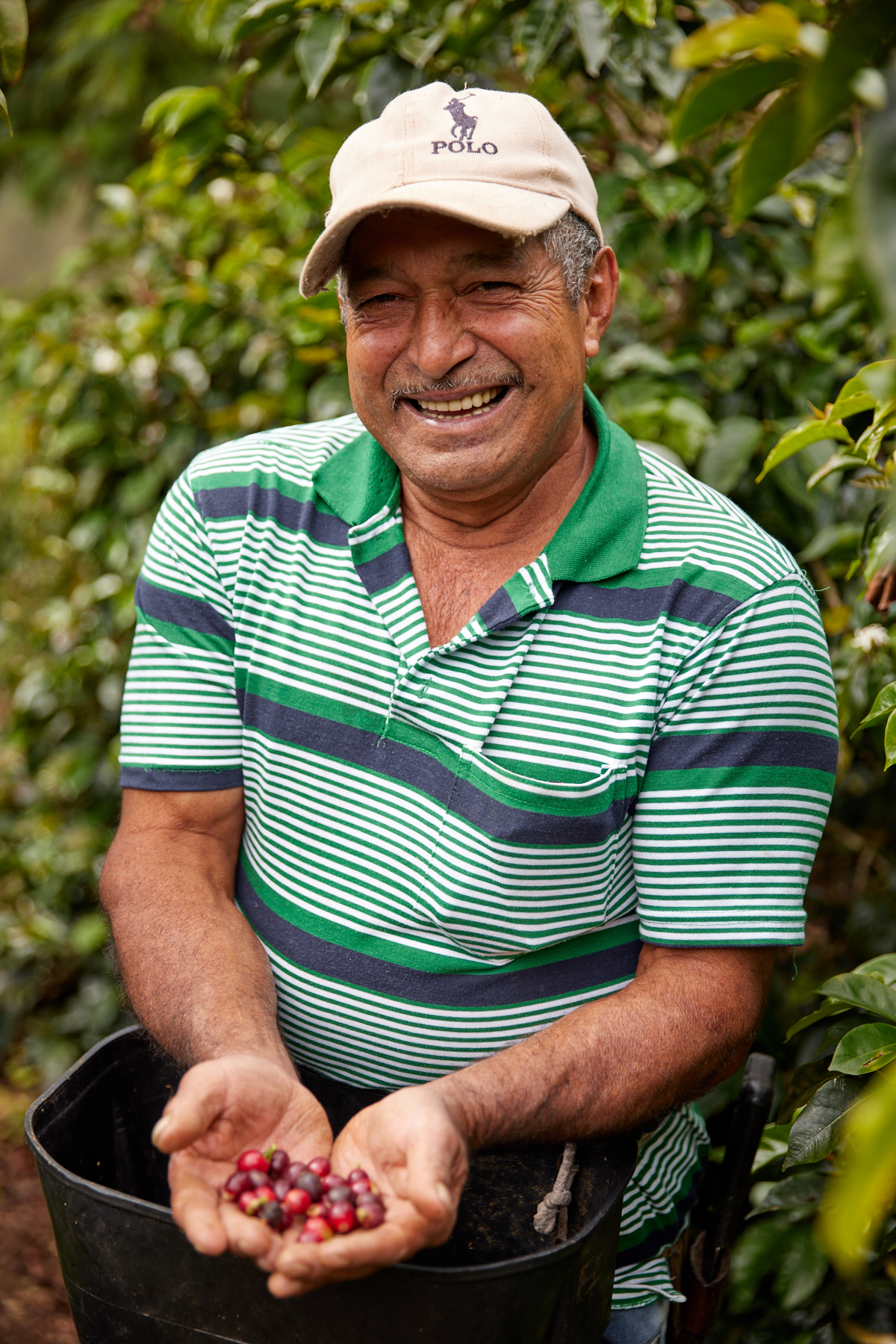
Best described as a model farm, Finca Juan Martin aims to develop quality-focused cultivation techniques with eleven varieties and counting, ranging from traditional (Colombia f6, Castillo, Caturra), to recently discovered (Red Striped Bourbon), to famous (Gesha, Sidra, Pink Bourbon). This knowledge is offered to producers in Cauca freely. Employees are paid competitively with full benefits. These practices are guided by their mission of making coffee a viable career path for generations to come throughout Colombia. When you purchase coffee from Finca Juan Martin, you support a competition-level farm that passes on its techniques to producers throughout Cauca.
We recently received fresh shipments from this project, available now in Minneapolis, including Red Striped Bourbon, Pink Bourbon, Sidra, Gesha, Arara, and Harrar.
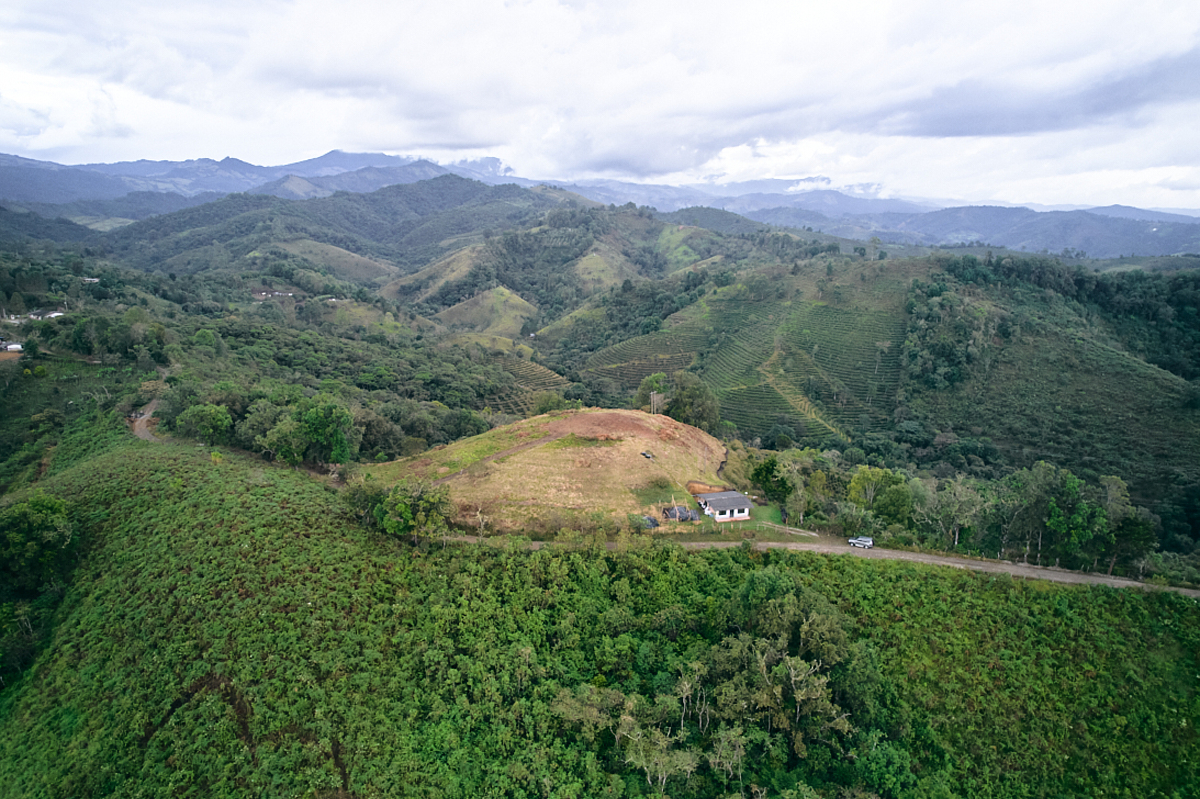
After the coffee is hand-harvested and sorted, the lots travel 25 miles from Sotara to Banexport’s micromill, Manos Juntas, in Popayan.
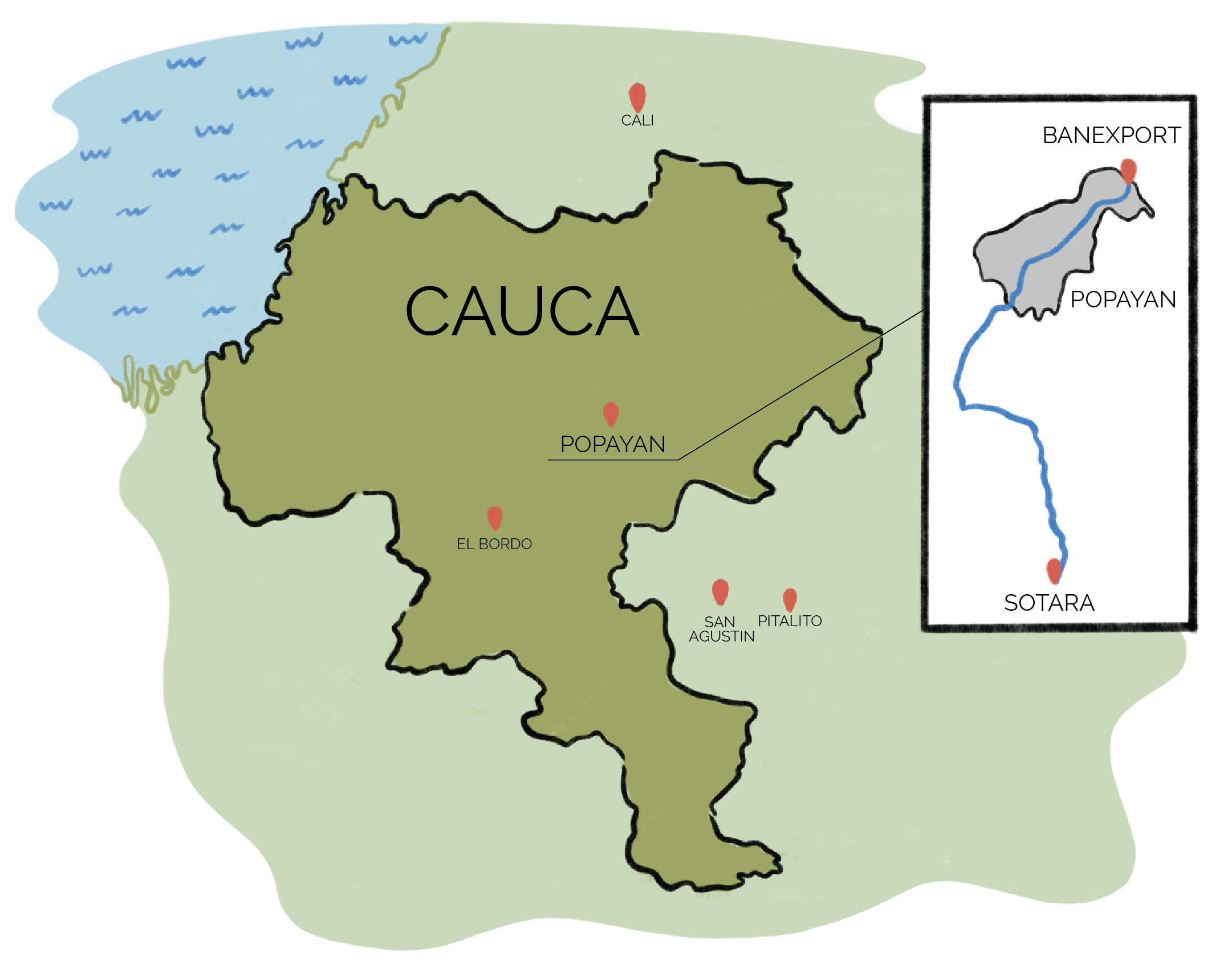
MANOS JUNTAS MICROMILL
Responsible, sustainable, and scientifically informed coffee processing
Manos Juntas is a micromill – a private, small-scale wet and dry mill. All of Finca Juan Martin’s coffee is processed at Manos Juntas. More importantly, though, Manos Juntas purchases cherry from over 60 producers throughout Cauca and Huila, paying them more expeditiously while taking on the risk of finishing and selling the coffee. Their process is forward-thinking, seeking solutions for many of coffee’s production problems.
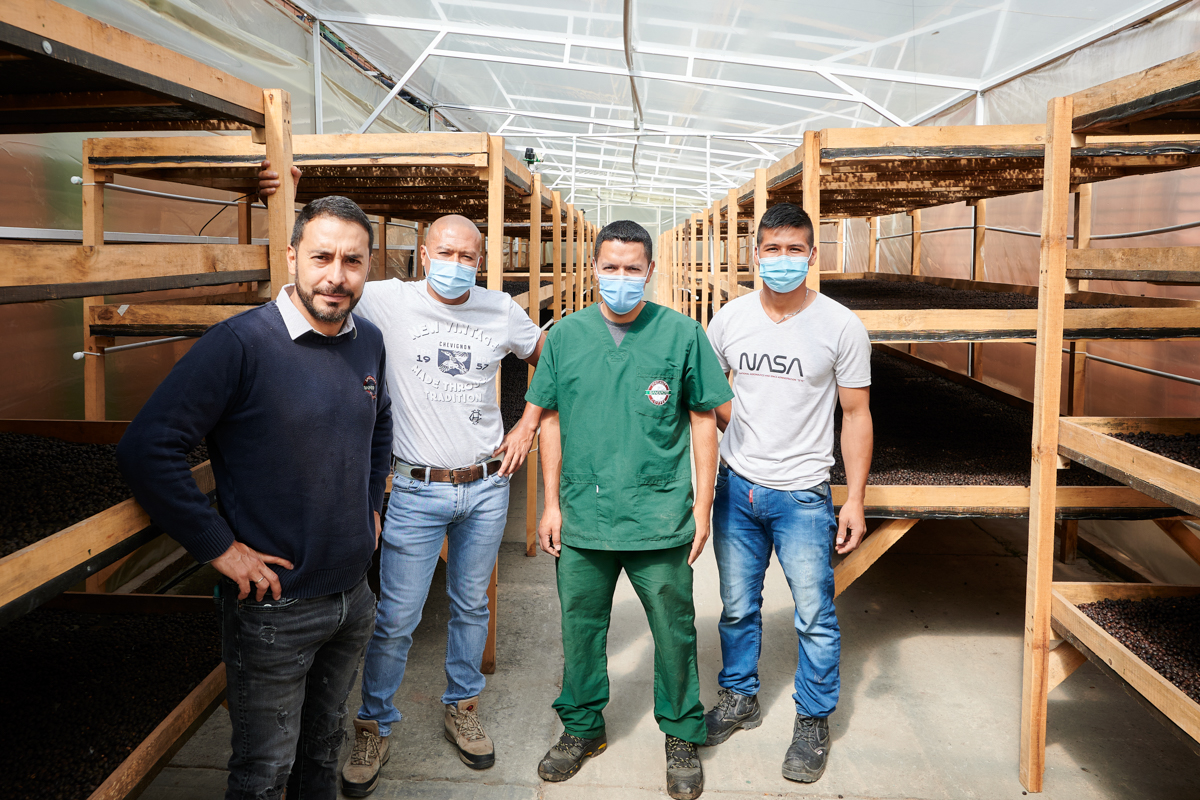
Here’s a look at a coffee’s journey through the mill, and what sets Manos Juntas apart.
Purchase Cherries from Producers →
- Producers are paid 2-3 months sooner than if they were to sell their own coffee in parchment.
- The producers are paid at least 25% more than Colombia’s standard differentiated rate.
- Manos Juntas assumes all risks associated with processing, drying, and exporting coffee.
Pre-Processing →
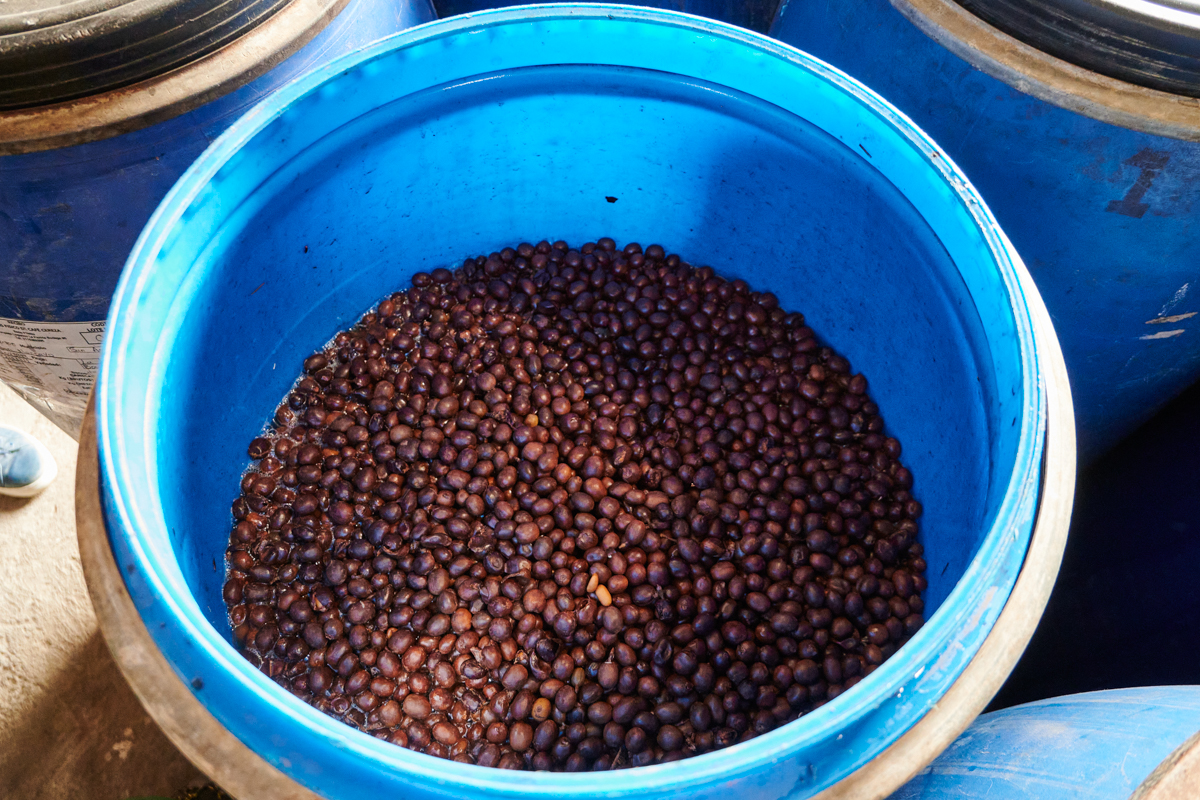
- Cherries are sorted by size and density into lots for homogenization and consistency in fermentation and drying rate.
- The cherries are then cleaned with UV light and an ozone solution to eliminate any foreign material and microorganisms that would impact the fermentation
Processing →
- Manos Juntas produces washed, honey, and natural-process coffees, as well as anaerobic variations of all three.
- Fermentation is controlled by isolating the lots and applying microorganisms from the same farm they develop in-house.
- Operations are fully powered by solar panels.
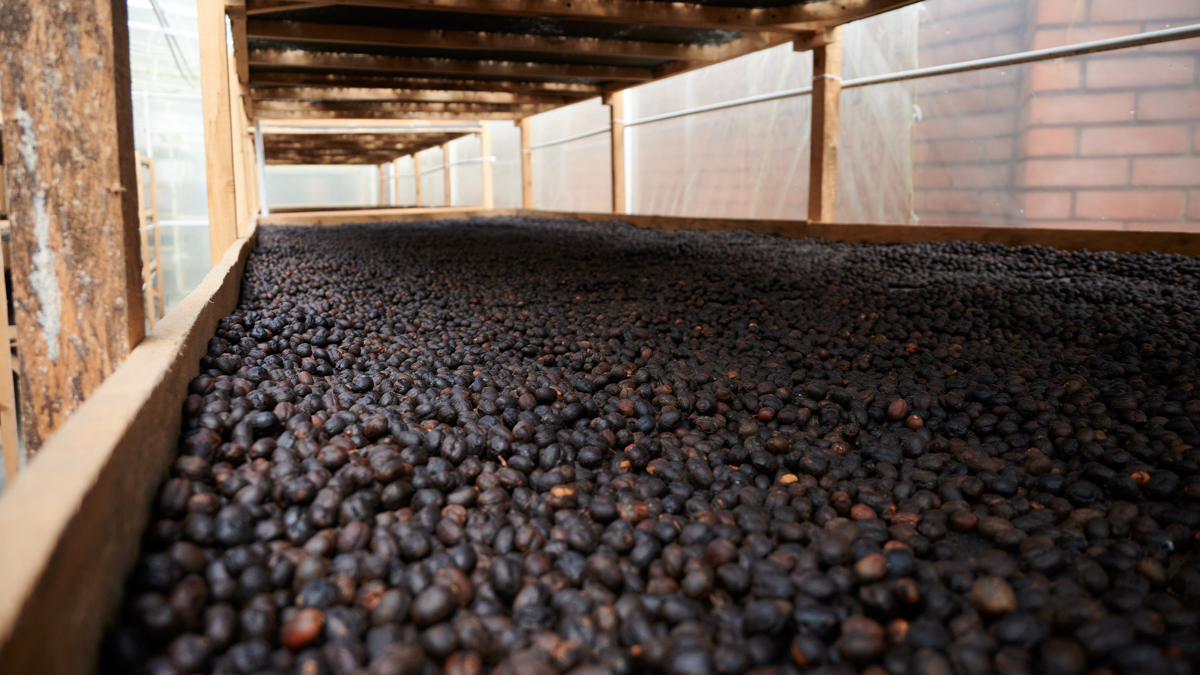
Drying and Post-Process
- Coffees are dried in a solar dryer. The humidity is controlled by compressed air, bringing the relative humidity down from 70% to 30%.
- All wastewater used in processing is filtered and treated before being pumped back into the city water system.
- The coffee by-product is being used in multiple ways: fertilizer, cascara, and other products that are in testing with the goal of generating more profits to be passed back to the producer.
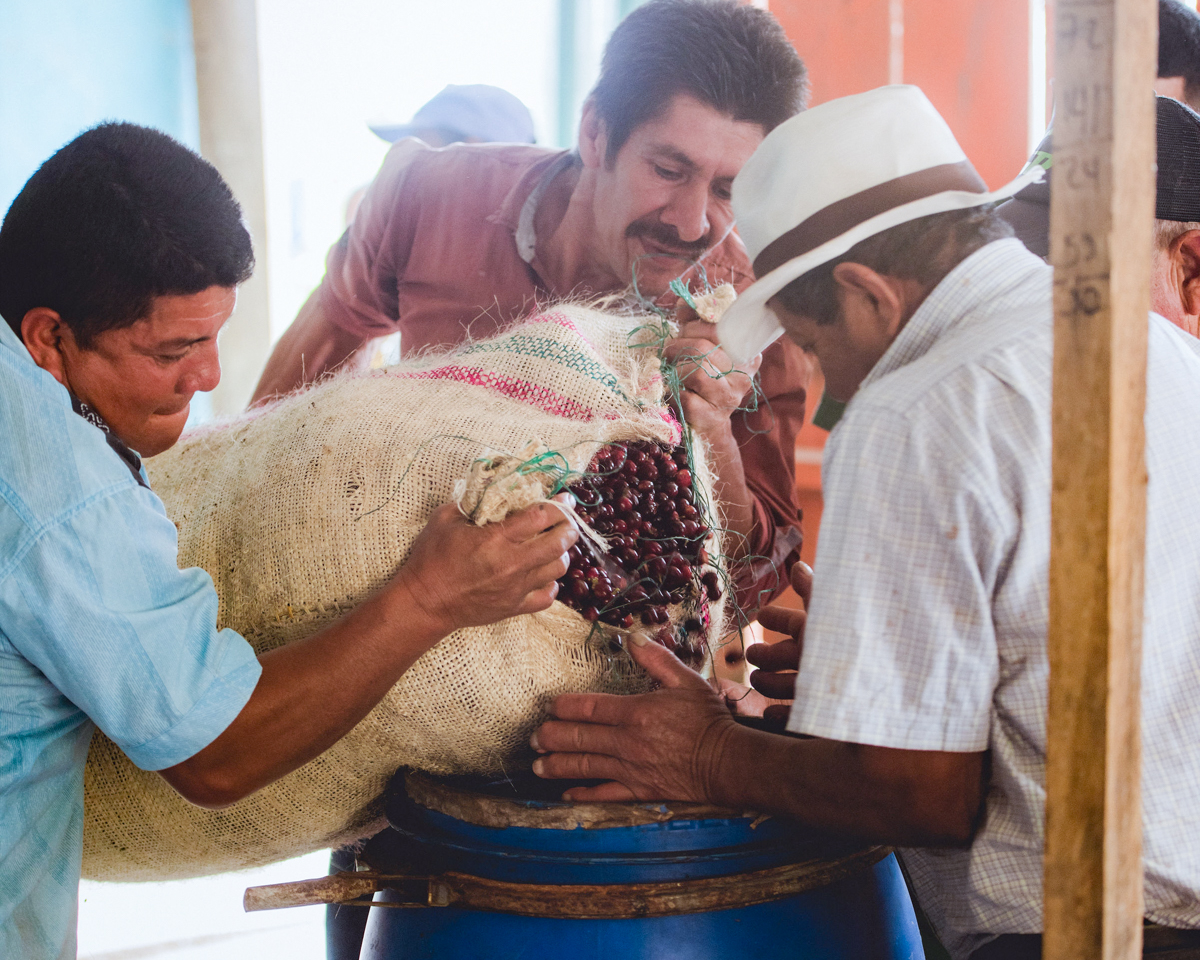
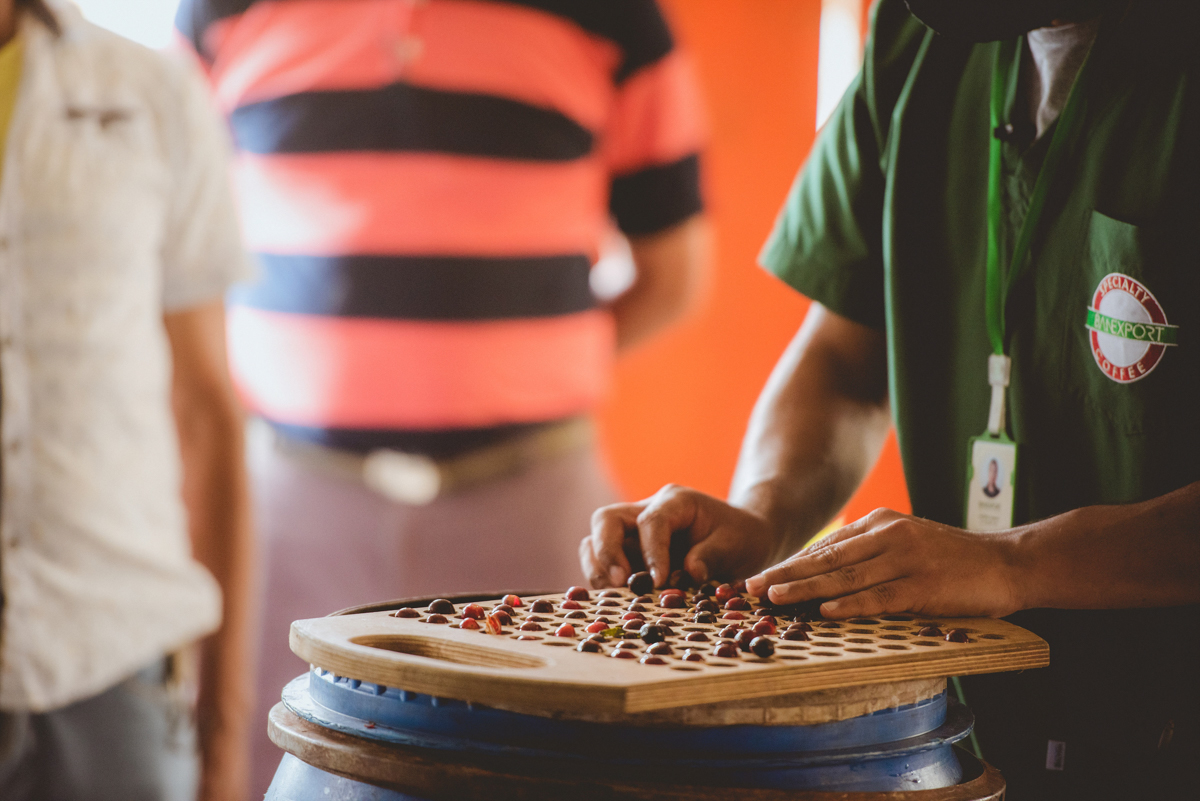
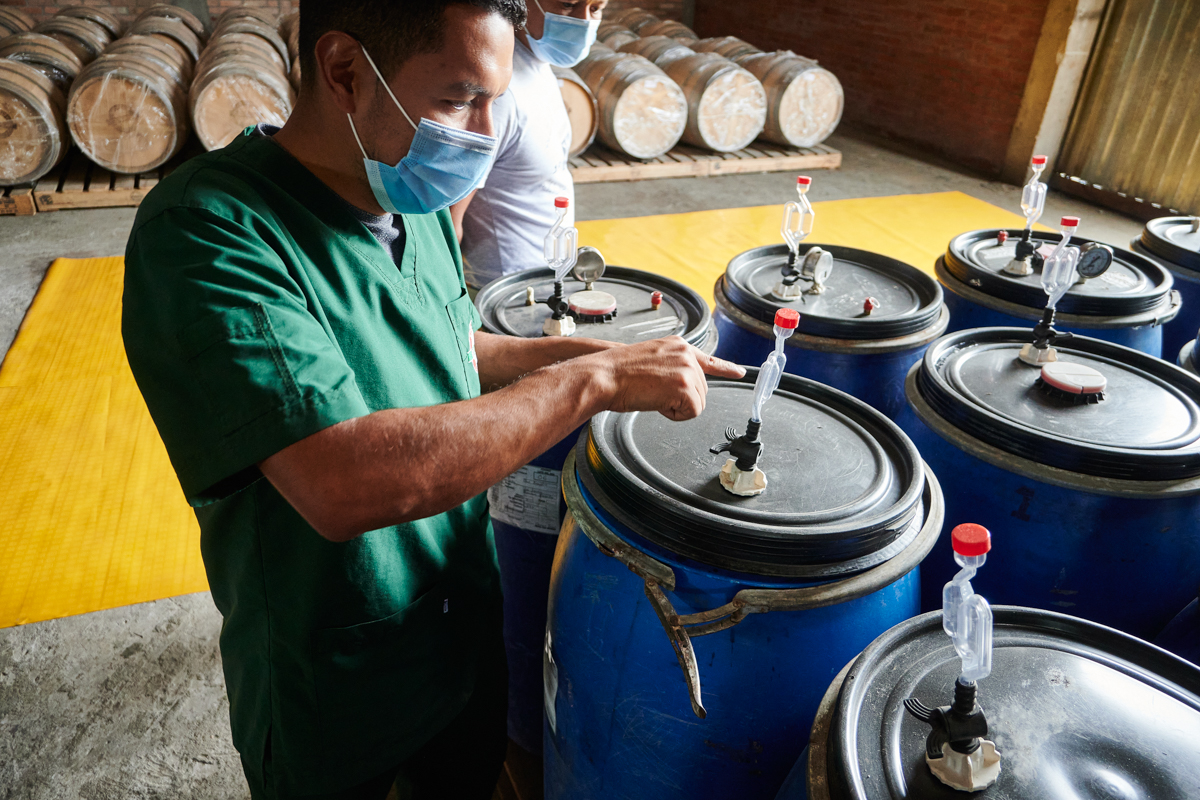
Purchasing Manos Juntas offerings allows this project to continue to grow in its capacity to innovate and serve more producers in an effort to raise the floor of coffee prices throughout Colombia. These coffees are beautifully consistent and improve year after year.
This is a long one, folks, but we are passionate about these projects.
It’s why we continually partner with people like Banexport. Prioritizing honesty, responsibility for the environment, and creating a sustainable path for producers is more important than ever. These two projects provide us with incredible coffees, yes. They also fight for the future of coffee in the face of climate change and economic instability so that the livelihood of all in the production chain is recognized as valuable – so that we might enjoy a morning cup that isn’t at the expense of others but creates more opportunity and potential for others.
Earlier Posts

Stump the Roaster: Melbourne, Thursday 30 March 7-10pm
YOU are invited to an in-depth conversation about roasting at Cafe Imports Australia, Thursday 30 March, 7-10pm. Free beer and food will be provided to foster top-notch focus during the evening’s sage-level stage banter! Our panel of guests include: Fay Kamanis...

Our Favorite Tagged Instagram Photos of 2016
Once again, we are so grateful for these tagged photos that we have compiled a list of our favorites from this year and wanted to share them back for the whole world to see! Here are our top ten favorite tagged Instagram photos from 2016 in no particular order:...

Women Coffee Producers Program
In an attempt to recognize and promote the work that women do in growing and producing coffees around the world, we have developed and hope to expand a program that empowers women along the global coffee supply chain by creating equity, empowerment, and access to a...

Happily announcing our Non-GMO Project Verification
Café Imports is proud to say that our coffees are now certified under the GMO verify project to be a non-GMO food. Like the Non GMO Project, we believe “That the integrity of our diverse genetic inheritance is essential to human and environmental health and...

Standardization, Automations, and This Thing I Did With Water
As you may know, Cafe Imports now has sales offices in the US, Berlin, and Melbourne. One of the distinct challenges posed by this growth is that of maintaining consistency. So much of what we do is based on what we taste. Even if we’re tasting in the same way,...

Peru Regional Select
A first arrival of the 2016 Peruvian harvest landed this week after great anticipation. Café Imports green buyer Piero Cristiani has been working relentlessly with Peru in recent years, visiting several times per harvest–strengthening relationships, focusing...

ANNOUNCING: The Legendary Cupping Tour – Carolinas!
ANNOUNCING: The Legendary Cupping Tour – CarolinasThis June 28th – July 1st Café Imports is heading down to the Carolinas to taste some of our favorite fresh-crop coffees with you. RSVP: sales@cafeimports.com Tuesday, June 28th @ 2:00 PM: Charleston, SC...

The 2016 Legendary Coffee Producer Tour Lineup
Café Imports is committed to supporting the baristas who are at the front lines of our industry–the people who shake hands with customers and humbly serve a beautiful product which so many people worked so hard to prepare. After recent changes to the SCAA...

A 2015 Visual CI Retrospective
Well, wouldn’t you know: It’s that time of year where America’s favorite VJ, Carson Daly, throws on the leather gloves & ear muffs to guide us through the cosmos in NYC’s Time Square. Cosmos, you ask? Well, that would be referring to our...

Our favorite tagged photos of 2015
The interconnectivety social media has granted modern day coffee creatives absolutely flabbergasts us. We are delighted on a daily basis to open up our instagram and discover ourselves tagged in photos, making us proclaim things like: “Zaaaam, that coffee made...

The Legendary Coffee Producer Tour
In 2010, we approached the SCAA with a proposal to bring the U.S. regional champion baristas to visit a coffee-producing country. This was a new idea–connecting some of the most passionate coffee professionals with the producers who grow the thing they work with...

Origin Report: Ecuador 2015
Nestled between two coffee giants, Colombia and Peru, Ecuador is a small country with a lot of coffee potential: Fantastic elevation, good varieties, and lush farmland should put this Equator-straddling South American nation at the top of everyone’s origin...