
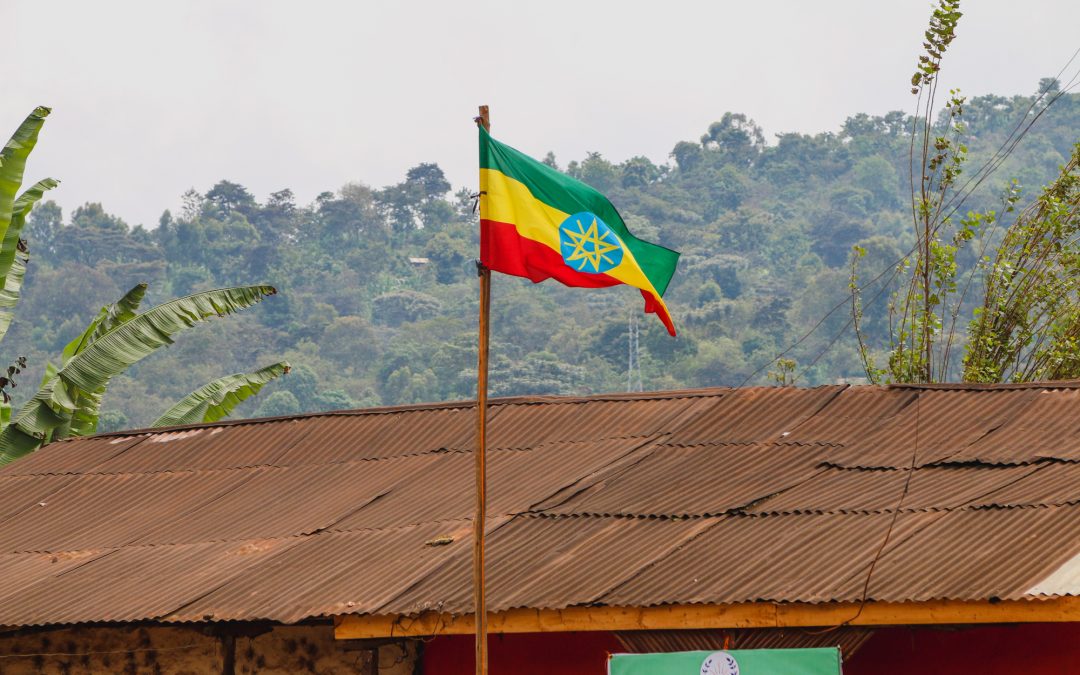
About 4 years ago we noticed . . .an international mystery
Around four years ago, we noticed that new Ethiopian coffee exporters were springing up left and right. We would get four to five new emails a week from some new exporting company, often with Industrial blah blah blah as part of their corporate name. We guess competition is a good thing, but it seemed a bit strange – so many new companies so quickly. As we all know, specialty coffee is a pretty small community. Who were these new companies? Another thing is that many of these companies were offering coffee at what seemed near or below the cost of production, which was also strange! Why would new companies come in with no background in coffee and sell at or below cost? That was the mystery.
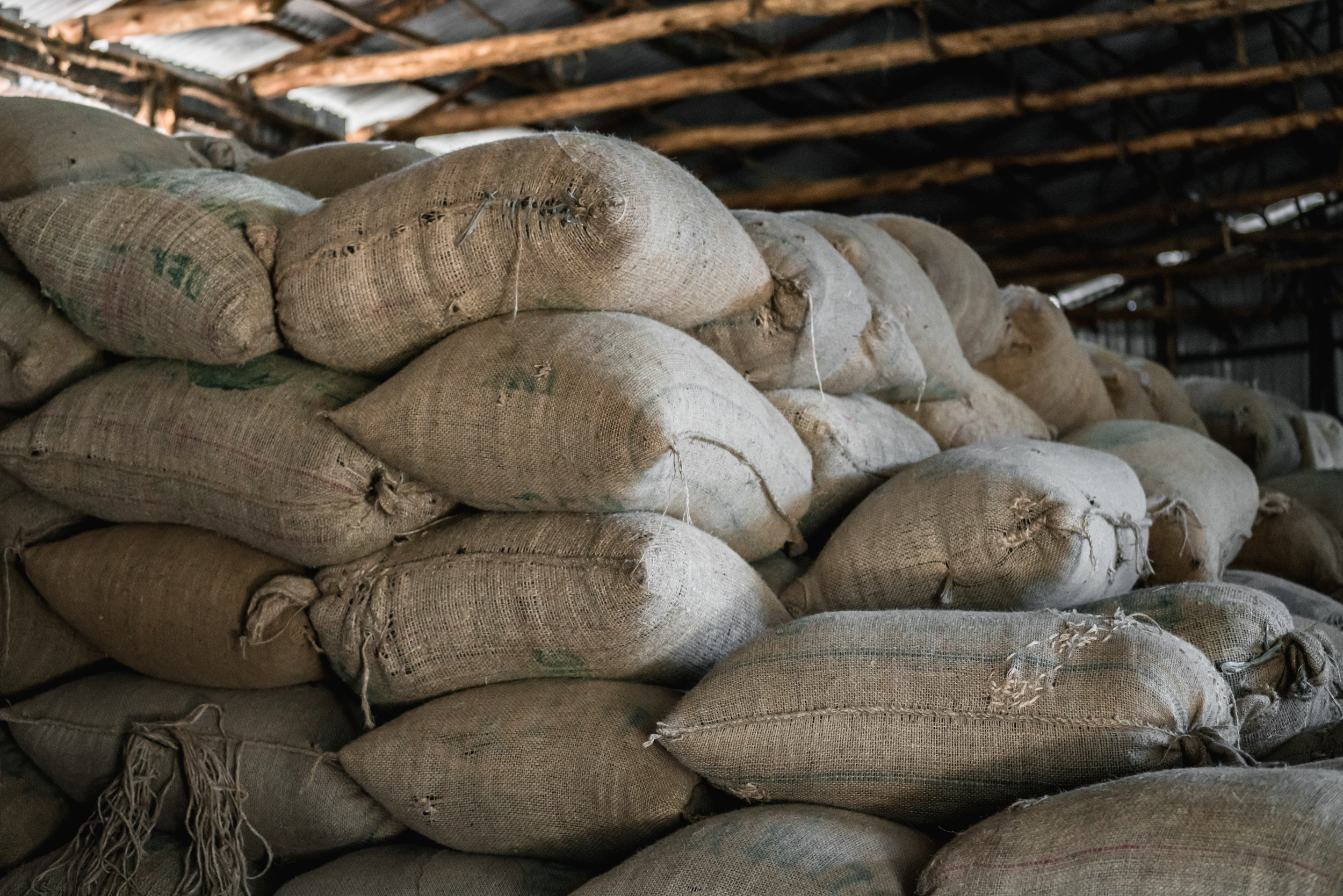
Ethiopian coffee has always been our favorite, but there has always been a weird reshuffle of the business every few years, usually due to a governmental change triggered by something behind the scenes. We wanted to figure out what was going on this time.
One of the first things to consider is the foreign exchange market. Most international trade is either in U.S. Dollars or European Euros. If you are a small country and need to buy a barrel of oil, you must pay in U.S. Dollars. If you want to import some high-precision equipment from Germany, you have to pay in Euros. Effectively, countries must sell their local currency first, buy foreign currency, and then buy the product they want. If you have a currency people want or can use, then great, no problem. But what if you have a currency that no one really needs other than the locals, like the Ethiopia Birr? Well, you might face a shortage of foreign exchange.
Now, suppose that you are a local company in one of these countries and you want to build a new building, and you need to buy cranes and construction equipment, and you can only pay for this shiny new stuff with U.S. Dollars or Euros? Let’s say you can make a 40% return on building tall new buildings, but you don’t have any Dollars or Euros. What can you do?
This is an issue that Ethiopia faces. Ethiopia needs foreign exchange to buy jet fuel for Ethiopian Airlines (one of my favs for Africa), or the government wants USD for petrol purchases. Obviously, Dollars and Euros are in demand. The country and its businesses want them, but there’s a shortage. This is why all foreign exchange transactions go through the Central Bank of Ethiopia. This is a fairly common practice for countries with a shorter supply of foreign exchange.
Okay, whew, enough FX and economics, and back to the mystery!
So, why would all these new coffee exporting companies that don’t look like coffee companies come into coffee? Why sell at a 5% loss? But hey, if they’re making a 40% return on the sinks they import, they’re netting 35%. Guess that makes sense, doesn’t it? So where is the link here? The link is that around four years ago, the Ethiopian government wanted to get more foreign exchange, and they did that through export licenses. Ethiopian companies would export something and be paid in USD. 70% of those dollars would be kept by the exporter while 30% of the dollars went to the Central Bank, paid back to the exporter in Birr. Essentially, companies would export coffee at a lower price, and the Government would get more foreign exchange, effectively creating an artificial demand for coffee (and other products) to draw in U.S. Dollars.
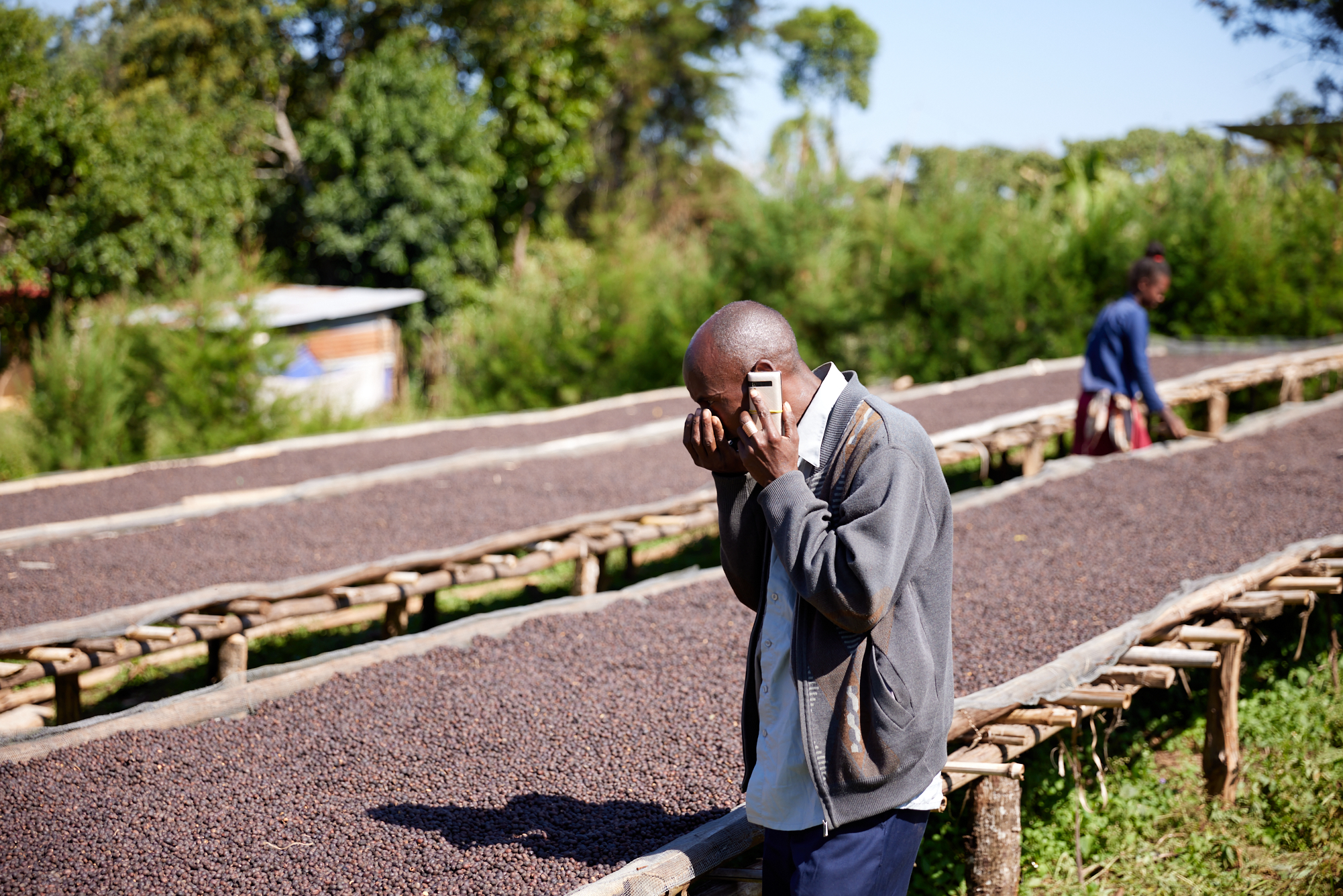
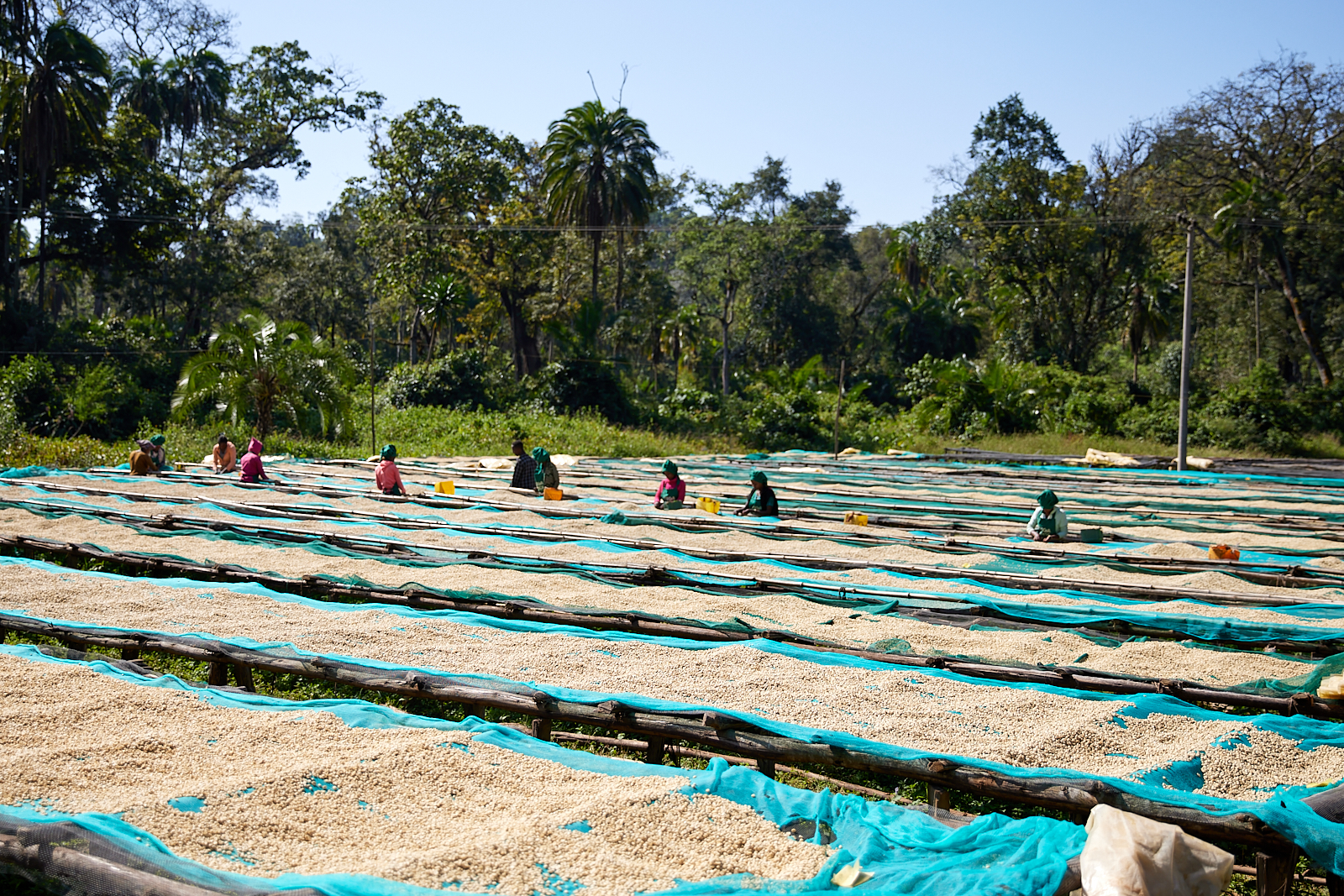
Flash forward four years to 2023. Ethiopia is now facing record-high global inflation (28.57%) and food inflation (33.8%) aggravated by the war against Ukraine. There is a three-year-long civil war in northern Ethiopia that has forced the Ethiopian government to spend foreign exchange while receiving less foreign aid, along with a drop in tourism dollar inflow due to COVID and the war. All of this adds to the already massive shortage of U.S. Dollars. What’s the government to do? They recently changed the previously mentioned 70/30 split for export dollars to 30/70 for the government, making USD even more in demand by Ethiopian businesses.
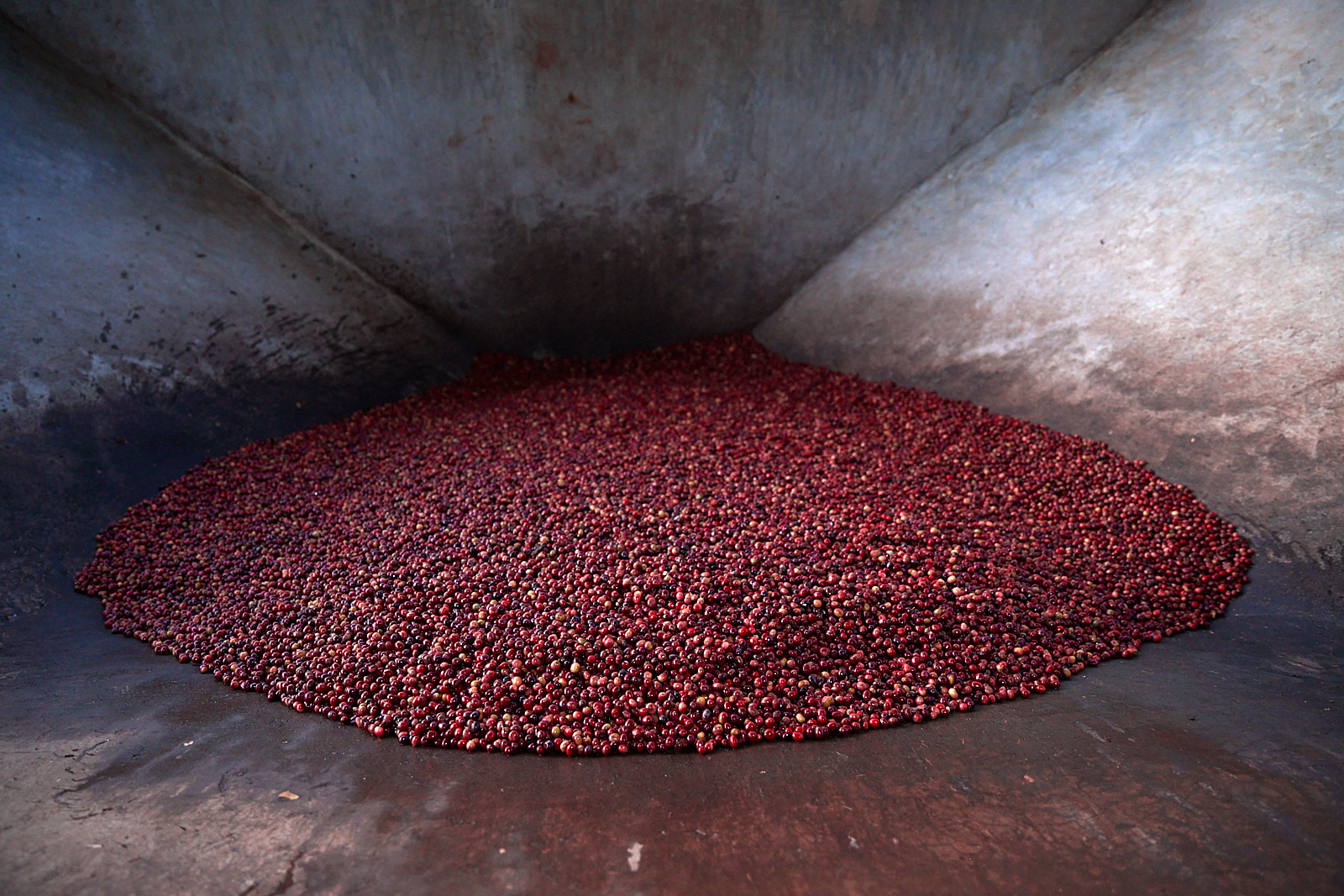
The artificial demand for coffee to raise USD, the lower split of USD between exporter and government, and the rising cost of living has driven up prices for coffee to around 75-80 birr/kg of cherry compared to last year’s 30-50 birr/kg. (This artificial demand for coffee to raise U.S. Dollars has driven up prices for coffee to around 75-80 birr/kg of cherry)
So what? Farmers who have been underpaid forever are getting more money! Great! Success!
This artificial demand is actually creating prices that are getting to unstable levels. The current prices paid for cherry are currently 75- 80 birr/kg (compared to 16-30 birr/kg in 2021). This pricing sets the break-even export cost of the coffee to be above 5 USD/lbs FOB. What will happen if the world demand for coffee drops at these prices? Exporters will go bankrupt, and, in the end, farmers won’t have a sustainable business.
What can be done about this? Hopefully, the war settles down, of course, and foreign investment is revitalized, giving Ethiopia a source of foreign exchange. Additionally, setting some type of limit on exporting licenses for non-coffee businesses might help here, too.
In the meantime, prices for Ethiopian coffee are going to be higher this year than they were last year.
Either way, we’re continuing to cup and buy the best Ethiopian coffees we can find with our trusted partners, and hope that you continue to buy and roast the same!
Jason Long
CEO, SVP of Sourcing, Partner
Earlier Posts
Origin Report: Peru 2017
We’ve been getting to know—and falling more and more in love with—Peru for years, and the rest of the world is starting to discover the quality and character in these wonderful coffees.
Origin Brief: Burundi 2017
It’s never easy to source coffee, but some coffees are admittedly a little harder than others.
Midwest to Middle East: Cafe Imports in the GCC
Cafe Imports spent a week bringing coffee education, cupping, and community to the Gulf Cooperation Council, visiting Saudi Arabia and United Arab Emirates to celebrate our new partnership with Kafa Coffee, based out of Khobar, Saudi Arabia.

Minneroasta 2017: You're invited!
You’re invited to the grand opening of the Mill City Roasters Campus for the First Annual “Minneroasta!”
Minneroasta is a two-day event taking place Oct 20–21, immediately following the first two-day Introduction to Commercial Roasting Class (Oct 18–19), presented by Mill City Roasters and Cafe Imports.
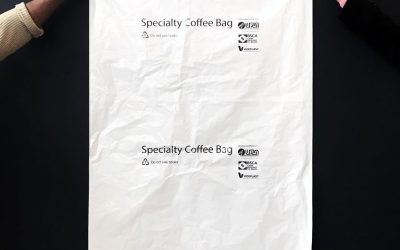
Brazil's Brand-New Bag
When it comes to geeking out over coffee stuff, there’s the totally cool (drone videos over coffee farms), really cool (processing experiments at micromills), and very nerdy but still pretty cool (heat transfer comparisons between a Loring and a Probat).
Every once in a while, though, we find ourselves completely geeked out over something that’s decidedly not cool—or at least not particularly sexy.
You know… like, bags.

Origin Report: Asia Pacific (PNG, Sulawesi, and Sumatra) 2017
If we were in the BBQ business instead of the coffee business, we would never try to sell Kentucky ribs to someone looking for Texas brisket. Just because both come from Southern states known for an obsession for smoked meat doesn’t mean they’re automatically interchangeable—a fact we generally know to be true in coffee, especially when comparing, say, Colombians and Brazils, or Kenyans with Ethiopians.
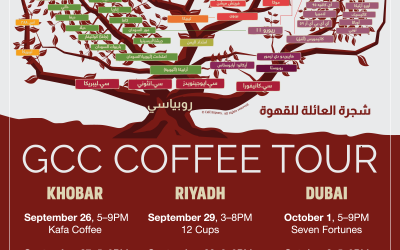
GCC Coffee Tour
Cafe Imports is headed to the Gulf Cooperative Council! We will be teaming up with our partners at Nukhbat Al Marabih and Kafa Coffee to present educational coffee events and cuppings in three cities across the GCC.
Mill City Roasters Education Partnership
It is inspiring to serve the global coffee community while also surrounded by such thriving local coffee scenes at each of our offices. For example, just one Paul Bunyan–size hop-skip-and-jump down the road from our North American headquarters in Minneapolis, you will find an oasis of roasting experts at Mill City Roasters.

How We Buy Coffee
Buying the best coffees means buying coffees better: At Cafe Imports, we believe in offering both our roaster customers and our producing partners the squarest deal for every quality of coffee, from the workhorse 80–83 point lots all the way up to the 90+ microlots. Our sourcing philosophy is designed to be a holistic way to meet all of these needs, and we have found an approach that helps us develop stronger relationships at origin, discover better coffees all the time, and offer the right prices to our partners all along the supply chain. Read more about what we call our “stratified” approach to sourcing coffees, and learn how you can fit these offerings and this principle into your green-coffee buying with us, too.
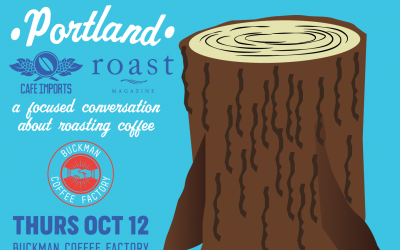
Stump the Roaster PDX – October 12 @ 6pm
Stump the Roaster comes back to beautiful Stumptown for another enlightening evening of shop talk, caffeinated confessions, and candid Q&A. Join us at Buckman Coffee Factory for the fine food, drinks from Rogue Ales, and community.
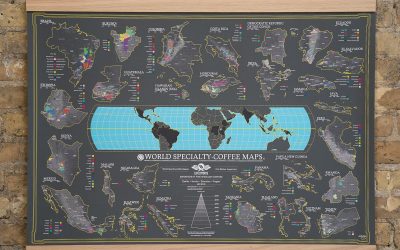
Now Available: The Cafe Imports World Specialty-Coffee Maps
After several years of development, we are pleased to release the first edition of our World Specialty-Coffee Maps. The individual country maps reflect Cafe Imports’ buying history and sourcing efforts, along with the insight of our partners in specialty-coffee-producing regions worldwide.
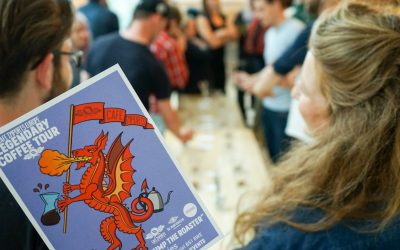
Legendary Coffee Tour Europe 2017 Recap
One of the most exciting and enjoyable parts of working with green coffee is traveling to meet roasters and producers alike. Connecting these two sides of the industry is our main focus, and therefore we are constantly trying to dream up new ways to bring our partners...