
Break It Down & Brew It Up: Coffee Cascara
What is Cascara?
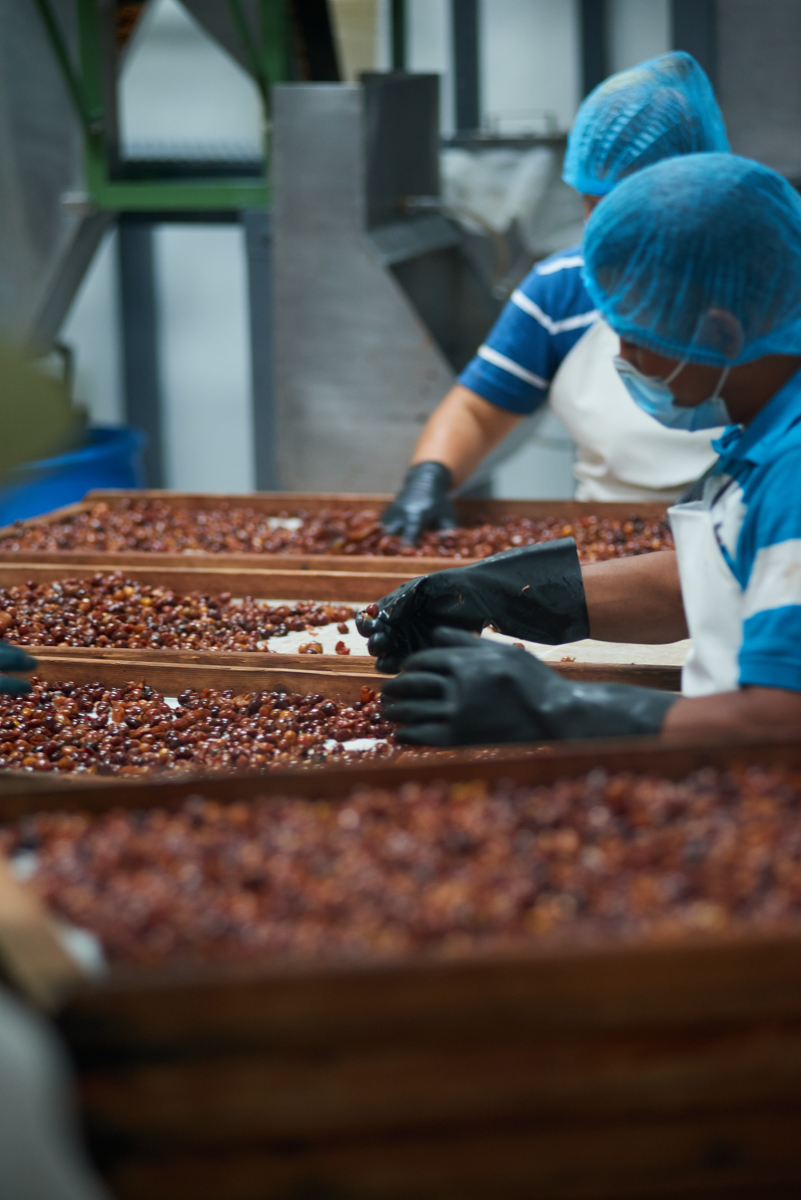
When coffee is processed, the layers of skin, fruit, and parchment are broken down and removed, leaving behind the seeds we roast and brew. Those discarded layers once provided life and protection to the seeds, but don’t have to all go to waste. The skin of the coffee cherry can be dried and sold as a singular product called Cascara.
Cáscara is a Spanish word that translates to peel, shell, rind, husk, and skin. Countless organic and inorganic objects have an outermost layer, so it’s important to note that this Spanish word isn’t exclusive to the coffee cherry. As this product has trended in interest over recent years, though, “Cascara” has become the moniker for dried coffee cherry skin.
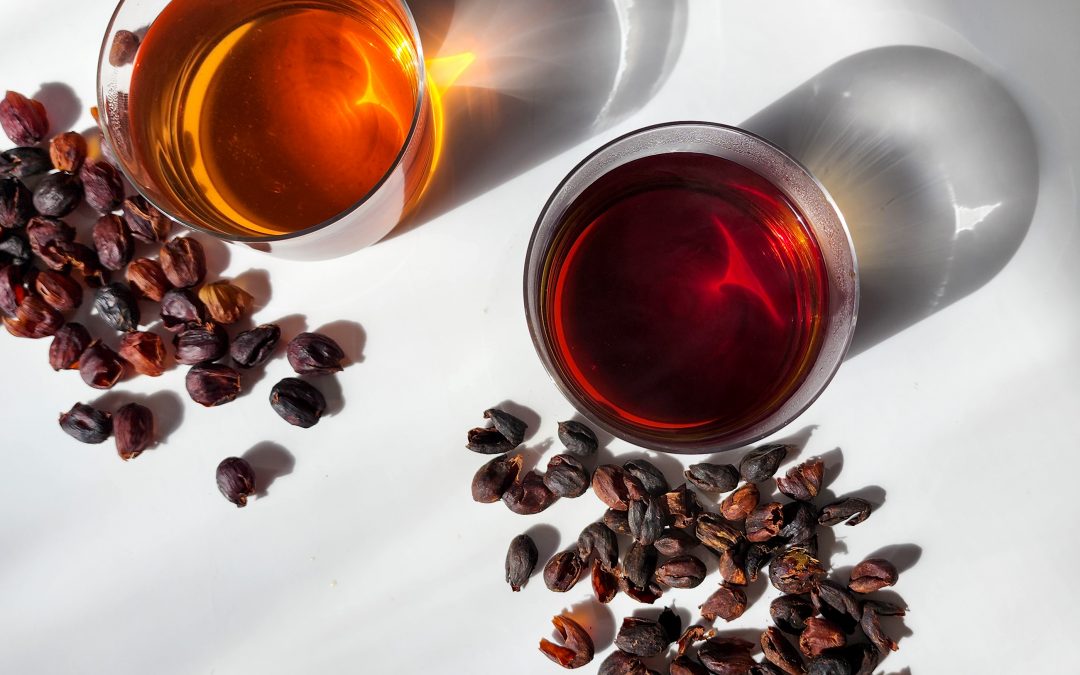
This dried fruit skin can be brewed with hot water to make a tea-like beverage that carries the flavor of the dried coffee cherry into the cup. For those that have never tasted it, it has a tart, raisin-like flavor with a mild fruit rind bitterness that is fascinating on its own and can also be used as an ingredient in a mixed drink.
Why Cascara?
Specialty coffee shops have evolved into a morning convenience and a culinary experience. Our culture’s appreciation for fine food and drink has led cafes to curate menus that offer high-end coffees, specialty teas, seasonal signature drinks, and full-service food options. How does cascara fit into this service model?
Simply said, cascara is coffee. It’s a singular ingredient from a coffee tree. Seeing, touching, and smelling the skin that encases the seeds we’re so familiar with deepens our understanding of the plant. This tactile encounter with the cherry continues the education that cafes offer their customers. It provides another moment for questions to be asked, cultivating more trust between the barista and the coffee drinker. Ultimately, serving cascara places more impact behind the fact that, above all else, coffee is an agricultural product that must be carefully tended to if it is to become our everyday beverage. For producers, cascara can be another source of income rather than a byproduct. If producers sell their cascara, then less time and resources are being spent on disposing or composting. Offering cascara is one more small way cafes bridge the gap from producer to consumer.

Brewing Suggestions
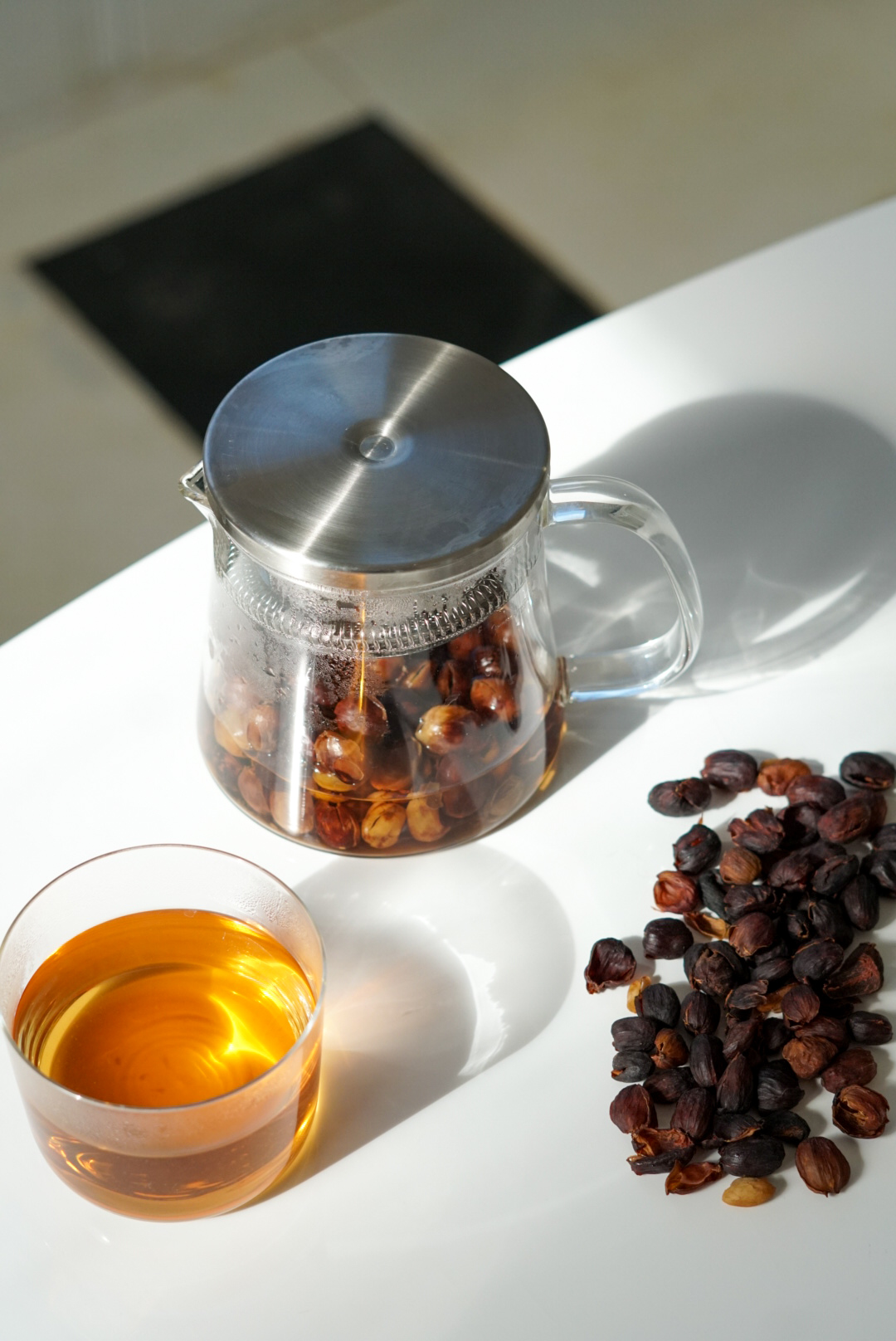
Cascara is brewed like tea – steeped in hot water. The beverage is a unique expression of coffee with about a quarter of the caffeine. There is no standardized recipe to brew cascara, so we recommend you experiment with the cascara-to-water ratio to determine your desired concentration. We suggest brewing with a similar concentration to black coffee (1:16). For cafes, recipes can be scaled up or down as needed.
Hot Cascara Tea
- 10oz brew: 24g cascara steeped in 400g water at 205-208° for 5:00
Iced Cascara Tea
- 16oz iced brew: 24g cascara steeped 200g water at 205-208° for 5:00. Strain and immediately dilute with 200g of ice to chill, and then add ice.
Batch Brew Cascara
You can even use your batch brewer for large quantities! Dose the dry cascara into a large water pitcher and run a brew cycle onto it. After the cycle is done, filter the cascara out through a strainer or toddy filter. Bottle the tea, refrigerate, and use for service.
- 1-gallon brew: 230g cascara to 1 gal (3785mL) water at 205-208° for 5:00-7:00.
Signature and Seasonal Drinks
The dried-fruit sweetness and fruit-rind bitterness of cascara are reminiscent of dark liquor, and that’s a great way to approach the ingredient when creating a signature drink. Cascara pairs wonderfully with citrus acids, spices, and fruit or sugar-browning flavors. Adding flavored syrup to cascara tea is a simple starting point for creating a unique drink. For more complex drinks, try brewing a cascara concentrate or creating a syrup.
Concentrate suggestion
You can brew cascara as concentrated as needed. I suggest starting with a 1-to-10 ratio and using small amounts of the concentrate as an ingredient in drinks.
- 12oz of concentrate: 40g cascara steeped in 400g water at 205-208° for 5:00
Drink ideas using cascara concentrate
- Dark and Stormy inspired:
- 3 oz cascara concentrate + 6oz ginger beer + 1oz simple syrup + .5oz lime juice + ice
- Arnold Palmer inspired
- 3oz cascara concentrate + 4.5oz sparkling or still water + 1.5oz lemon juice + 1.5oz simple syrup
Cascara Syrup suggestion
There are two approaches to infusing cascara into a simple syrup. The first method is to make a simple syrup by boiling a 1:1 ratio of water and sugar until the sugar dissolves and then adding cascara to the hot syrup, infusing for 5-10 minutes before straining and bottling. The other method is to brew a cascara concentrate and then boil that concentrate with sugar to create the syrup. Add other ingredients to create a unique flavor for your menu!
Cascara syrup works wonderfully in fall drinks. Try it in a latte, chai latte, or apple cider.
Cafe Imports’ Cascara Offerings
Costa Rica Helsar de Zarcero Coffee Cascara Tea 19715
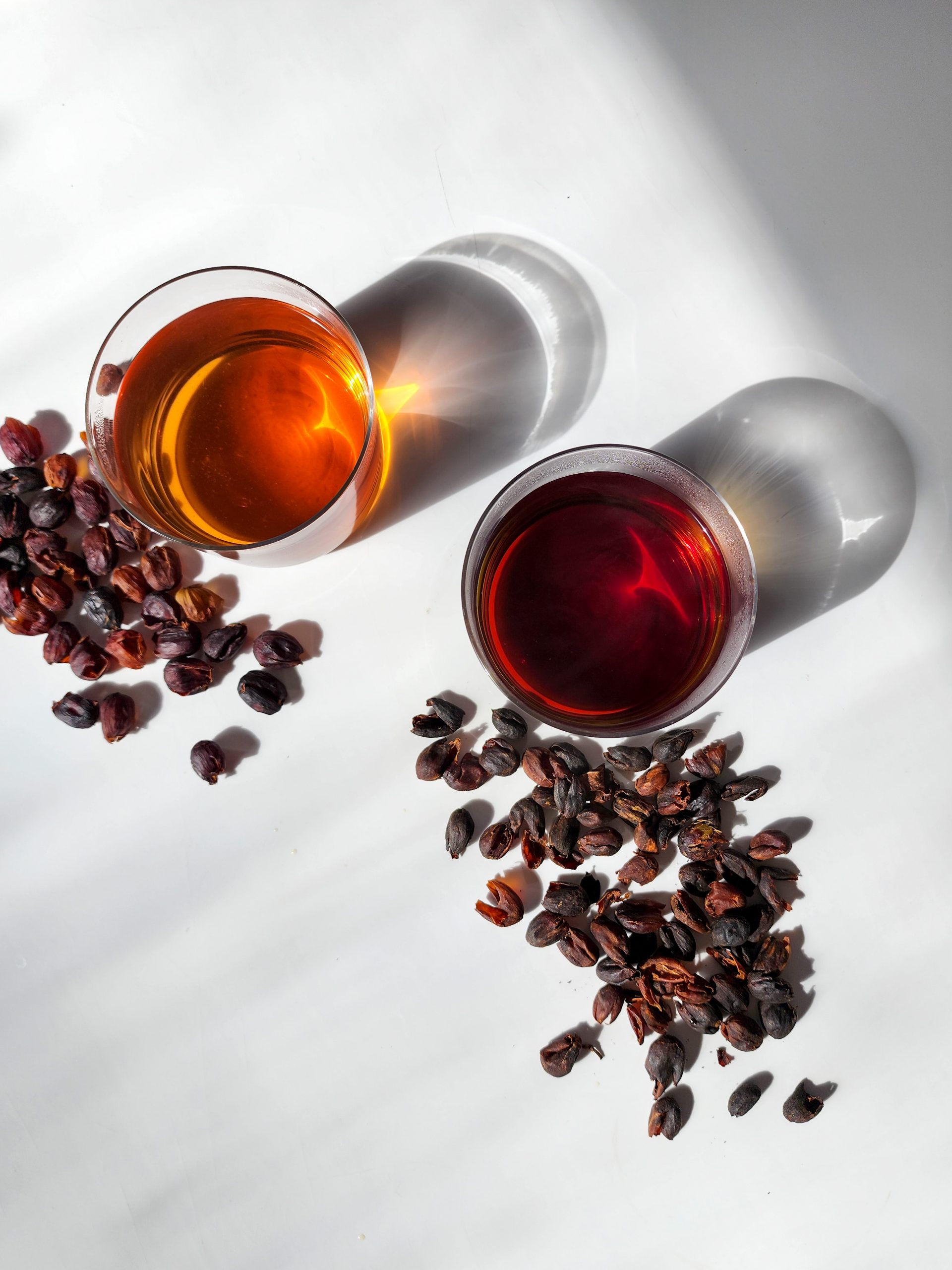
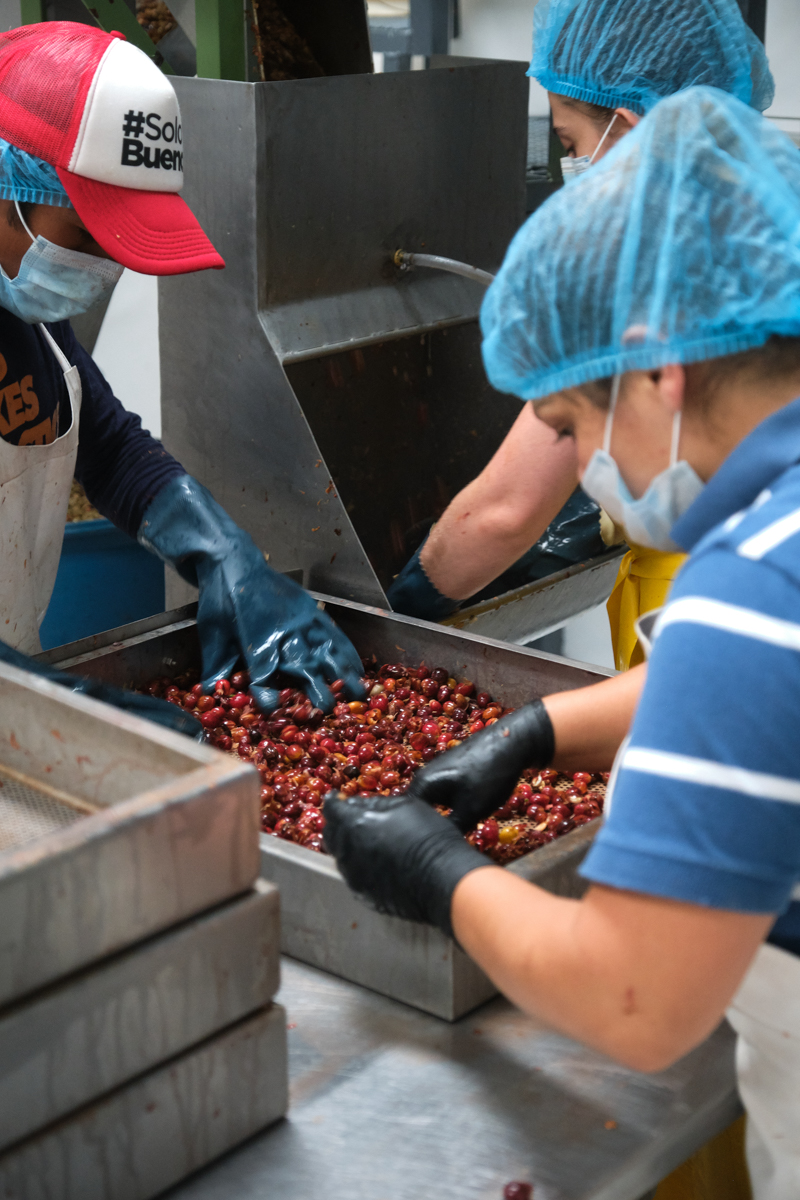
The coffee that contributes to this lot was specifically picked to become cascara. After the coffee was harvested and depulped, the cherry skins were washed, pasteurized, and dehydrated in a sterile facility. The intentionally in the cascara’s production results in a pristinely clean cup that reminds us of a crisp dry cider. You can see the impact of the processing in the look of the cup itself – it’s golden and transparent. This cascara is excellent on it’s own, or as a flavored iced tea.
Flavor Notes
- Aroma: Apple cider, slightly floral, wood
- Flavor: Tart citric acidity with flavors of apple juice, slight florals, and a lingering oolong tea and woody aftertaste.
- Body: Silky, round, and medium-weight.

Brazil Espirito Santo Fazenda Camocim Biodynamic Coffee Cascara Tea 18780
Brazil’s coffees are known for their heavy texture, deep sweetness, and nutty bitterness. This cascara emulates those traits when compared to the Costa Rica cascara. This Brazil cascara brews dark red, with a heavier red-fruit sweetness and an earthy finish. This offering would excel as a concentrate or syrup, bringing a strong cascara flavor to any drink of your invention. As a tea, the drinking experience changes drastically from hot to cool. The tea is heavy and sweet when hot transforming into bright and mouthwatering as it approaches room temperature.
Flavor Notes
- Aroma: Wood and plum
- Flavor: Tart apple acidity with flavors of raisin, dark cherry and caramel followed by an earthy, drying aftertaste like black tea.
- Body: Lightweight and tannic like black tea.


Coffee Cascara brings ecologically and economically-conscious concepts to your menu while presenting something that might be brand new to your customers. Again, there is no standardized way to use Cascara. Enjoy it as a tea or use it as an ingredient! We think you’ll be surprised by its complexity, versatility, and potential for education among staff and consumers.
Earlier Posts

Viva Colombia: Introducing the “Regional Select Project”
We have just completed nearly 6 weeks of cupping Colombian offers from the June-July harvest which comes primarily from the South (see map below) of the country; both Principal harvests and Mitaca (fly) crops and we have some really great coffees coming. These coffees...

Origin Report: Sulawesi 2013
Sulawesi (Celebes), was influenced and controlled by the Netherlands from 1605 until World War II. In 1669 the Dutch East India Company took control of the trade in Sulawesi. The Dutch built Fort Rotterdam in Ujung Pandang (now Makassar) in the mid 1600’s and not...
Video: Rodrigo Silva Producer Profile
This is a video of Rodrigo Silva, a producer of the group Primaveral in Acevedo Colombia. We will have an incredible microlot from him later this year that we cupped in Colombia November 2012. Really amazing stuff. On a mobile device or want...
VIDEO: Arnulfo Leguizamo of Los Naranjos Shares His Approach
On a mobile device? View the video HERE Arnulfo Leguizamo COE Secrets from Noah N on...

Rust Fungus in Colombia
In the last 2-3 years we have seen a shortage of Colombian coffee that has contributed to the high Colombian differentials (prices) and also has contributed to the worldwide coffee shortage, being the world’s largest washed coffee producer. All of the...

Origin Report: Mexico 2011
Chiapas March 2011: El Triunfo coop CESMACH coop, Union el Triunfo By: Tim Chapdelaine People take back Mexico. The final panel in the extraordinary Diego Rivera Mural in El Palacio Nacional, Ciudad Mexico. The Diego Rivera mural is magnificent. His friendship...

Origin Report: Guatemala 2011
Guatemala Origin Trip This year’s origin trip brought together two Café Imports staff, 16 wonderful guests and one very special little girl. To put it mildly…the experience was outstanding. Anacafé graciously hosted our event...

Origin Report: Kenya 2011
Amazing! Another year where the Kenyan coffee situation looks to be worse than the previous record bad year. The Millers and Marketers association just announced that due to a sharp revision down in supply, auctions would only be held every two weeks. This is the...

Origin Report: Ecuador 2010
From October 27th to 29th I was honored to be a part of the “Taza Dorada,” or Golden Cup, in Quito, Ecuador. This competition seeks to identify the best coffees of Ecuador and to show what Ecuador can bring to the specialty coffee market. A group of...
Wrapped & Strapped: A Year In Review
If there’s one major takeaway that all of us at Cafe Imports have come to realize over the recent past, it’s this: Coffee finds a way. In times of both calm and calamity, we turn to coffee to encourage our creativity, to fuel our drive and passion, to keep us...

Origin Report: Peru 2006
Boiled Potatoes and Goat Cheese: Peru 2006 Of course one of the greatest perks of working in the coffee industry is the opportunity to travel to far away places and meet people on the other side of the business. These working relationships are the backbone of Café...