
Costa Rica 101 Trip: A Recap
Costa Rica is close to the heart of Cafe Imports. It’s the only place we’ve instituted an in-country export office, called Oxcart Coffee. Luis Arocha (Green Buyer) and Adriana Abarca (Traffic Associate) operate there, cultivating relationships with producers, organizing logistics, and hosting cuppings. Creating a sister company in Costa Rica made sense because of our long history of sourcing microlots directly from micromills. Oxcart works with over ten independent micromills whose warehouses are full of uniquely processed microlots. The producers focus on their craft through continual experimentation and progress. New varieties, hybrids, and processes directly impact the world of specialty coffee, and we witness it firsthand every season.
Costa Rica is beautiful and full of coffee experiences making it perfect for Coffee 101 trips. Coffee 101’s are educational excursions designed for coffee professionals of all experience levels to learn about coffee in the field with us. Any of our roasting partners are invited to join the Costa Rica adventure. These trips are fun and in-depth, allowing the group to gain a deeper understanding and appreciation of the nuances of coffee production and processing.
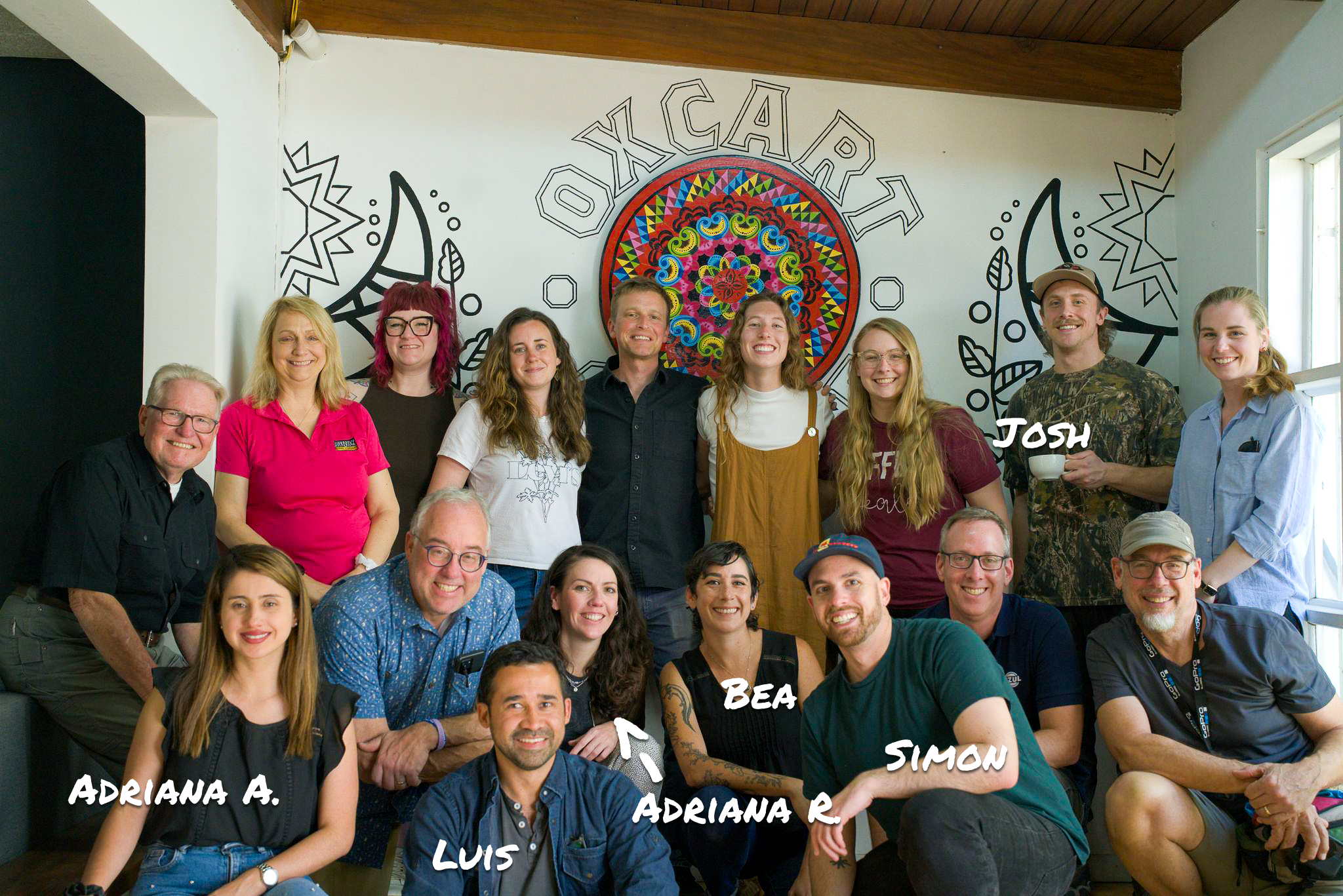
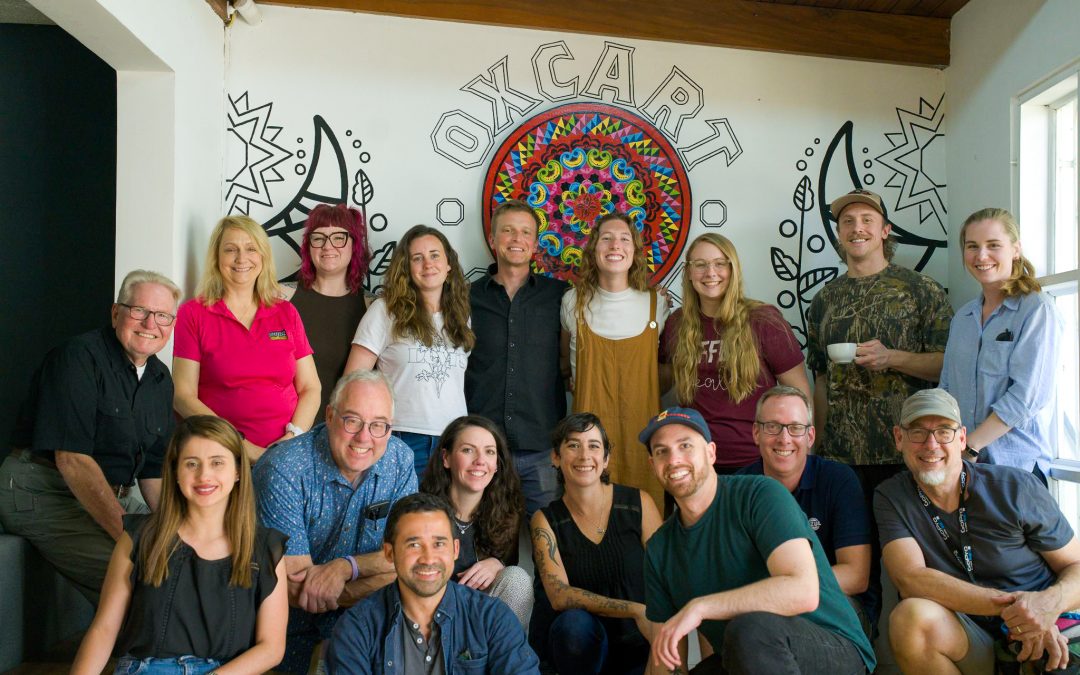
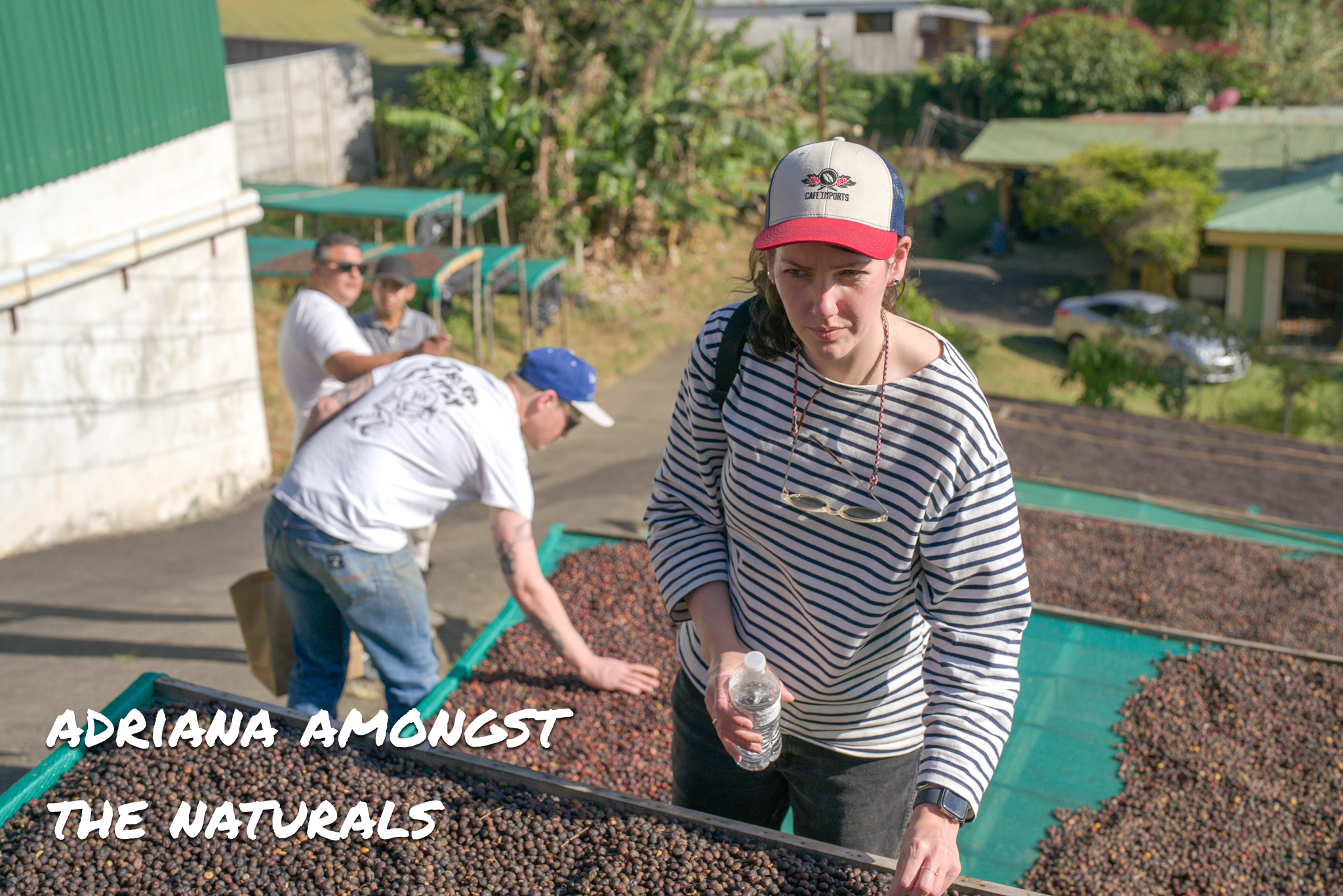
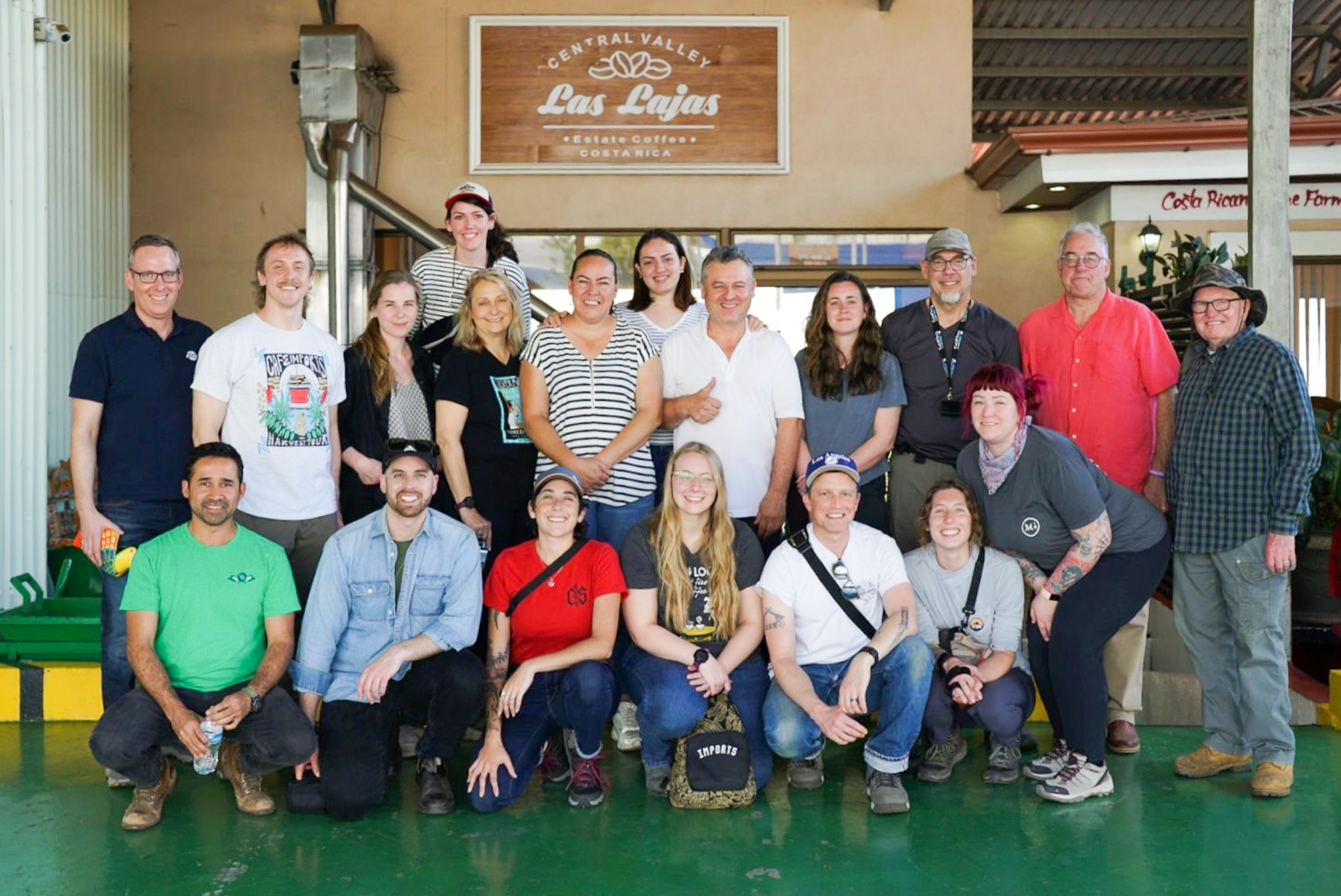
We hosted two trips this year: February 19-24 and February 27-March 3. Luis and Adriana of Oxcart hosted eleven attendees from seven roasteries on the first trip. Some Cafe Imports staff were along for the ride, including Simon Odentz (US Sales), Bea Macias (Sourcing Liaison), Adriana Rehn (EU Senior Sales), and Josh Rice (US Customer Service).
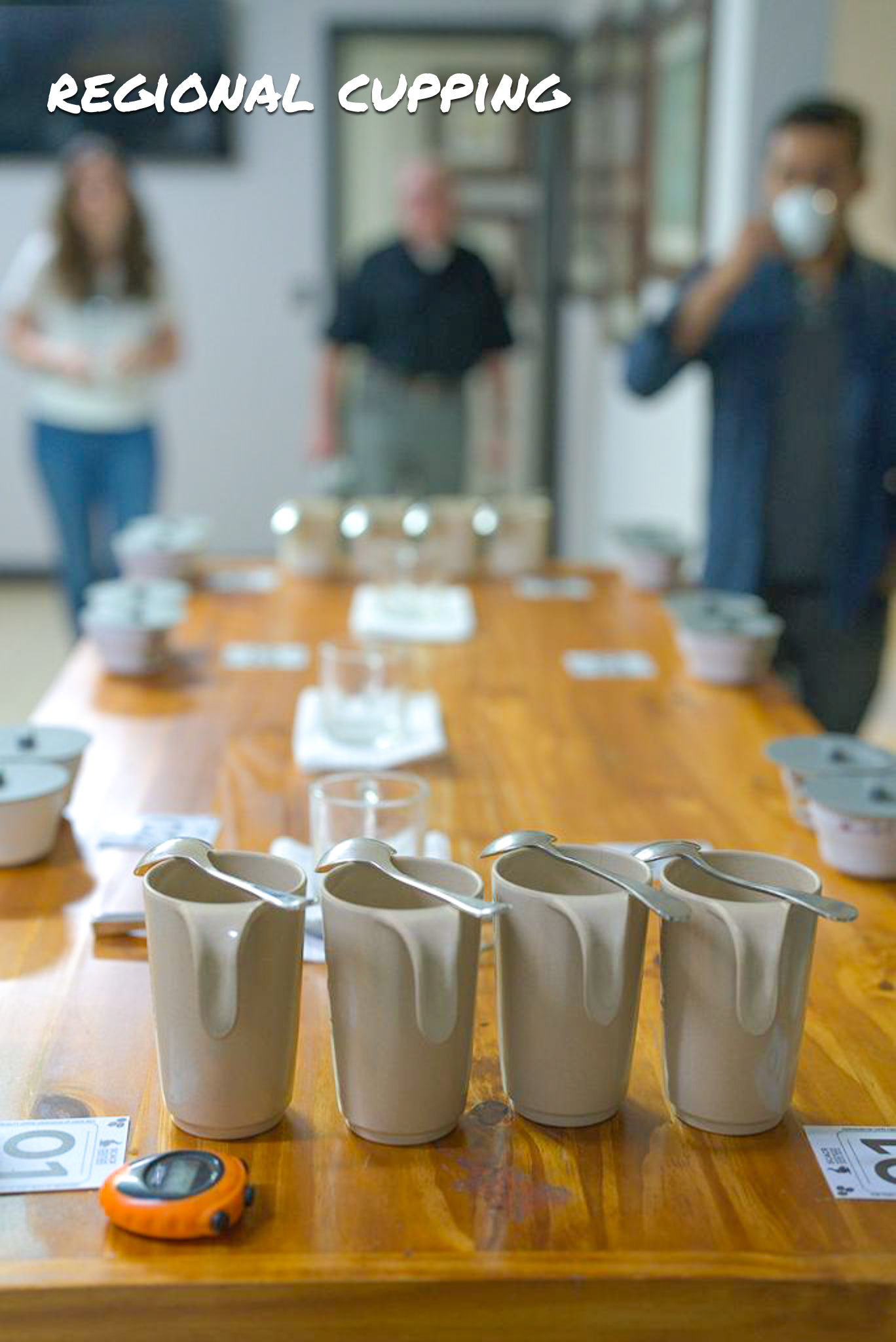
They stayed busy over the four days visiting four micromills – Cerro San Luis, Coopelibertad, Las Lajas Micromill, and Don Sabino Micromill. They toured ICAFE (Instituto del Café de Costa Rica), the SCACR (Asociacion Cafes Finos Costa Rica), and Oxcart. It’s impossible to summarize the collective insights of all who went, but a few of Cafe Imports’ team members traveled home with wonderful reports that we’re summarizing here.
Thank you to Bea, Adriana, Josh, and Simon for their details, photos, and experiences.
Going to any coffee-producing country is a humbling reminder of the work required to push the industry forward and how dynamic coffee production is from farm to farm. If you’re new to coffee or are ready for a renewed look at where coffee comes from, keep up with our Resource page. We’ll post more 101 Trips in the future, and you’re invited to learn with us.
Day 1
Cerro San Luis
West Valley, 1650masl
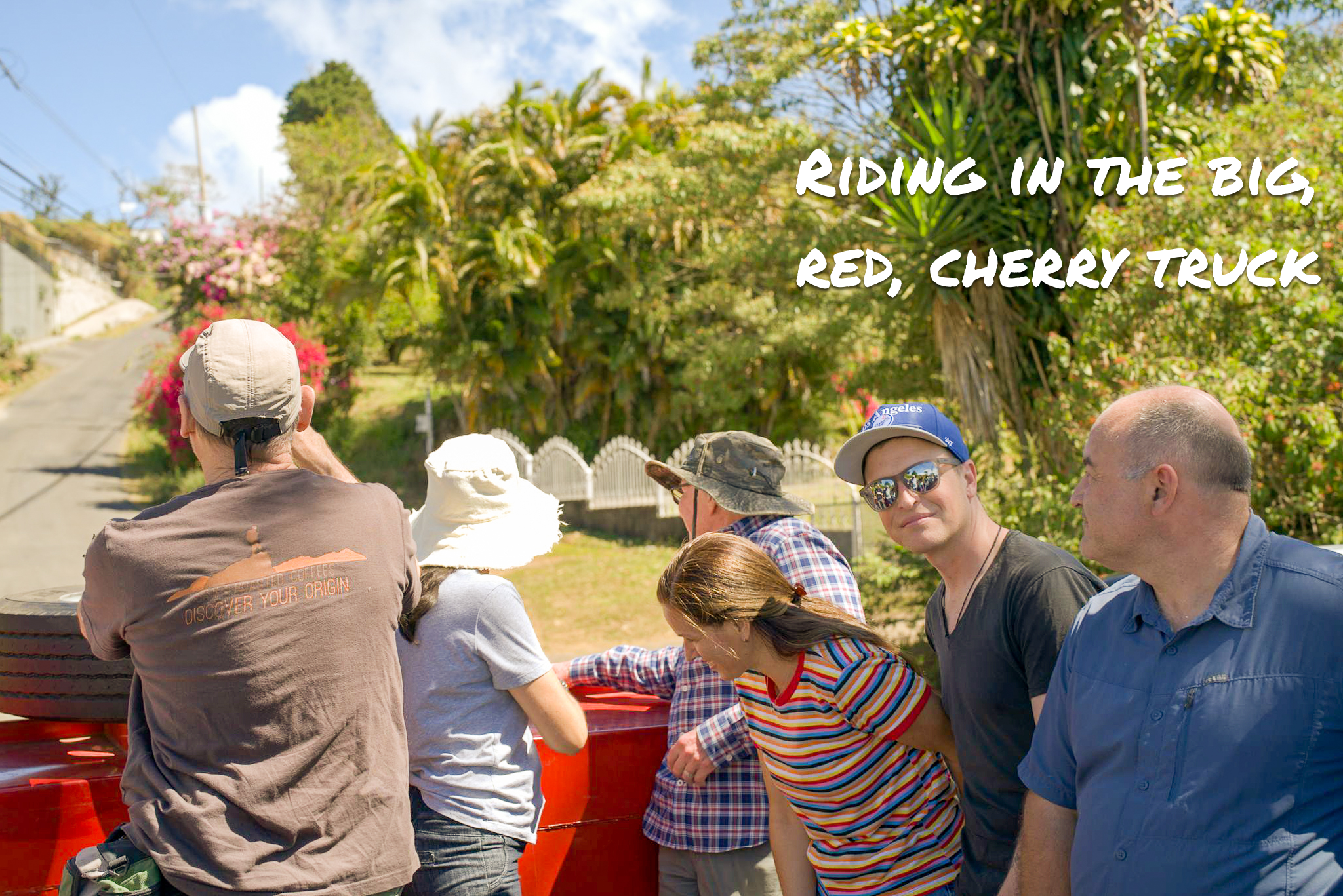
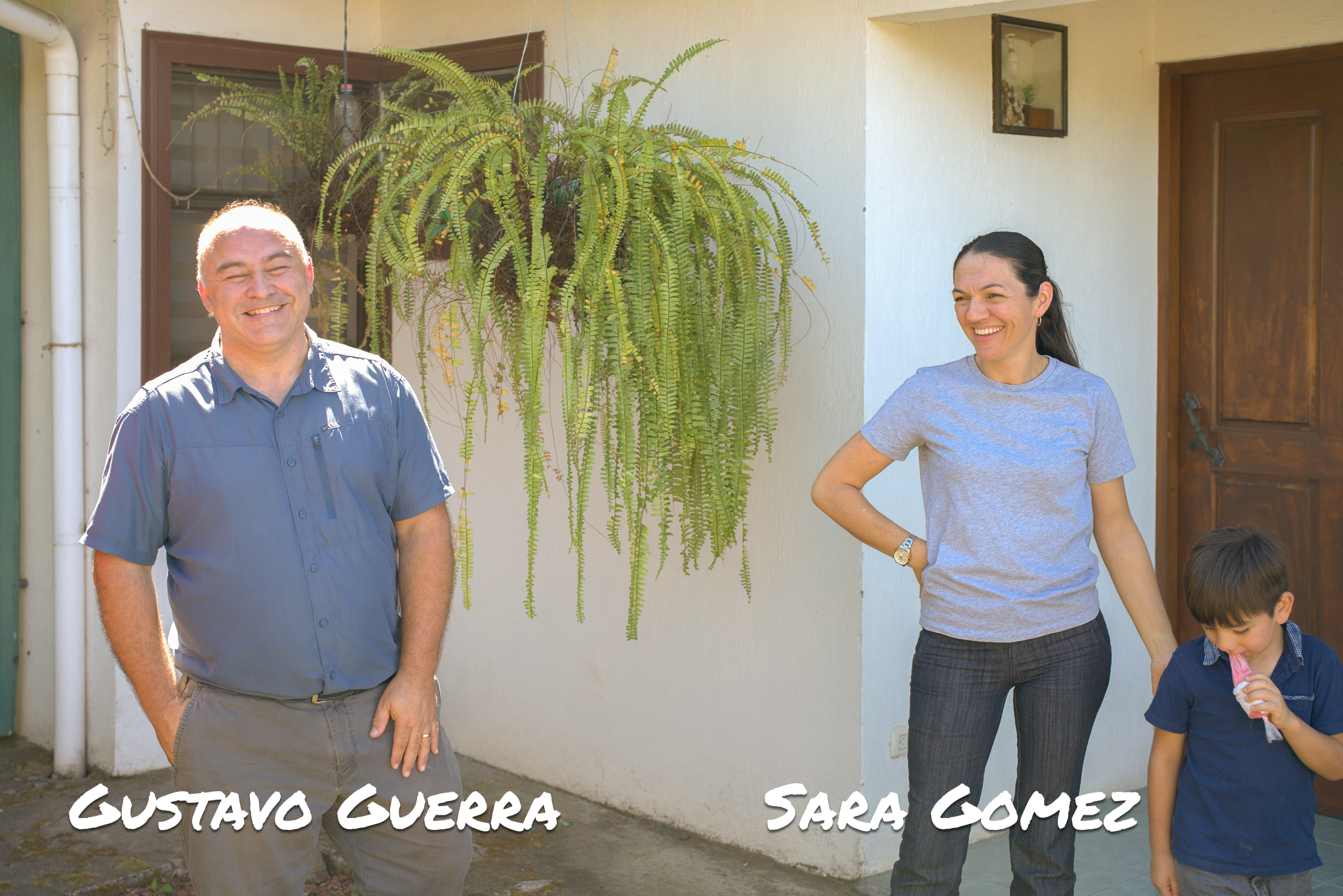
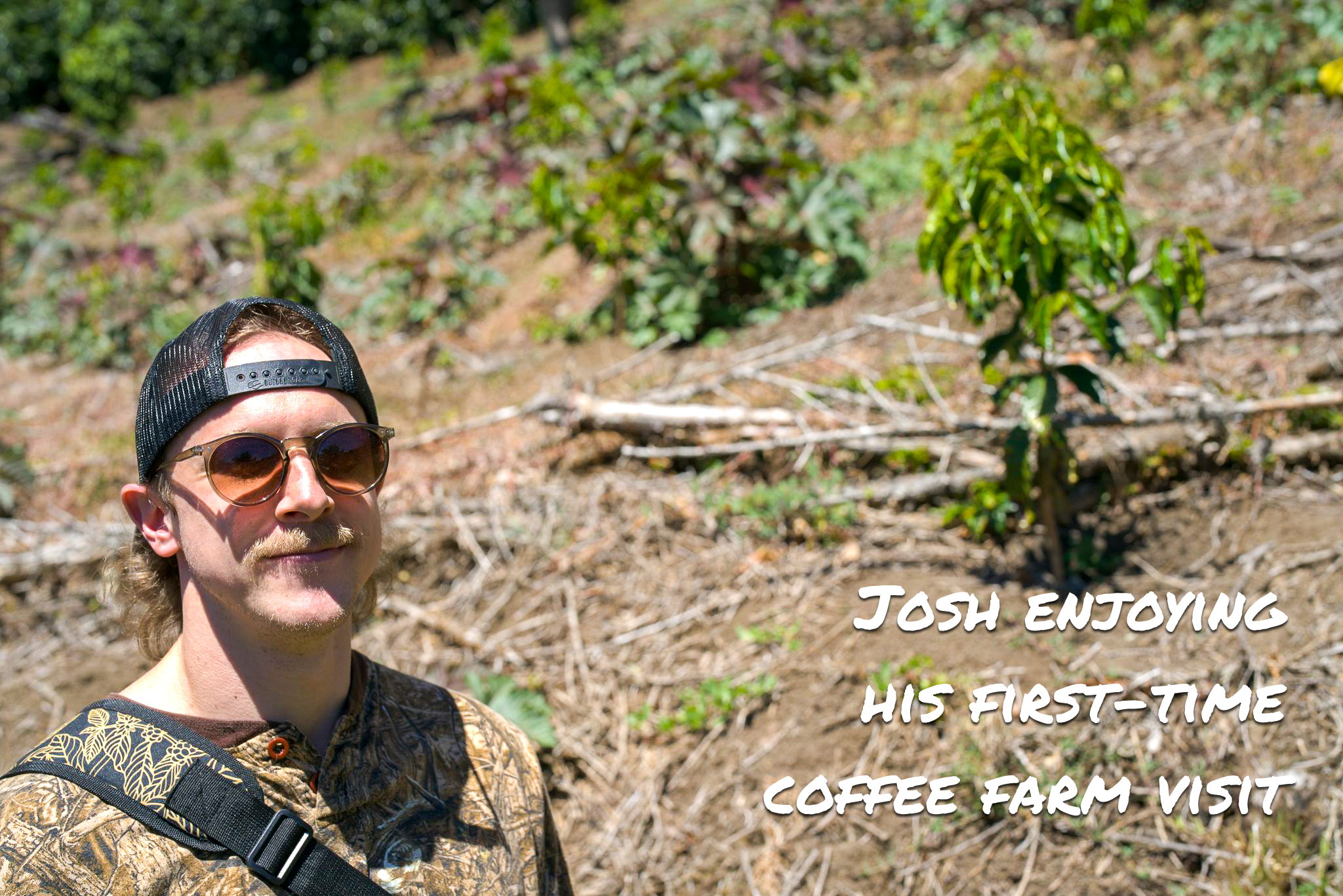
This coffee project is operated by two siblings and their spouses, Alexander and Sara Delgado and Gustavo and Magaly Guerra. They are fourth-generation producers – fifth if you count their children. Cerro San Luis is a wet and dry mill, a lab, a greenhouse with African raised beds, and six coffee farms. The group arrived that morning at the producer’s home surrounded by Laurina-variety coffee trees. They were welcomed by the entire family and invited to jump into a big red dump truck (typically used for cherry collection). It sped up a winding, hilly road to Alquima, one of their farms. Alquima is near a wildlife reserve and hosts many migrating animals, including deer, rabbits, squirrels, birds, and eagles. There is an abundance of flowers and fruit amongst the coffee serving as nourishment for the bees, soil, and pickers. Cedar and cypress trees surround the perimeter, providing shade and acting as a natural barrier between properties. The farm is fairly open, though, allowing the coffee to receive over eight hours of sunlight daily while the cool winds from the neighboring reserve protect the coffee from the heat. Once amongst the rows of coffee, Gustavo explained their farming strategy. The family puts time and effort into understanding their varieties. Cerro San Luis currently cultivates 15 varieties, nine of which are in production and the other six in testing. The testing process takes at least three years, but maximizing a variety’s potential is a priority for the Delgados and Guerras. They first observe how much sun, wind, and shade will spurn a particular variety to thrive, along with its susceptibility to bug damage and rust. Then, they test-grow 100 trees in different farm areas before determining the best-suited hill for that variety. This research phase is a massive investment, but capitalizing on a coffee’s production and quality is worth it. They practice organic farming even though they don’t hold the certification. Ten year-round employees work on the farms, but Cerro San Luis employs 40-50 seasonal workers during harvest. Cerro San Luis focuses on white and yellow honey processing and the coffee is dried on covered raised beds. Josh and Adriana noted just how kind and hospitable the family was. The passion and care for their coffee was palpable. Every step of their operation is tested and intentional. This experience was a highlight of the trip for Josh – it was his first time on a coffee farm.
Coopelibertad
Central Valley, 1450-1600masl
This cooperative mill has an incredible origin story. On April 9, 1961, smallholder producers in the Province of Heredia came together to resist being bought out by large, private companies to secure their freedom and livelihoods. At that time, producers lacked technical assistance and financing. They risked losing their farms to profit-focused coffee conglomerates. That day, they formed a cooperative and appointed a Board of Directors. Mr. Luis Omar Chavarria, newly appointed Vice-President said:
“This Company was born as a protest of small coffee growers, who in turn saw in the union of their efforts the opportunity to be free to manage their small businesses as they please and once and for all, to never be subject to the whims of the wealthy. I propose that our Cooperative bear the name of COOPE LIBERTAD R.L.”
The name was accepted unanimously.
Today, Coopelibertad operates a wet mill that receives cherries from Central Valley and Tarrazú producers. They work in 25 communities, and around 1,200 smallholders contribute to 23 collection points. Producers are paid on the spot by volume (unlike most countries that pay by weight). Our 101-ers visited their massive Central Valley mill on a day the power was out. A Coopelibertad green buyer, Martin Padilla, met everyone with hardhats for the tour. They walked through the mill observing the 22 collection tanks and canals, rows of various fermentation tanks, 26 huge mechanical dryers, and 12 silos that store up to 5,000qq of parchment each. Around 110 containers of green coffee move through the mill each year. The Cooperative’s QC program is impressive, as well. All coffees are separated by size, density, and color and then cupped at least four times. Along with processing, drying, and storage, the Cooperative supports its producers. Each year, profits are allocated to programs that provide the producer-members with technical assistance, soil analysis, organic fertilizer, and other benefits. Despite the electricity being out, the group cupped in the coop’s lab after the tour. The wonderful staff heated the water over a gas stove and hand-ground all the samples. Adriana said it was “…another wow moment for all of us and an unplanned workout for the Coopelibertad’s cupper”.
Day 2
Las Lajas Micromill
Central Valley 1450 – 1600 masl
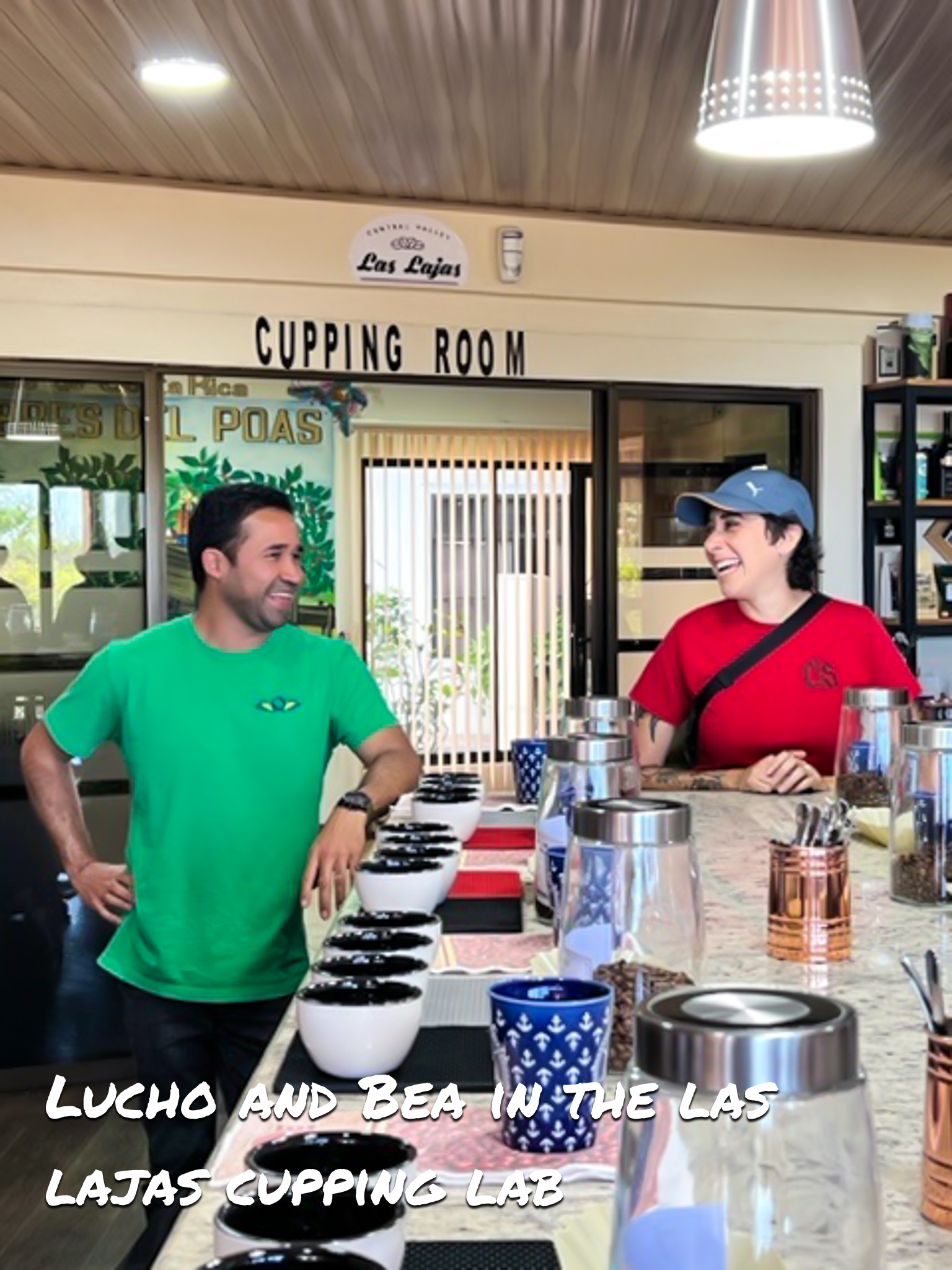
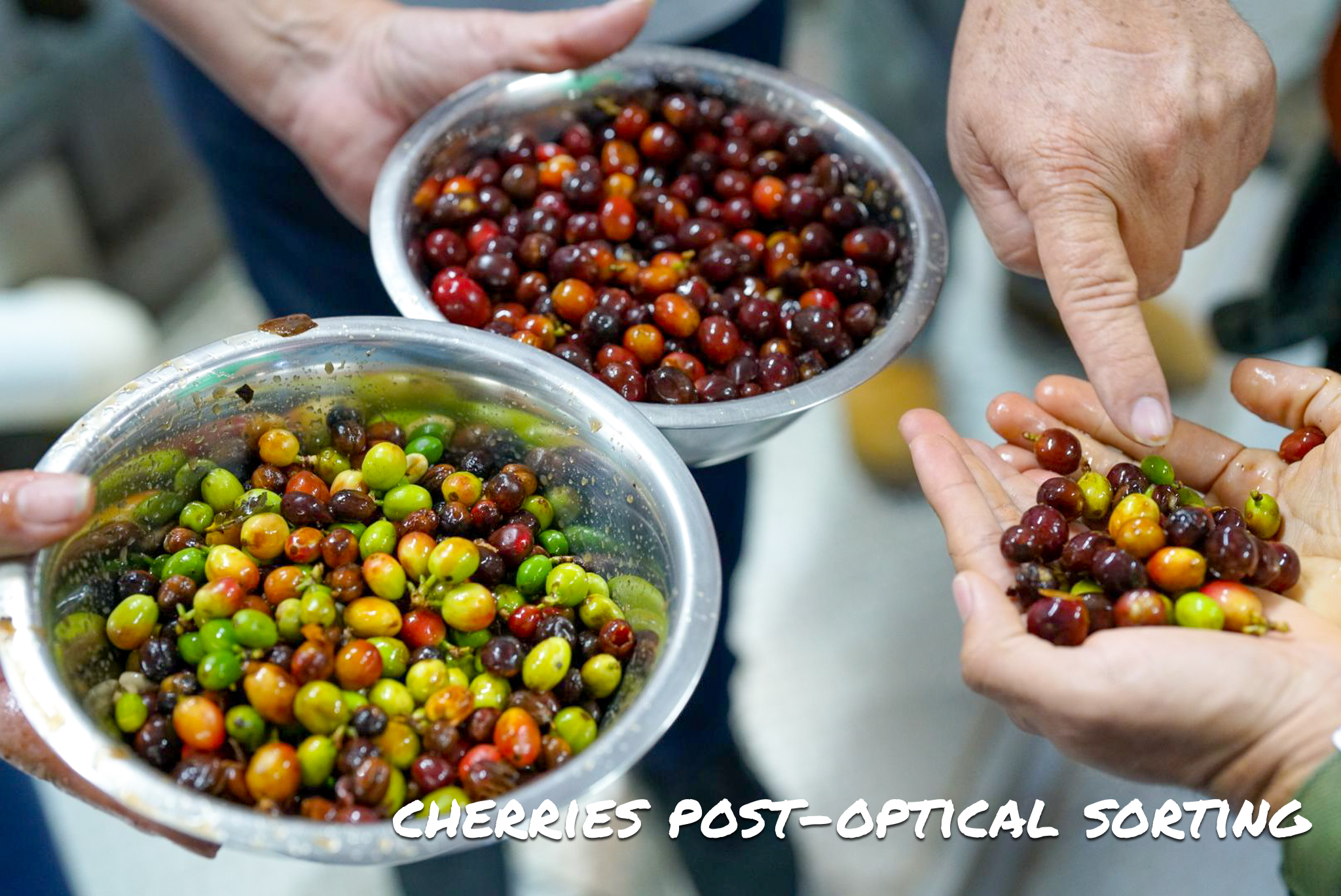
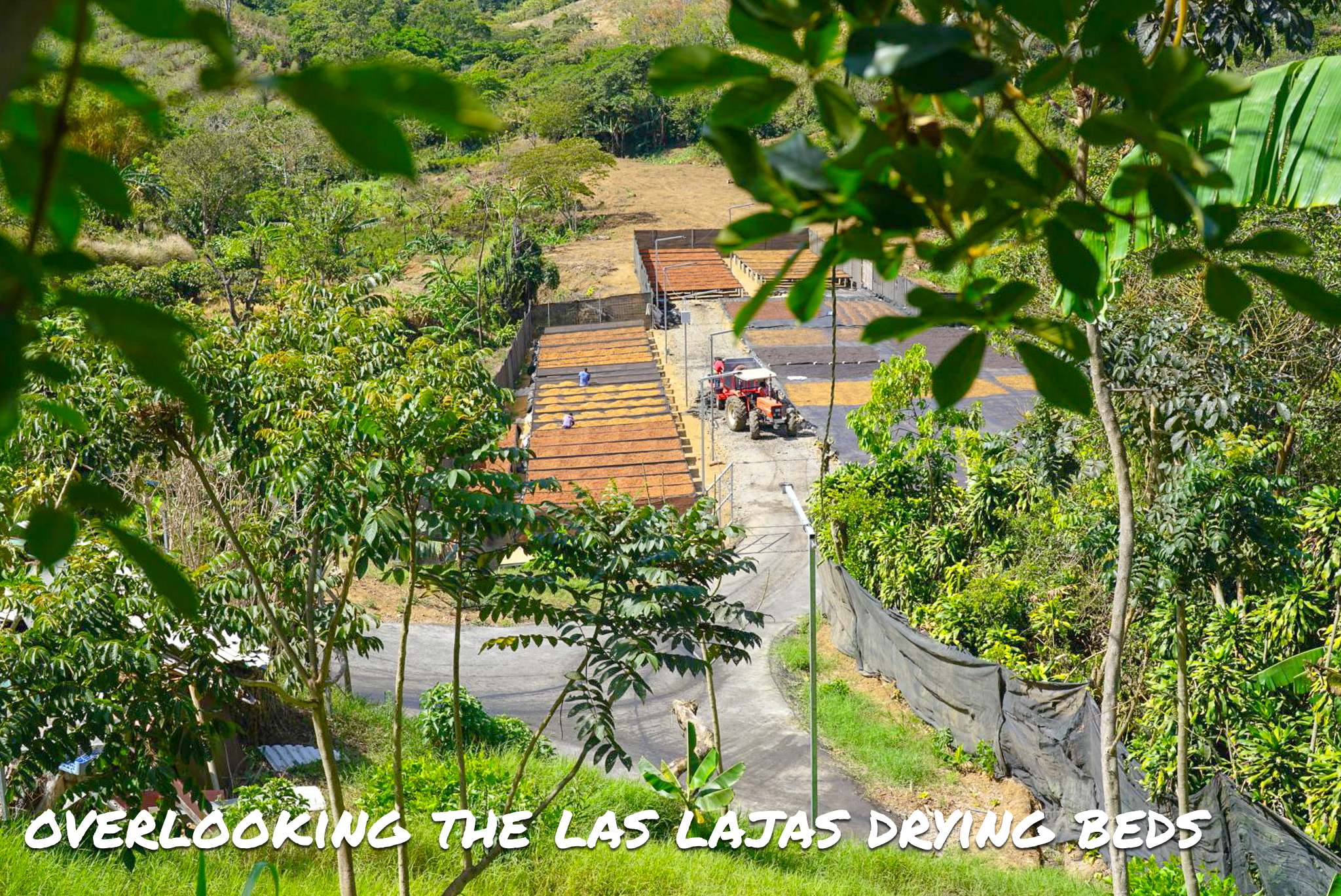
On the morning of February 21st, the 101-ers were excited. Nearly everyone on the trips had heard of Las Lajas before, and that was the next farm visit. Las Lajas is largely responsible for popularizing natural and honey-processed coffees, being the first to test these methods after the 2008 earthquake limited the water supply during harvest season. The visit didn’t disappoint. Francisca and Oscar Chacón, owners of Las Lajas, walked the group through the mill. Bea notes that “Las Lajas is…the most organized and quality-focused coffee project” she has been to. Everyone mentioned how sparkling clean and organized their facilities are. Adriana said it reminded her of her first visit to the Cafe Imports warehouse (which our staff keeps immaculate) describing it as “100% dedication no matter where you looked”. Las Lajas has planned the infrastructure for each processing step in a flow, like a winding conveyor belt through the property. They saw a running cherry color sorter along the tour, the washing area, the famous covered drying patio, and the storage facilities. Then, the crew was treated with a current harvest cupping in the lab following the tour. The spectrum of varieties, processes, and flavor profiles had roasters ready to purchase lots on the spot. The dedication, creativity, and attention to detail of Las Lajas are why Cafe Imports has imported their coffees for the better part of two decades. Thank you, Francisca and Oscar, for the experience.
Don Sabino Micromill
Central Valley, 1300-1600masl
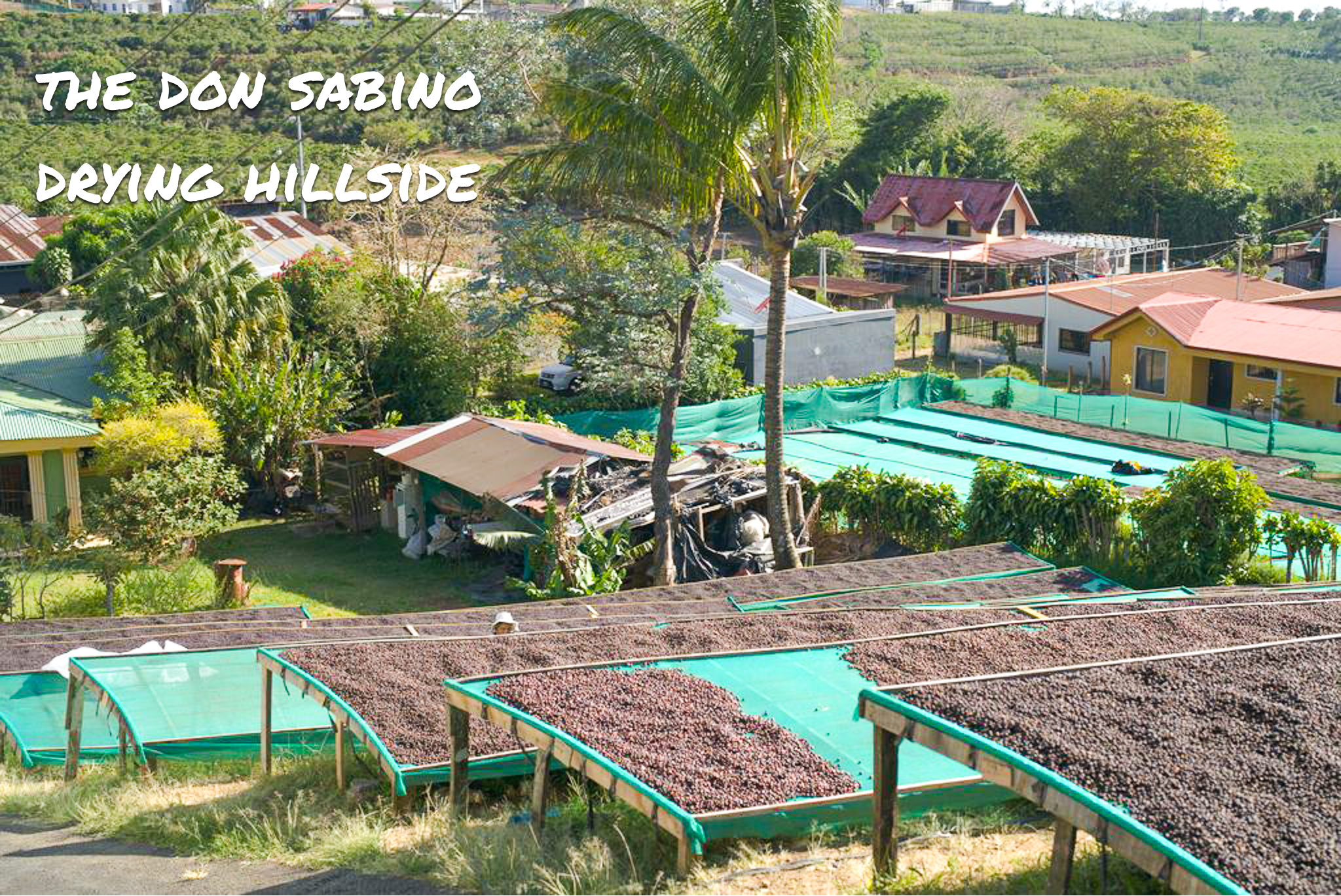
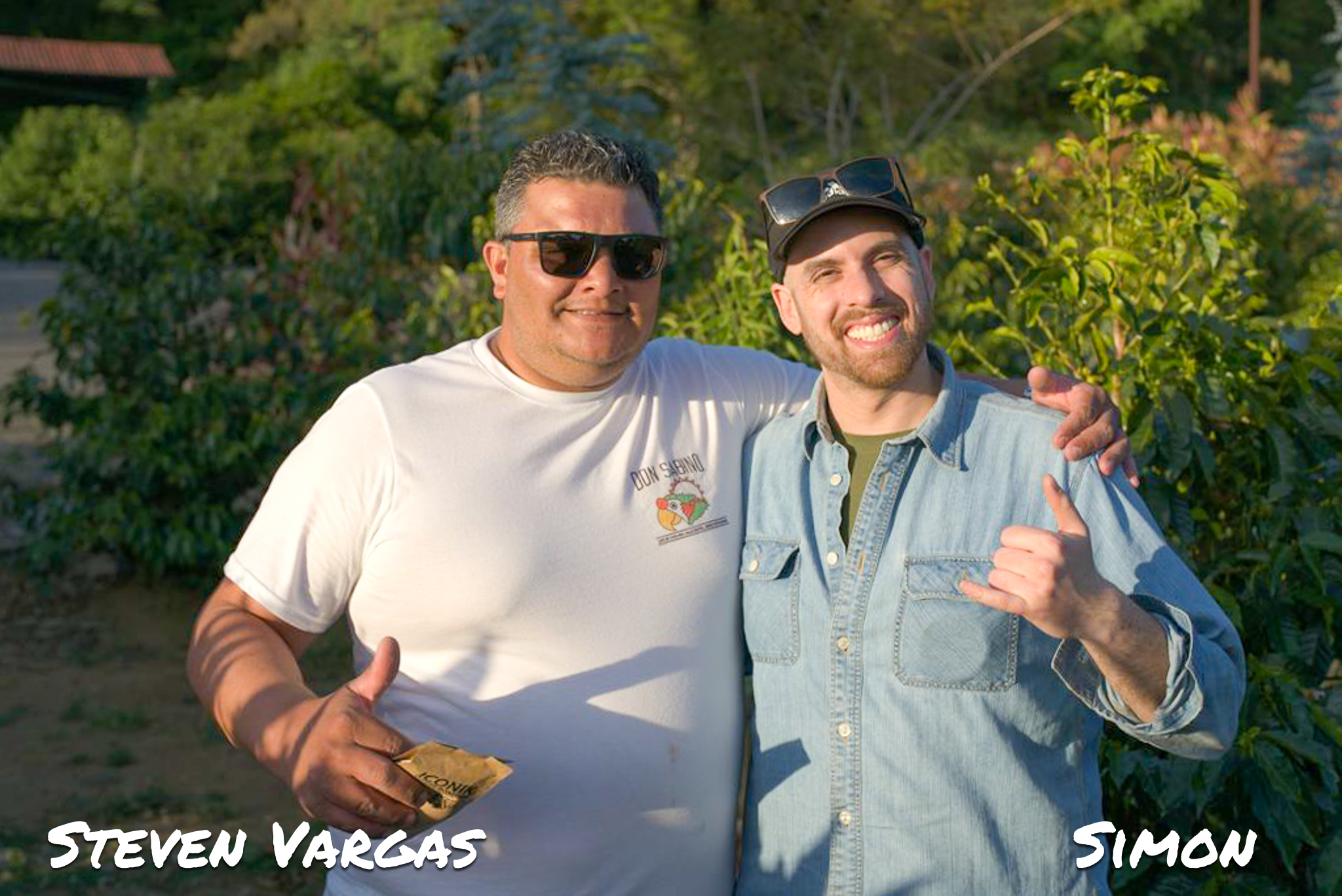
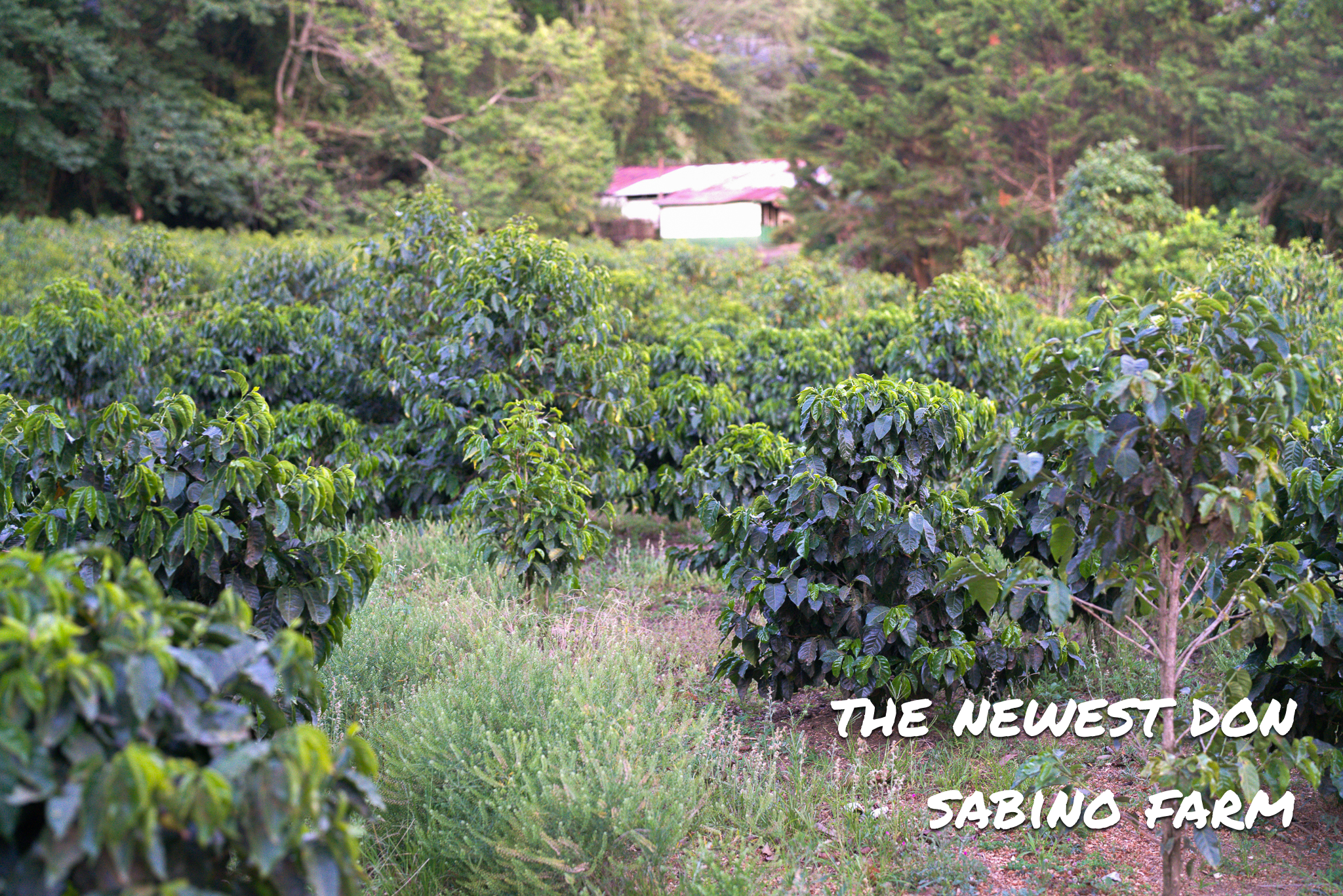
After lunch, Don Sabino Micromill was the next stop. Steven Vargas is the family mill’s 5th-generation owner and operator, originating from his great-great-grandfather. Steven is bursting with charisma and friendliness and is a long-time friend of Cafe Imports and Oxcart. The group strolled with Steven and his family to the micromill’s backyard. Once there, everyone looked over a hillside covered with rows of raised drying beds, with a view of the entire neighborhood and mountains beyond. Don Sabino Micromill focuses on natural and anaerobic natural processing, and all the coffee dries on this hillside. It’s one of the decisions that set Don Sabino apart from the rest of the producers in the area. The tour went through the mill with stops to smell dried cherries. After that, Steven bussed the group to a nearby farm where the Vargas’ recently planted Kenya varieties, namely, SL-28. He discussed the different growth patterns on the two hillsides of the farm and how to prune and exchange trees effectively. This area wasn’t used for growing coffee over 5 years ago, but climate change has made this altitude viable for cultivation. Throughout the day, Steven spoke of his relationship with Cafe Imports and how belief in his project has allowed Don Sabino to grow, invest in new technology and farmland, and improve their processing and storage. It’s beautiful to see these relationships evolve over the years. We greatly respect Steven and his family and look forward to his natural process coffees every harvest. Thank you for your hospitality and work, Vargas family.
Days 3 & 4
ICAFE (Instituto del Café de Costa Rica)
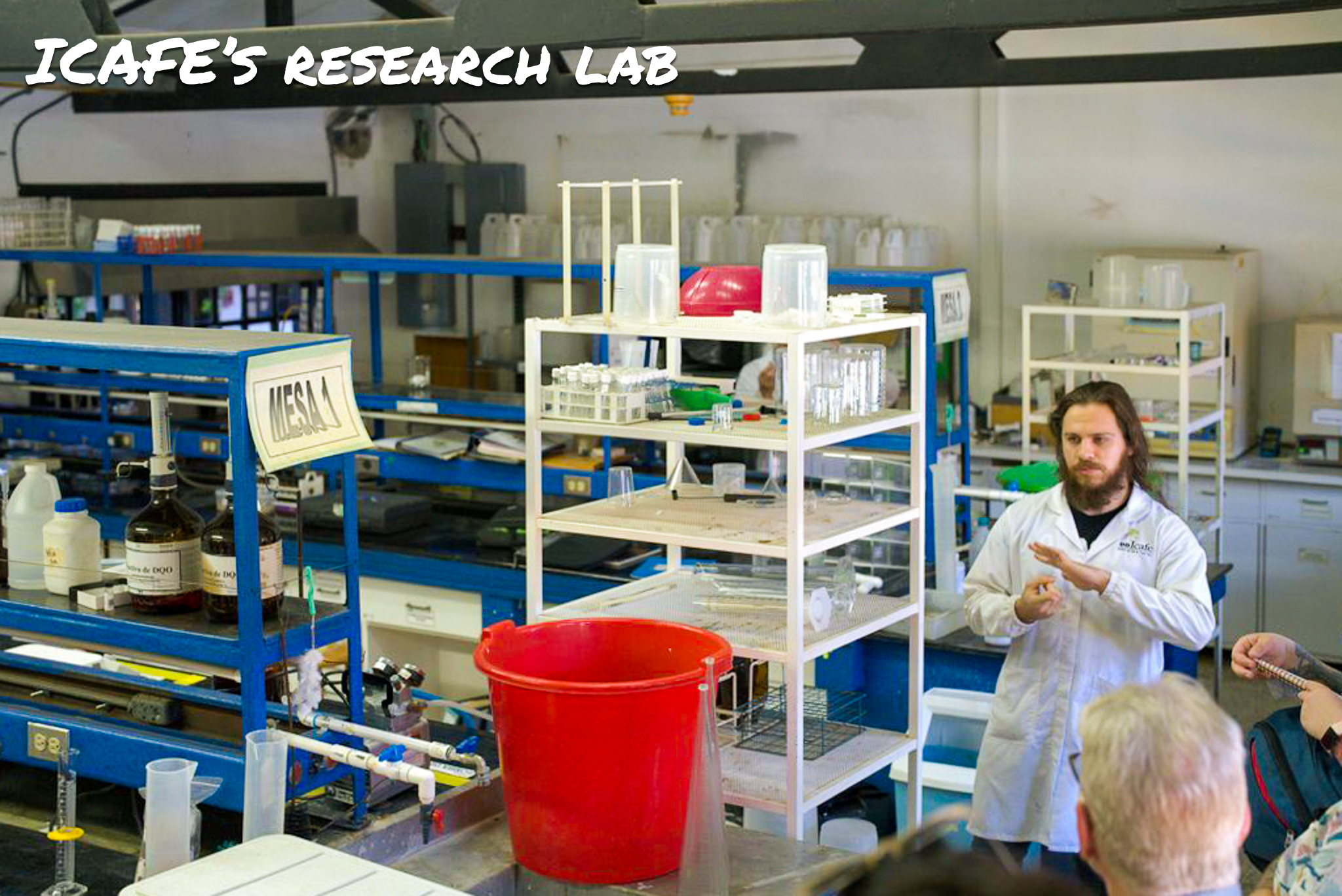
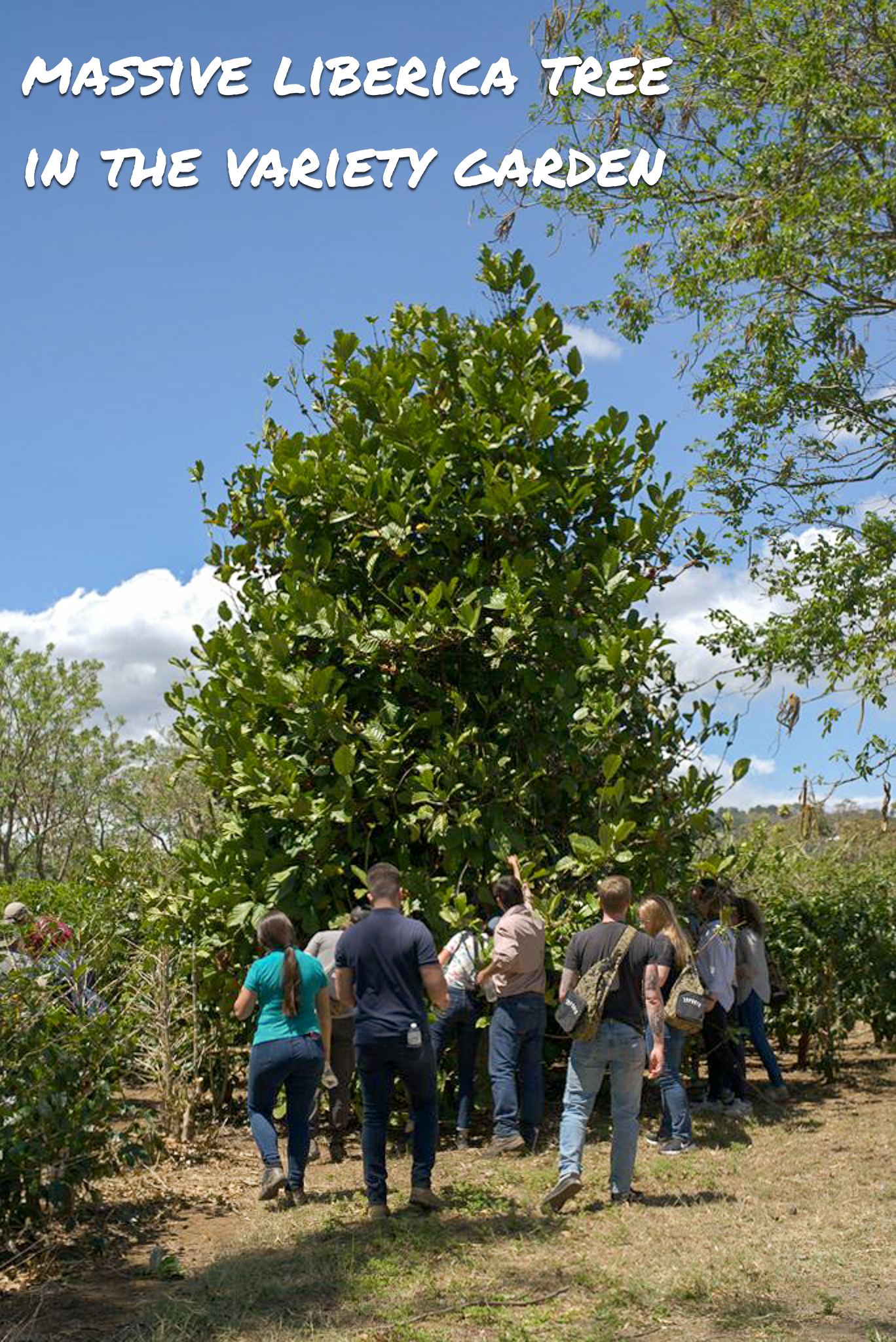
The following morning, the excursion led to the ICAFE Headquarters. The organization, founded in 1933, is an “organization that exists to support and promote sustainability in Costa Rica’s coffee industry”, Josh defined. ICAFE is regulated by the Law of the Republic of Costa Rica No. 2762, which prioritizes 4 pillars: First, support for coffee production, processing, and exporting. Second, the promotion of coffee on the national and international level. Third, research and development of technology. Last, approving and maintaining a fair minimum price that mills must pay producers. Bea said “I wish there were a Law like the 2762 law in every producing country of the world. This could make all the producers happy with fair rates, and all the final clients satisfied with traceability information.” They walked through the wet mill, dry mill, and storage room of high-quality seeds sold to producers. The following stop was the lab. ICAFE devotes considerable energy to studying and experimentation. The lab researches coffee varieties, water, soil, pruning methods, shade, plague control, minerals, and carbon emissions and runs soil and water analysis tests for mills and producers. The tour ended outside in ICAFE’s model farm and variety garden, where the group learned about pruning, cultivation techniques, and variety differences. Standing over 20 feet high amongst the other coffee was an imposing and memorable Liberica coffee tree.
SCACR
(Asociacion De Cafes Finos De Costa Rica)
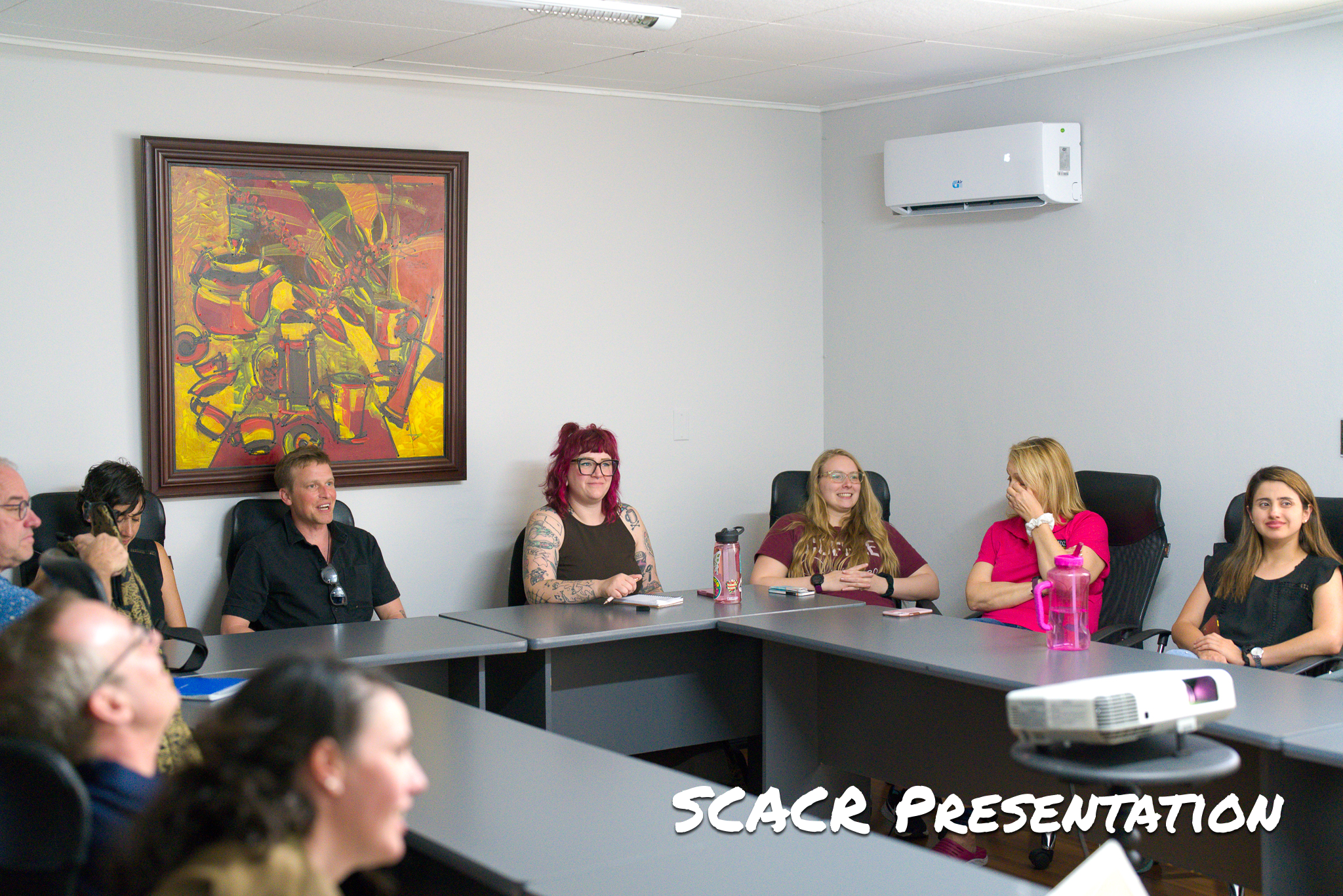
Founded in 1993, Costa Rica’s specialty coffee association was formed to combat the coffee price crisis. Then and now, they work to promote specialty coffee through education and support to the country’s coffee industry. Upon arriving, Bea mentioned the beautiful and fully equipped headquarters where they host courses to train new baristas and cuppers. The SCACR staff presented their work and then led a cupping of the highest quality coffees of Costa Rica’s many growing regions. This organization has profoundly affected Costa Rica’s coffee industry and continues supporting professionals from farms to cafes to labs. We are appreciative of their time in hosting us.
Oxcart Coffee
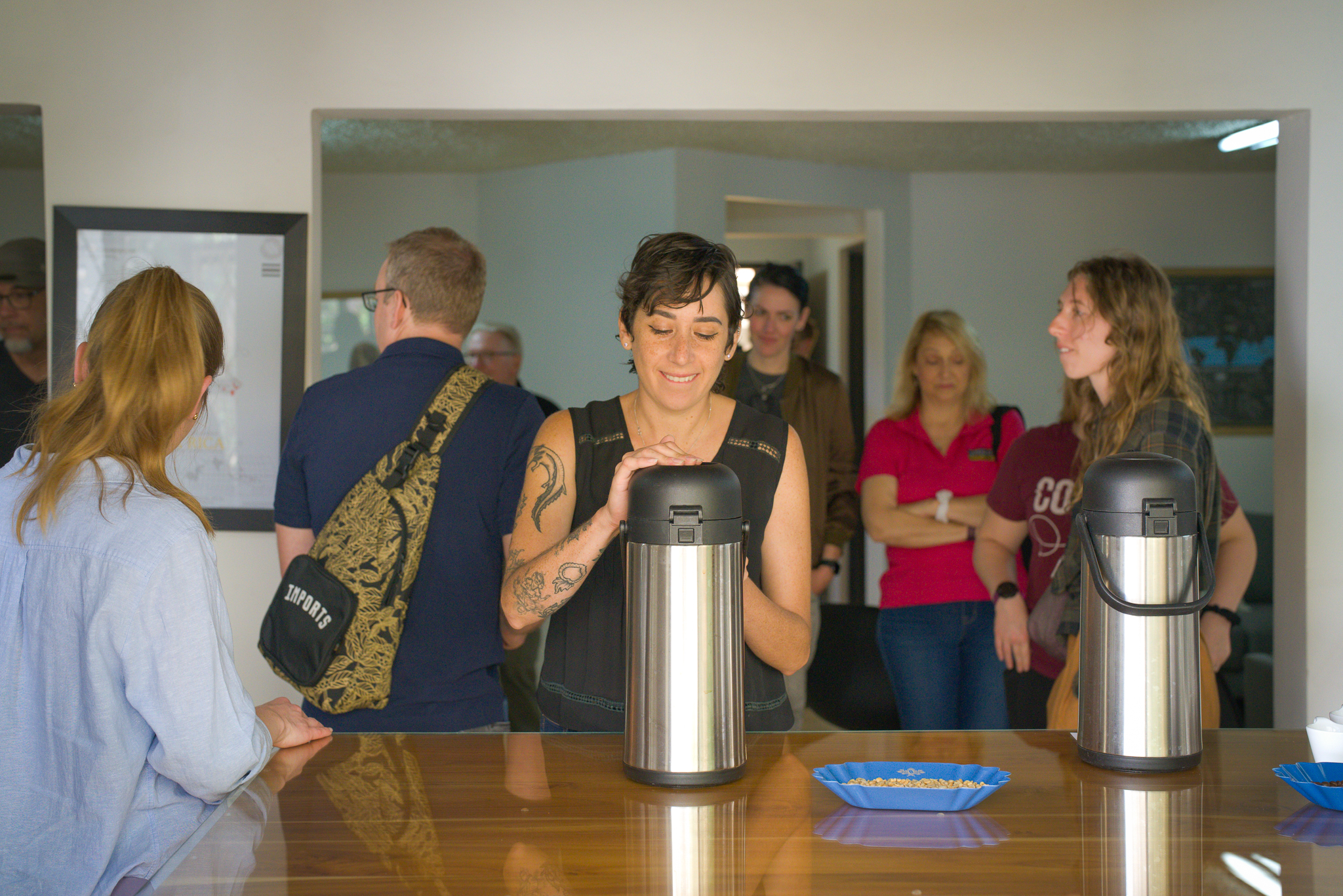
On the final day of the trips, Lucho and Adriana brought the groups to their office. Coffee from three different micromills was freshly brewed. The espresso machine was on, and Bea apparently slang some delicious Las Lajas cappuccinos. It was a wonderful moment at the trip’s end to enjoy each other’s company, discuss what was learned, and reflect on the memories everyone would fly home with. Lucho and Adri had a presentation prepared on the history of Cafe Imports and Oxcart. Lucho spoke about the year-round work required to maintain relationships, improve transparency, and optimize logistics. The average farm size of producers we work with is 15-20 hectares. Most of what we purchase are microlots. This work isn’t easy, and we couldn’t navigate it without Lucho and Adri at Oxcart.
Coffee is a challenging agricultural industry. Everyone along the supply chain deals with climate change, plant diseases, logistics hold-ups, cost increases, and spikes and dips in the market. Cultivation difficulties might push producers toward more profitable crops. The market spikes can decrease the incentive of growing microlots. Many producers don’t have mills. Inputs and shipping are incredibly expensive. How does coffee overcome these challenges? It takes a network of dedicated individuals to create beautiful coffees. Together, stakeholders like those we visited – cooperatives, micromills, ICAFE, SCACR, roasteries, cafes, and Oxcart, create a community that propels coffee forward in Costa Rica. As Josh perfectly summarizes, “…[everyone] plays a tremendous role in sustaining coffee production in Costa Rica. The power of human relationships and ingenuity keep coffee in Costa Rica relevant and delicious.”
This glimpse into the life of coffee production leaves a lasting impression of inspiration, insight, and gratitude. Thank you, again, to all who hosted us, gave us tours, and inspired us. Thank you to Luis, Adriana, and Piero for organizing. Thank you to all who attended for being a joy to travel with and wonderful students of the industry. Until the next 101, cheers.
Earlier Posts
Origin Report: Kenya 2018
Kenyan coffee is undoubtedly some of the most complex in the world—in more ways than one.
Starting with the most obvious, coffees from this beautiful East African country are big, colorful mosaics of flavor, and tasting the best of the best Kenyans can feel like the coffee equivalent of standing directly inside a rainbow with your mouth open, as if you could taste color.
Then there’s the complicated way that the market operates there: Traditionally dominated by the generations-old auction system, buying specific, individual lots is no easy feat, and not for the weak of heart or light of palate.
Perhaps the most complex thing about Kenyan coffee, however, is the set of ethical questions it raises for us, and the challenges it presents to us as a square peg we have spent decades trying to fit into the round hole of traceability, partnership, and consistency.
Open Door: Costa Rica 2018 Dates Announced
The Open Door program was developed in 2017 to allow our customers to visit our Central American office and lab in San José, Costa Rica. Most Fridays from March through May, guests have the opportunity to walk in to our office and join our Costa Rica–based green-coffee buyer, Luis (“Lucho”) Arocha and sales representative Omar Herrera, to cup coffees and hear about the development work with which we have been involved in Costa Rica. Our producing partners regularly join us for these cuppings, offering unique opportunities for calibration and real-time feedback.
Origin Report: Costa Rica 2018
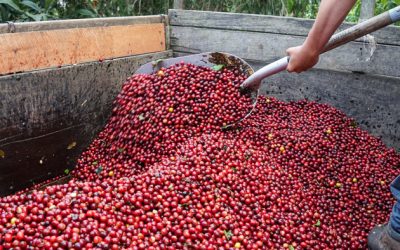
What does it mean to be “engaged” at origin? What does it mean to develop real, genuine relationships in business? What is the true impact of immersion into the culture of a coffee and the people who grow, harvest, process, and mill it? As curious coffee people, and as importers who try to be conscious of the size of our footprint in more ways than one, we ask ourselves these questions all the time.
Perhaps unsurprisingly, the answers vary from place to place, from one situation to another: Some producers operate best with little to no interaction from their buyers, while others find a more personal connection to be deeply meaningful—and everything in between.
When it comes to the producers of our microlots from Costa Rica, which is the better option—Face Time, or face-to-face time? Read more about how we strike the balance of being engaged while not being overbearing, and to create healthy, longstanding partnerships in Costa Rica, one of our cornerstone origins.
Variety: Unknown
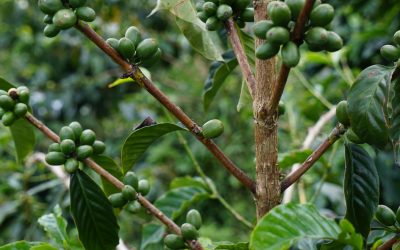
There are still some unknowns in coffee—lots, actually—but this one in particular has us pretty intrigued… If you like mystery stories with a little bit of adventure and a whole lot of 90+ point cups, this might be right up your alley.
The Rest of the Best Cup
Saying “everyone’s a winner” might be a cliché in most instances, but when it comes to the fantastic but not auction-winning coffees we discover at Best Cup events, the saying is actually true—especially for our customers.
Origin Report: Ethiopia 2018
Times are changing in Ethiopia, and coffee is changing, too: This year marks a lot of transitions both for the farmers and exporters of the world’s oldest coffee-growing country, as well as for Cafe Imports’ presence on the ground there.
One theme seems to stand out for us as we dive into the 2018 harvest in Yirgacheffe, Guji, and Sidama, and that is a look at the past is sometimes the best way to push forward into the future.
Our favorite Instagram tags of 2017
We’re in coffee for the coffee, of course, but maybe even more so, we’re in coffee for the coffee people. Maybe our favorite day of the year is the one where we look back at all the @cafeimports tagged Instagram photos that our friends, customers, producing and export...
Progress Report: Development 2017
When we think about Development here at Cafe Imports, we mean more than simply better coffee, but also better systems—that includes the contributions we make on the ground and in the field, the collaborations we undertake at the farm and mill level, and the work we do to improve our daily lives and operations in our offices and warehouses.
With the end of the year right around the corner, we are proud to share our annual progress report on Café Imports commitment to Development, which not only offers some insight into what we have been working on over the last 12 months, but also what we look forward to in 2018.
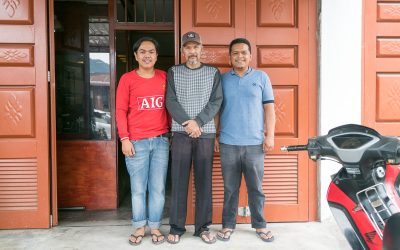
Traceable Sumatra: Bergandal Mill
Sumatran coffees are already different from coffees anywhere else in the world, and Sakdan Abdul Wahab (pictured in the hat) represents something even more different: Truly traceable coffees from a microregion within the Gayo Highlands.
You're Invited: Resource 2018
It’s a new year, a new crop, and a whole new selection of opportunities to shrink the distance between your roaster’s hopper and coffee’s source. We at Cafe Imports would like nothing more than to have you join us on our travels into the field (literally) as we seek, study, cup, and source the world’s finest specialty coffees. Throughout the year, we gladly invite our roaster partners along on visits to the producers, mills, and exporters with whom we work year in and year out, to develop personal connections and long-standing relationships, and, of course, to bring home the most delicious coffees we can find.
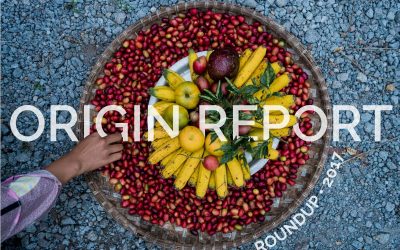
Origin Report Roundup 2017
The Earth made another trip around the sun, and we at Cafe Imports made another trip around the world—visiting partners, sourcing lots, making introductions, managing logistics, and rounding out another year of bringing you the finest specialty coffees. As we get ready to stow our passports for a little holiday break, and before we jet off into the next adventure, we’d like to take a moment to wrap up our year at origin as well as offer a glimpse of what’s to come.
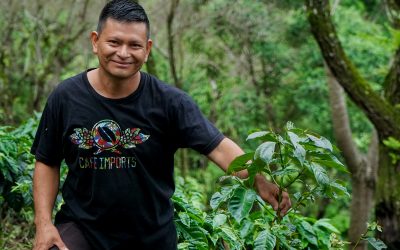
Chalate 2017 – The Project
“Project” is a perfect homonym, because it not only captures the work and careful planning that goes into a task at hand, but it also expresses forward motion, forecasting, prediction—the future. Read more about the present work and future prospects of our Pequeños microlot program in Chalatenango, El Salvador.