
Watch our web-hosted discussion Special Topics: Anaerobic Fermentation!
Watch our most recent public educational event now, discussing all things anaerobic fermentation in coffee processing. Find out how to be part of the next conversation!
Watch our most recent public educational event now, discussing all things anaerobic fermentation in coffee processing. Find out how to be part of the next conversation!
Well, so far we’ve made it through two months of working from home, social distancing, changing protocols, navigating a changing business landscape, and experiencing a real rollercoaster of emotions. Like you, we’ve also been overwhelmed by what feels like a constant barrage of news and information—including updates like this one—from just about everywhere and everyone.
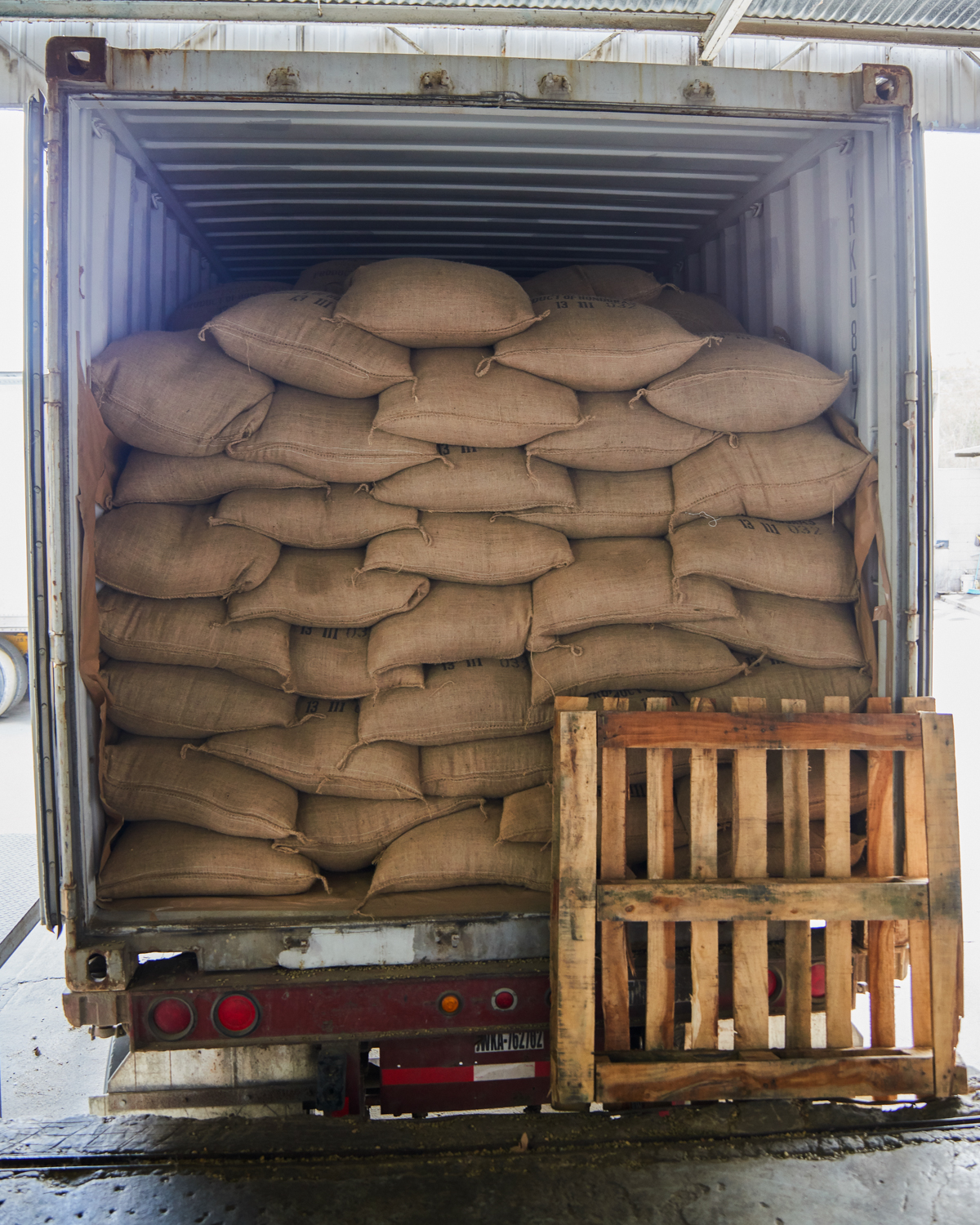
There have already been many immediate and obvious ways that the COVID-19 situation has affected the specialty-coffee industry, but we’re also keeping our eyes on a developing obstacle that may have further-reaching impact on the season of shipments we’re expecting over the coming weeks: a global container shortage and port backups that have been snowballing since late January.
We’re not only coffee nerds, but we’re also a company comprised of passionate world travelers and people who love people: Your friends at Cafe Imports tend to be curious, eager to learn, and dedicated to sharing what we know and what we do with other coffee people around the world—from farmers to roasters to everyday people who just happen to love a great shot of espresso. Our Harvest Reports are one way that we try to give our customers (and your customers) a behind-the-scenes look at the year’s coffee sources, and as this year closes we’d like to reflect on the reports and learn how we can make them better.
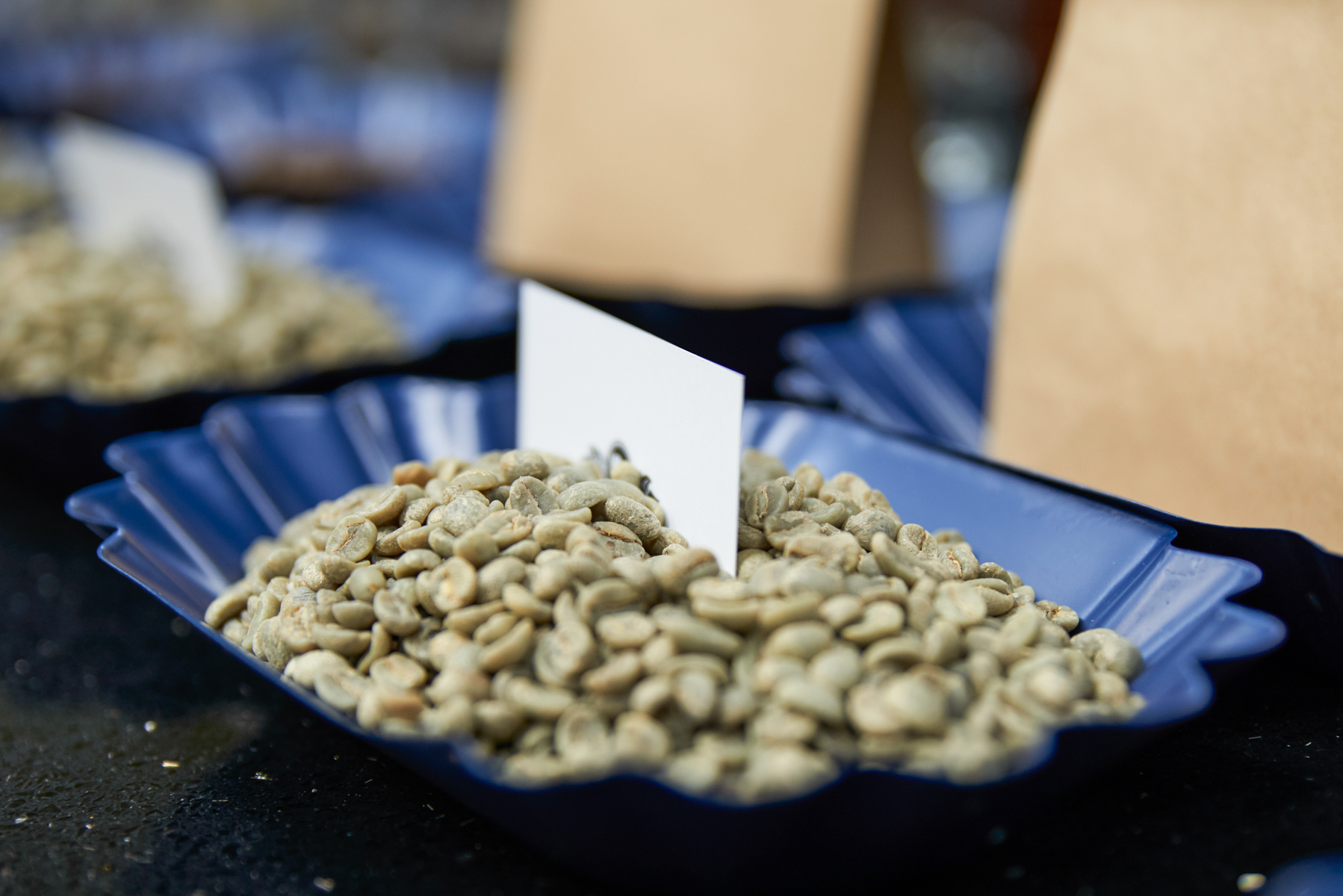
AA, AB, PB, AX, SHB, SHG, EP, DP—scanning a list of green coffees can look like a Scrabble board gone horribly awry, but these letters really represent information that can be very useful for a coffee roaster: They are the “grade” of the coffee.
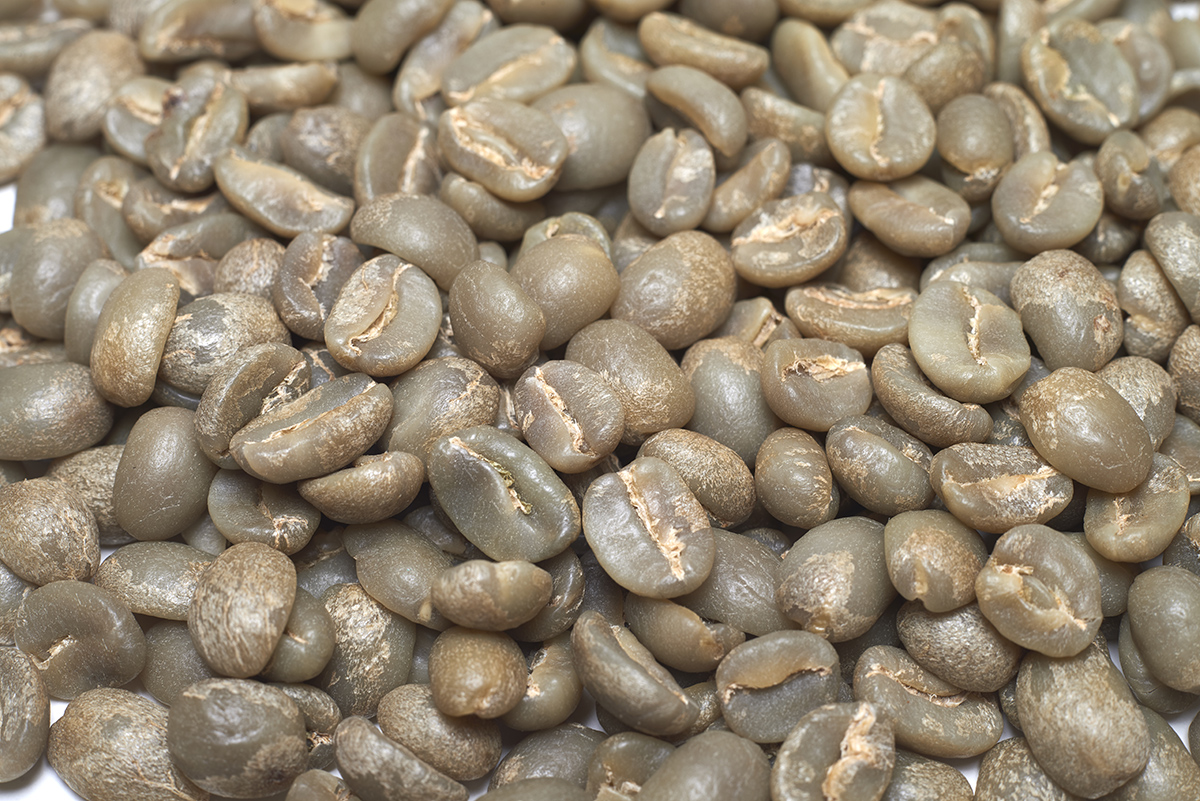
If you’re wondering what the ideal conditions are for storing your green, we’ve got a long answer and a short answer for you. The short answer, according to Cafe Imports’ sensory analysis director Ian Fretheim, is, “Cool and dry. That’s really it.”
Of course, there’s never just a short answer. Read on to find out about some specific conditions and containers that might help you preserve the quality and longevity of your favorite lots.
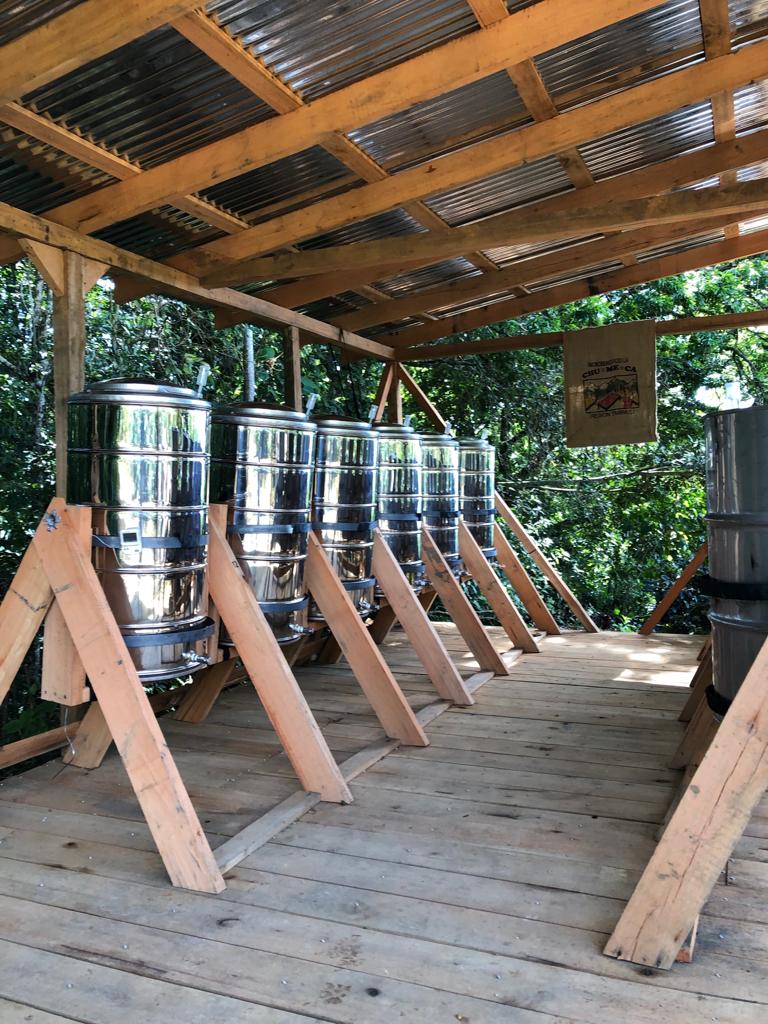
Nothing stays the same in coffee for very long, and producers are always seeking new and improved ways to differentiate themselves, moderate their coffee’s flavor profiles, and offer exciting and interesting flavors to roasters and consumers all over the world. Sometimes a little experimentation and ingenuity can go a long way without having to re-invent the wheel, which is why we’re interested in the increasing popularity of anaerobic-environment fermentation.