
Ratnagiri Estate: A New Era of Coffee from India
FROM THE ABUNDANCE OF THE WESTERN GHATS
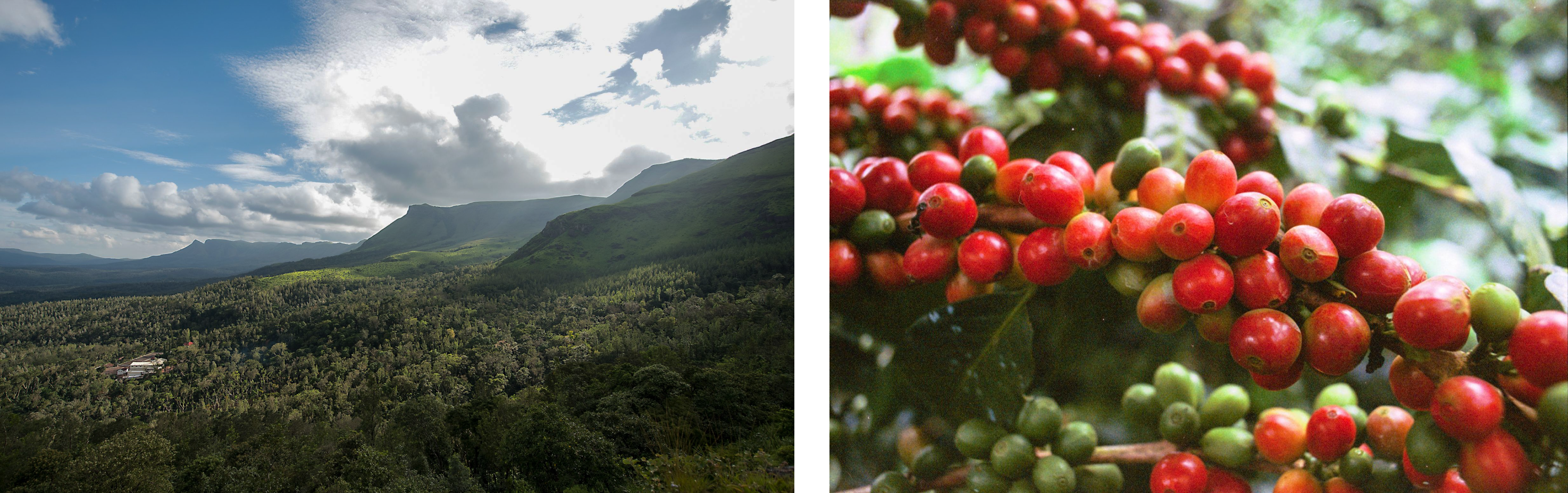
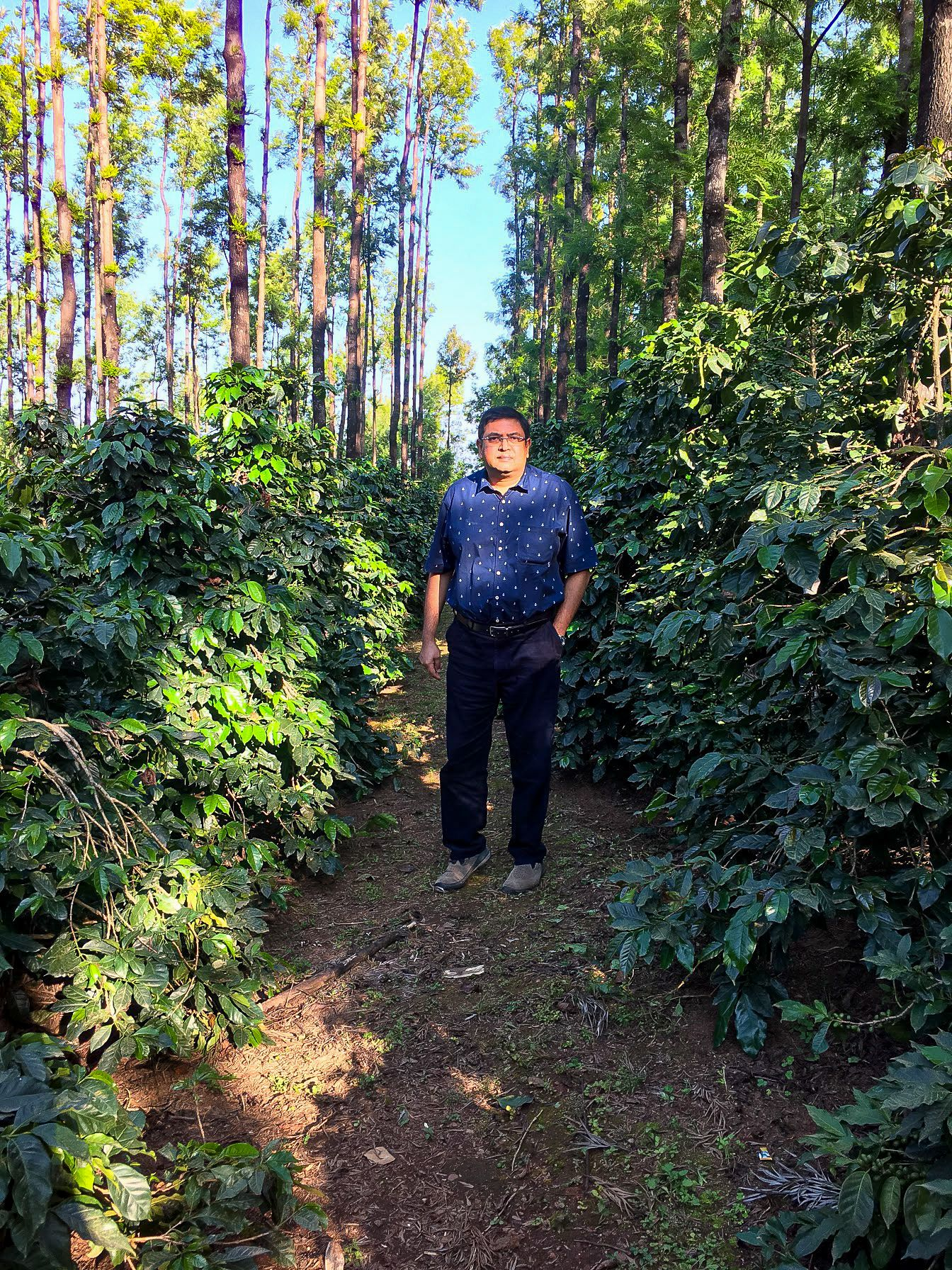
The Western Ghats, or Sahyadri mountain range, runs parallel to the coast along the western edge of India, reaching south into the Karnataka State. Westerly monsoon winds carry dense rain clouds that break on the intercepting mountain range, sustaining the rainforest’s flora, fauna, and wildlife. Ratnagiri Estate is situated in the southwestern Ghats’ foothills, where the mountain meets the Deccan Plateau near Bababudangiri, the birthplace of India’s coffee production. This abundant mountainside is canopied by silver oak trees, shading the coffee that’s been grown below for generations. The Patre family founded Ratnagiri Estate in 1927, and Ashok Patre assumed ownership in 1989. Since then, Ashok has revolutionized coffee production on his farm and in India.
India may not be well-known for its specialty coffee production, but over the past five years, we’ve been consciously sampling more coffee from here in search of a source to introduce India microlots to our offerings. We met Ashok Patre a few times in recent years and finally sampled his coffees in early 2023. Using our newly developed cupping form, The Coffee Rose, the quality of the offerings was evident. As Ashok told us, “Slowly, we were successful because the coffee spoke for itself… It was a long journey, but well worth it because we were able to showcase that even India can produce some really good specialty coffees.”
ASHOK PATRE: A PRODUCER’S JOURNEY INTO SPECIALTY
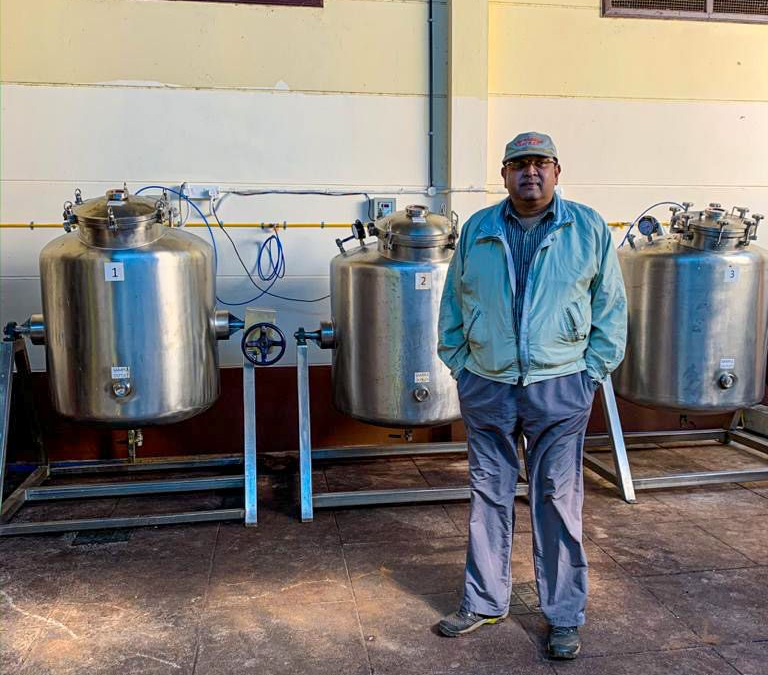
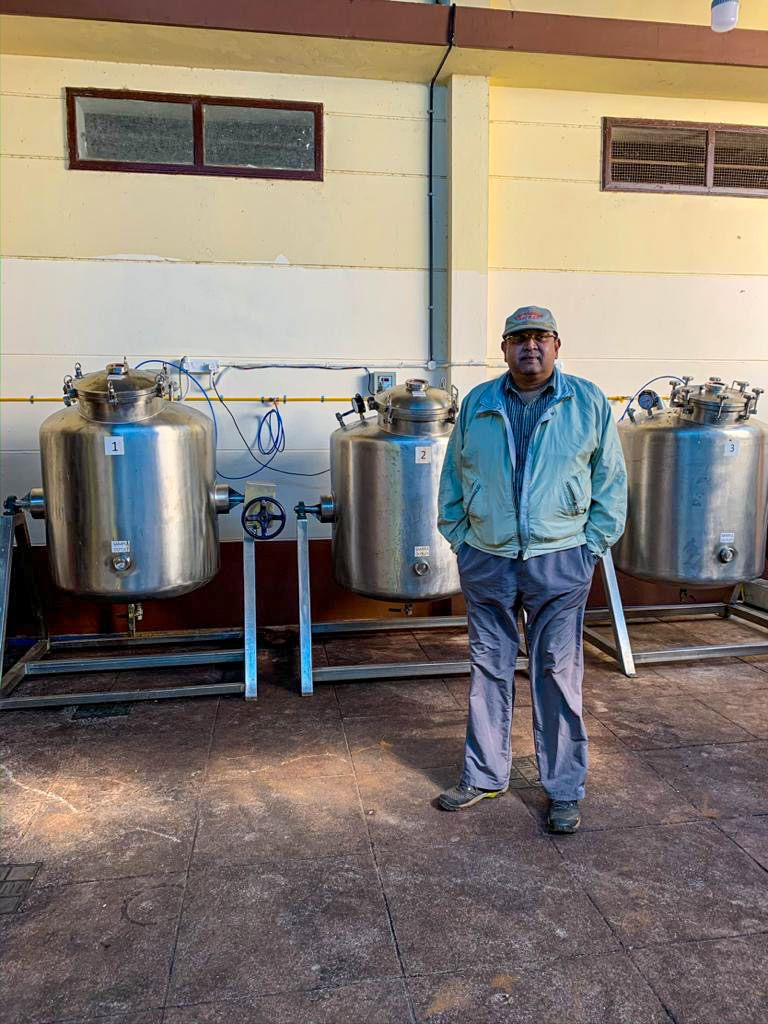
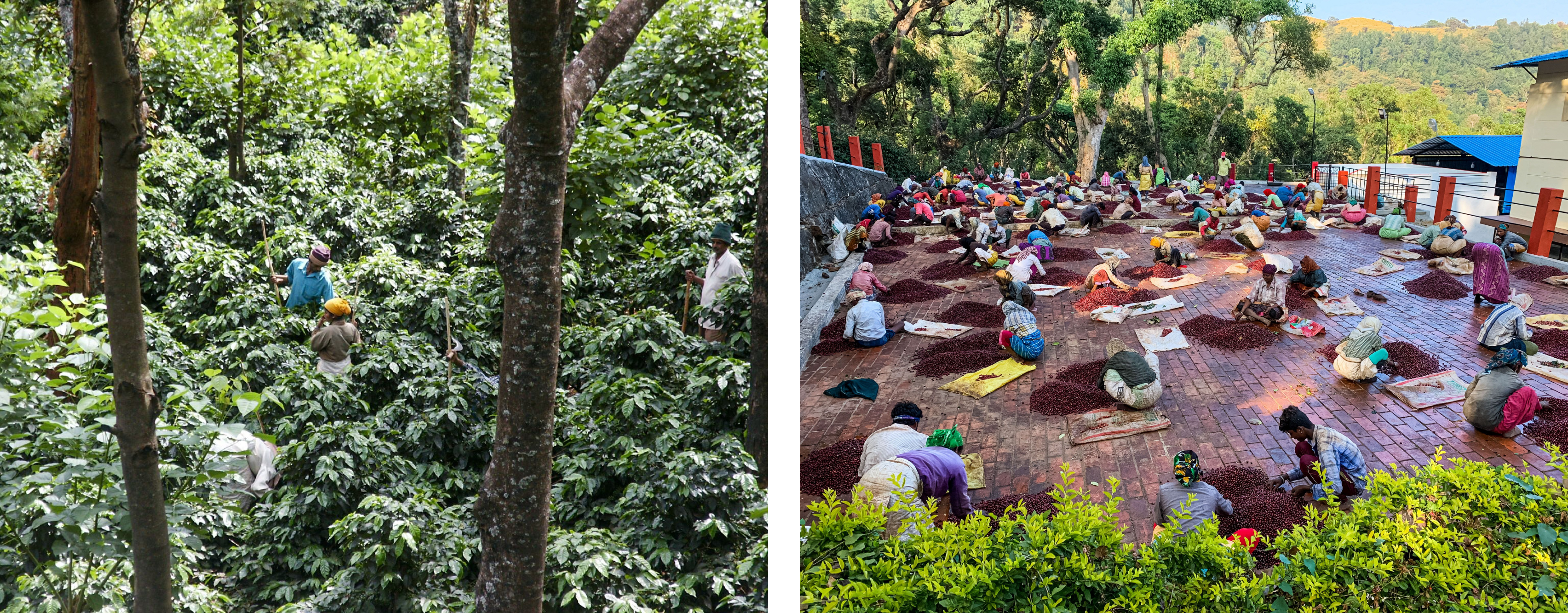
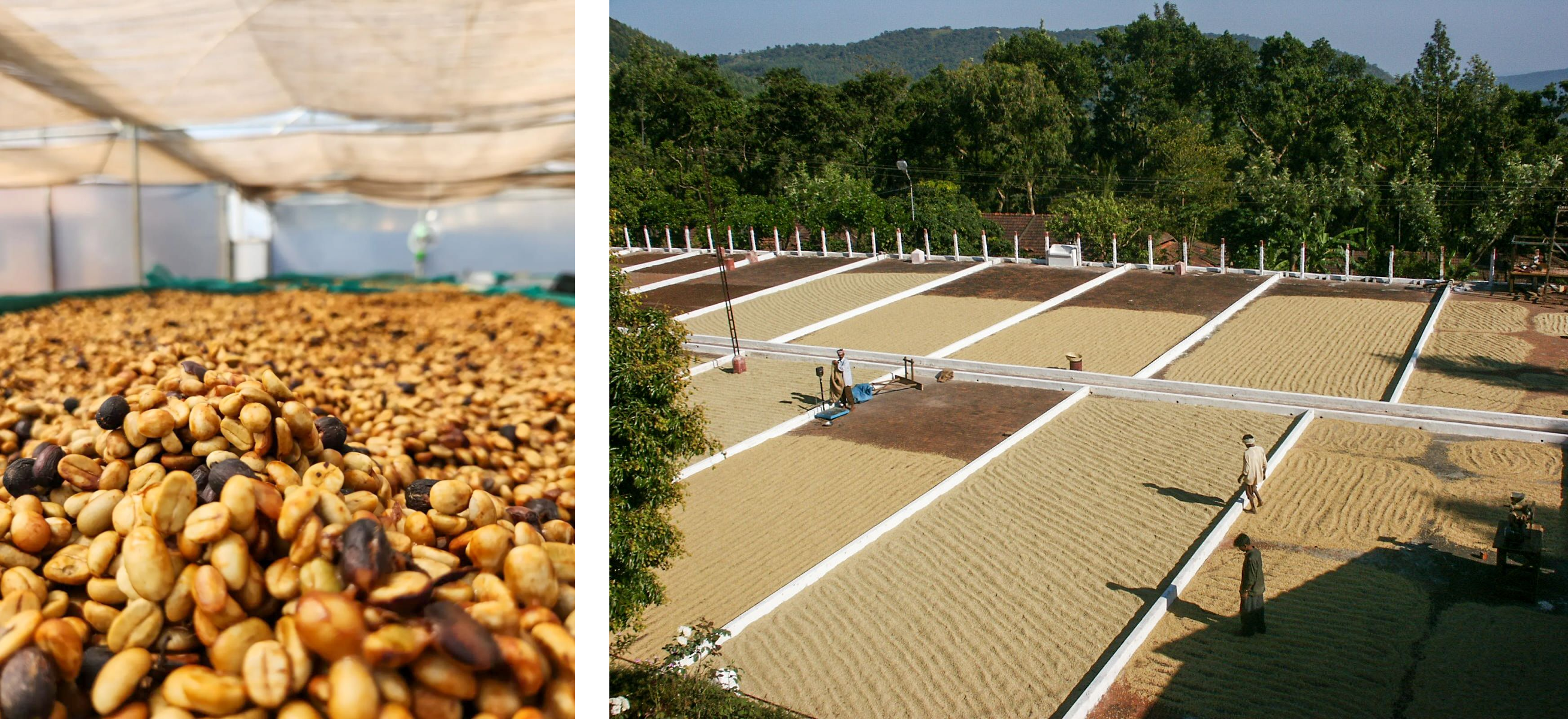
We met Mr. Patre at SCA Expo in Portland most recently and learned more about him, his farm, and his production ethos. He exudes humility and deep coffee wisdom as he explains the farm’s transformation since his ownership began. Converting from a traditional coffee farm to a specialty-focused operation is a risk, especially within a country where nearly 75% of the coffee produced is Robusta. After taking over the farm in 1989, Ashok only practiced washed processing like his family before him. In 2010, though, he noticed the single-origin trend in cafes and the industry’s push for higher-quality offerings. In 2016, Ashok produced his first honey-processed coffees and slowly started adapting production toward specialty to meet this demand. The risk in this change was finding customers, but the reward was surviving the rising cost of inputs and labor and the pressure of climate change. Year by year, Ashok reevaluated all aspects of production. He began with cherries by implementing more selective picking over five to six rounds, followed by intensive sorting before processing. “We feel that is most important in Specialty to start with.” He then invested in infrastructure by constructing a mill, drying houses, and a washing station outfitted with fermenters.
RATNAGIRI ESTATE TODAY
Every aspect of production and process is controlled at Ratnagiri Estate, and 60% of the 117-hectare farm’s volume is Specialty grade. Ashok is focused on eco-friendly farming – “The only thing we use is fertilizers, and in case we have a pest attack, it is always biological control… I have seen a lot of farms all over the world [who] by indiscriminate use of pesticides and herbicides…ruin their farms.” Varieties grown at Ratnagiri include Catuai, Catimore, Cauvery, SL-9, and Hemavathi intercropped with fine pepper. Fifteen unique processes have been applied to the offerings available this harvest. There are multiple modulations of washed, carbonic maceration naturals, anaerobic naturals, yeast-fermented naturals, aerobic fermented honeys, and their signature carbonic macerated washed. Learn more about these processes on our Education page.
The carbonic macerated washed coffees are harvested at 23-27⁰ Brix, fermented anaerobically in-cherry for 48 hours, then depulped. The depulped seeds are placed in large stainless-steel fermenters which are then purged with carbon dioxide gas, and the coffee ferments for 90-120 hours. After removing the seeds, they are washed, soaked for 24 hours, and dried for 25-27 days. This incredible labor-and-time-intensive process produces coffee wholly unlike traditional washed India arabica. This year, we’ve found medium-intense tart acidity, clean sweetness, jammy berry notes, and cocoa or nut structure in the cup.
OFFERINGS THAT ADVANCE THE INDUSTRY
Ashok’s intention is to showcase India in a new form, and Ratnagiri Estate coffees do. We are grateful that Mr. Patre’s interest in specialty coffee was sparked over 10 years ago and that these offerings have reached our warehouse. As Cafe Imports sources throughout more regions, we find ourselves walking through farms that, in previous years, would not have been considered a specialty source. The forward-thinking producer, though, challenges the industry’s conception of what good coffee is and where it comes from, changing the landscape. Ashok is emblematic of this new era in coffee, and we can’t wait to walk his farm and facilities later this year.
To find out when coffees land, watch more interviews like this, and join our events, follow us on Instagram @cafeimports.
For a unique India offering on your espresso or filter bar, view our Ratnagiri Estate offerings now.
Earlier Posts
What’s “Anaerobic Fermentation” and Why Is It So Popular All of a Sudden?
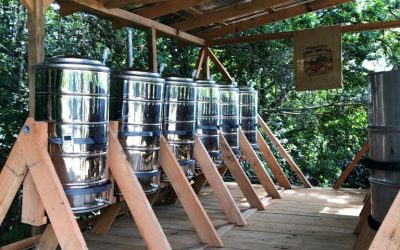
Nothing stays the same in coffee for very long, and producers are always seeking new and improved ways to differentiate themselves, moderate their coffee’s flavor profiles, and offer exciting and interesting flavors to roasters and consumers all over the world. Sometimes a little experimentation and ingenuity can go a long way without having to re-invent the wheel, which is why we’re interested in the increasing popularity of anaerobic-environment fermentation.
Harvest Brief: Jamaica 2019 – A Story of Resilience and Recovery Fueled by Coffee
After several years of hardship and a very long recovery, Jamaica’s coffee industry is showing signs of rebirth and rejuvenation, along with prices that make these famous beans more accessible to our roaster-partners. We are looking forward to new arrivals on the way from the Jamaican Coffee Farmers Association, a small private company that processes the coffees of about 250 smallholder producers, most of who have been working to bypass the established estate system to have more control over their own coffee and, hopefully, allow them to keep a higher percentage of the notoriously high prices paid for Jamaican barrels internationally.
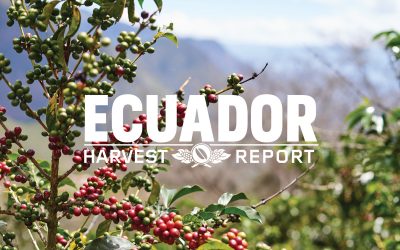
Harvest + Trip Report: Ecuador 2019
Ecuador is not typically the first place that comes to mind for fans of specialty coffee, but it’s not because the country lacks great cups: Some of our favorite South American coffees come from the misty mountains of Pichincha in the north and the biodiverse province of Loja in the south. Ecuador’s border neighbors of Colombia and Peru tend to outshine it in terms of annual yield and recognition, but every year the country’s reputation for quality, clarity, and personality inspires more and more specialty-coffee hunters to look to the farmers here for new profiles, captivating stories, and strong potential for growth.
Oxcart Coffee, Season 1: ¡Gracias Por Visitarnos!
The Oxcart Coffee – Cafe Imports Latin America office officially opened in San José, Costa Rica earlier this year, before the busiest part of the harvest season in that producing country. It was intended as a full-service export-import office where our green-coffee sourcing team in Costa Rica (green-coffee buyer Luis Arocha and green-buyer’s associate Francine Ramirez, along with Adriana Abarca in logistics and Eduardo Ramirez in sensory analysis) could receive, catalog, roast, cup offer samples, and contract and pay for coffees from the local producers with whom we’ve been working the past many years—but it very quickly became much more than that.
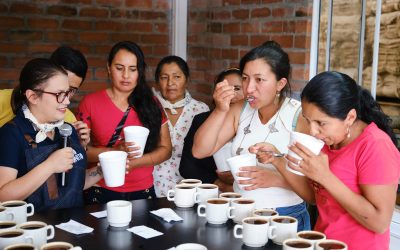
Women Coffee Producers Trip 2019
For the past two years, we have hosted a Resource trip to visit some of the associations who participate in our Women Coffee Producers program, a coffee-sourcing project through which we buy coffee from co-ops comprised entirely of women, or subgroups of women who are members of coed associations.
The coffees we buy from WCP participating women are given a gender-equity premium on top of their quality premium, as a way of attempting to bridge the pay and recognition gap that exists in most coffee-growing countries. Just a few weeks ago, our WCP trip went to Cauca, Colombia to visit AMACA and ASMUCAFE, and the experience was unforgettable for everyone. Click below to read a blog about the trip, featuring reflections from Cafe Imports staff as well as a few of the strong women roasters who came along.
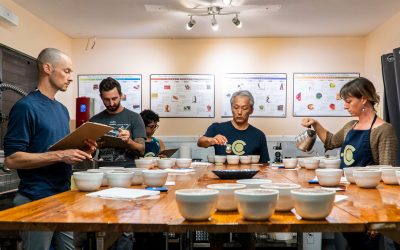
Learning to Cup in Hawaii: The Kona Cultural Coffee Festival and the HCA Coffee Competition
Cafe Imports’ sensory analysis director, Ian Fretheim, is so curious about cupping that he’ll happily travel to the most remote place in the world to study it. (It helps that the world’s most remote landmass also happens to be Hawaii.) He’s had some thoughts about both Hawaiian coffee in general as well as our industry-wide cupping practices after coming back from the Kona Coffee Festival and after serving as head judge in the 2019 Hawaiian Coffee Association Cupping Competition. Climb into the mind of Ian Fretheim here.

Mexico Harvest Report 2019
There are lots of coffee-growing regions with potential, but when we think of untapped opportunities to invest in producers and make a real impact on quality and recovery, we can’t help but think of Mexico as a perfect example of what “potential” means from a coffee source. There are good varieties, a strong cooperative culture, and more streamlined logistics—so what has kept Mexico from truly shining as a growing region?

A Closer Look at Tega & Tula Specialty Coffee Farm in Keffa, Ethiopia
Single-farm traceable certified-organic coffees are hard to come by from Ethiopia, but Cafe Imports’ strong relationship with Tega & Tula Specialty Coffee Farm in Keffa, Ethiopia, is a special exception to that rule. Read more about T&T and its primary owner, Ahadu Woubshet.
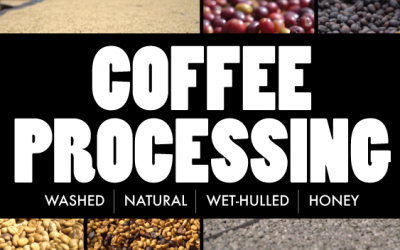
Now Streaming: An Educational Coffee Processing Video Series
Coffee people are naturally curious, and we are no different at Cafe Imports: We love learning new things about this amazing plant, seed, and beverage, and we’re passionate about sharing any information we have on our Education page and through other free, accessible resources-like the brand-new Coffee Processing video series, which debuted last week on the Cafe Imports YouTube channel!
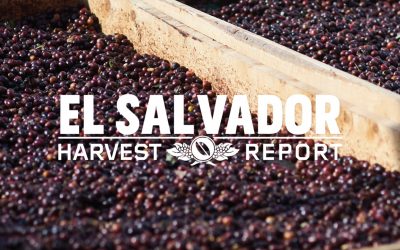
El Salvador Harvest Report 2019
It’s been another season to celebrate forward momentum and growth in El Salvador, senior green-coffee buyer Piero Cristiani reports after the end of the recent harvest. After several years of struggle following an outbreak of coffee-leaf rust, this small but strong producing country is boasting a bigger yield and stellar cups of Pacas and Pacamara, the latter variety “a national treasure of El Salvador,” Piero says.
Chalatenango Best Cup 2019
In March of 2019, we held the first-ever Best Cup cupping competition and live auction event in the small but mighty coffee-growing region of Chalatenango, El Salvador. This video tells the story of the Best Cup competition and our history working in Chalate, and hopefully inspires you to reserve your seat at the next auction event.
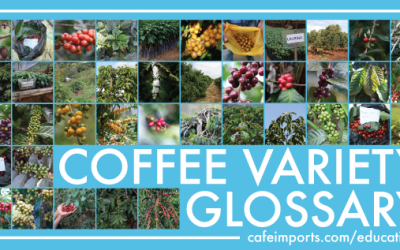
The Cafe Imports Coffee Variety Glossary and Gallery – Free educational resources available now
In the mood to take a deep dive into coffee varieties? We’ve got just the thing for you: The Cafe Imports Coffee Variety Glossary and Photo Gallery.