
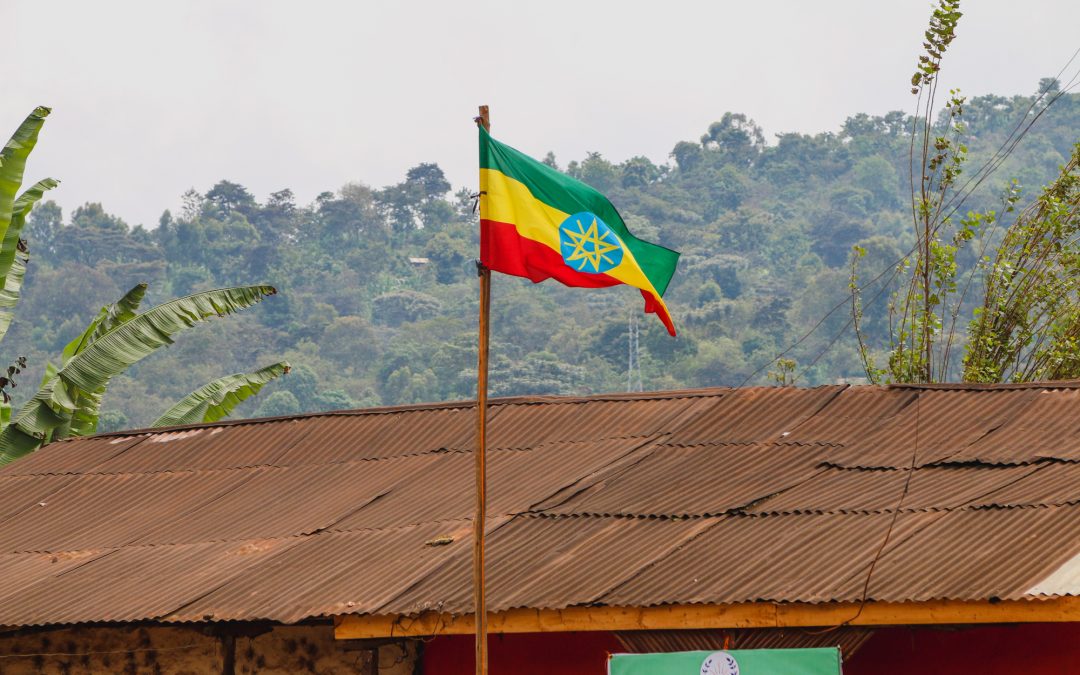
About 4 years ago we noticed . . .an international mystery
Around four years ago, we noticed that new Ethiopian coffee exporters were springing up left and right. We would get four to five new emails a week from some new exporting company, often with Industrial blah blah blah as part of their corporate name. We guess competition is a good thing, but it seemed a bit strange – so many new companies so quickly. As we all know, specialty coffee is a pretty small community. Who were these new companies? Another thing is that many of these companies were offering coffee at what seemed near or below the cost of production, which was also strange! Why would new companies come in with no background in coffee and sell at or below cost? That was the mystery.
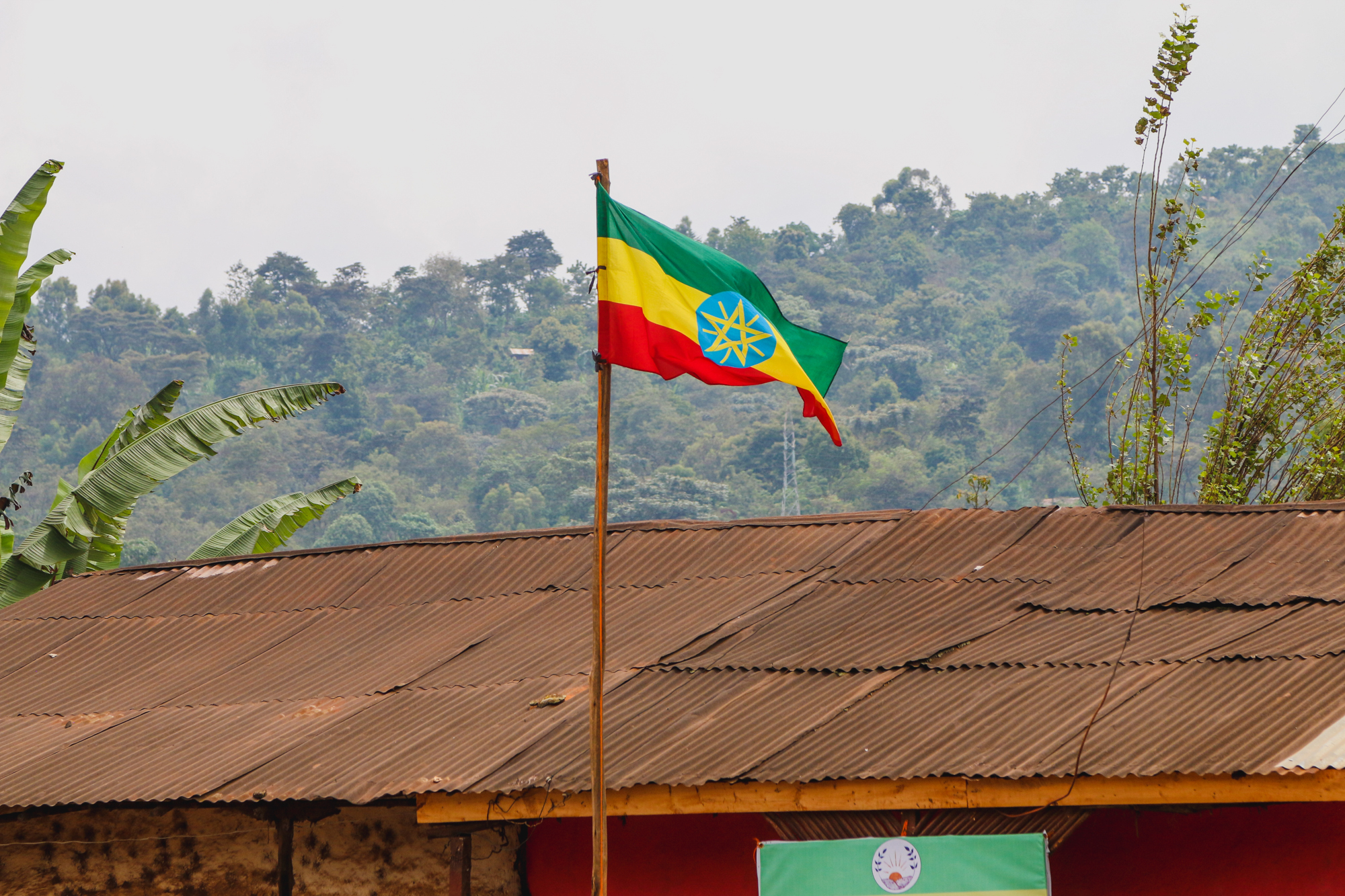
Ethiopian coffee has always been our favorite, but there has always been a weird reshuffle of the business every few years, usually due to a governmental change triggered by something behind the scenes. We wanted to figure out what was going on this time.
One of the first things to consider is the foreign exchange market. Most international trade is either in U.S. Dollars or European Euros. If you are a small country and need to buy a barrel of oil, you must pay in U.S. Dollars. If you want to import some high-precision equipment from Germany, you have to pay in Euros. Effectively, countries must sell their local currency first, buy foreign currency, and then buy the product they want. If you have a currency people want or can use, then great, no problem. But what if you have a currency that no one really needs other than the locals, like the Ethiopia Birr? Well, you might face a shortage of foreign exchange.
Now, suppose that you are a local company in one of these countries and you want to build a new building, and you need to buy cranes and construction equipment, and you can only pay for this shiny new stuff with U.S. Dollars or Euros? Let’s say you can make a 40% return on building tall new buildings, but you don’t have any Dollars or Euros. What can you do?
This is an issue that Ethiopia faces. Ethiopia needs foreign exchange to buy jet fuel for Ethiopian Airlines (one of my favs for Africa), or the government wants USD for petrol purchases. Obviously, Dollars and Euros are in demand. The country and its businesses want them, but there’s a shortage. This is why all foreign exchange transactions go through the Central Bank of Ethiopia. This is a fairly common practice for countries with a shorter supply of foreign exchange.
Okay, whew, enough FX and economics, and back to the mystery!
So, why would all these new coffee exporting companies that don’t look like coffee companies come into coffee? Why sell at a 5% loss? But hey, if they’re making a 40% return on the sinks they import, they’re netting 35%. Guess that makes sense, doesn’t it? So where is the link here? The link is that around four years ago, the Ethiopian government wanted to get more foreign exchange, and they did that through export licenses. Ethiopian companies would export something and be paid in USD. 70% of those dollars would be kept by the exporter while 30% of the dollars went to the Central Bank, paid back to the exporter in Birr. Essentially, companies would export coffee at a lower price, and the Government would get more foreign exchange, effectively creating an artificial demand for coffee (and other products) to draw in U.S. Dollars.
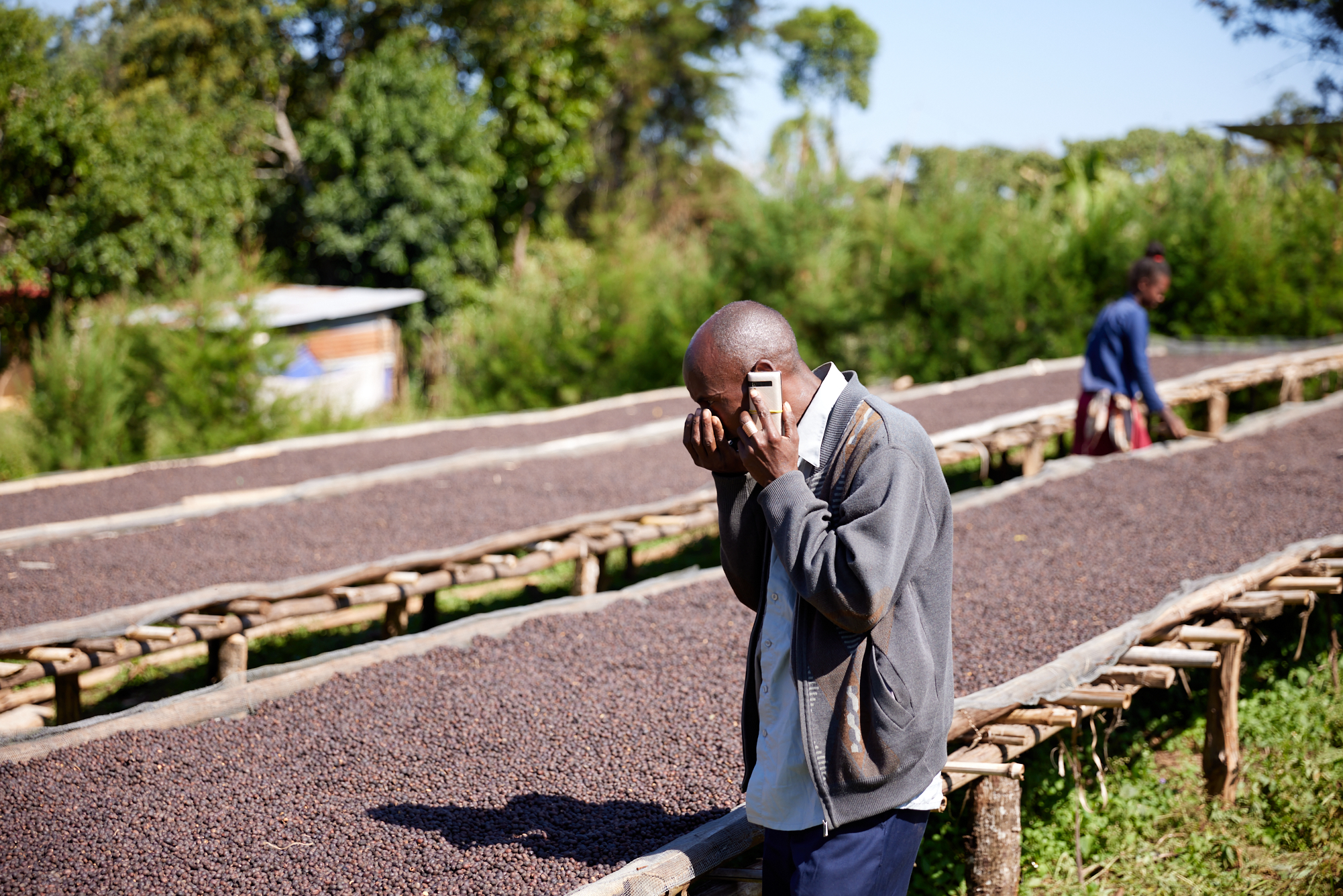
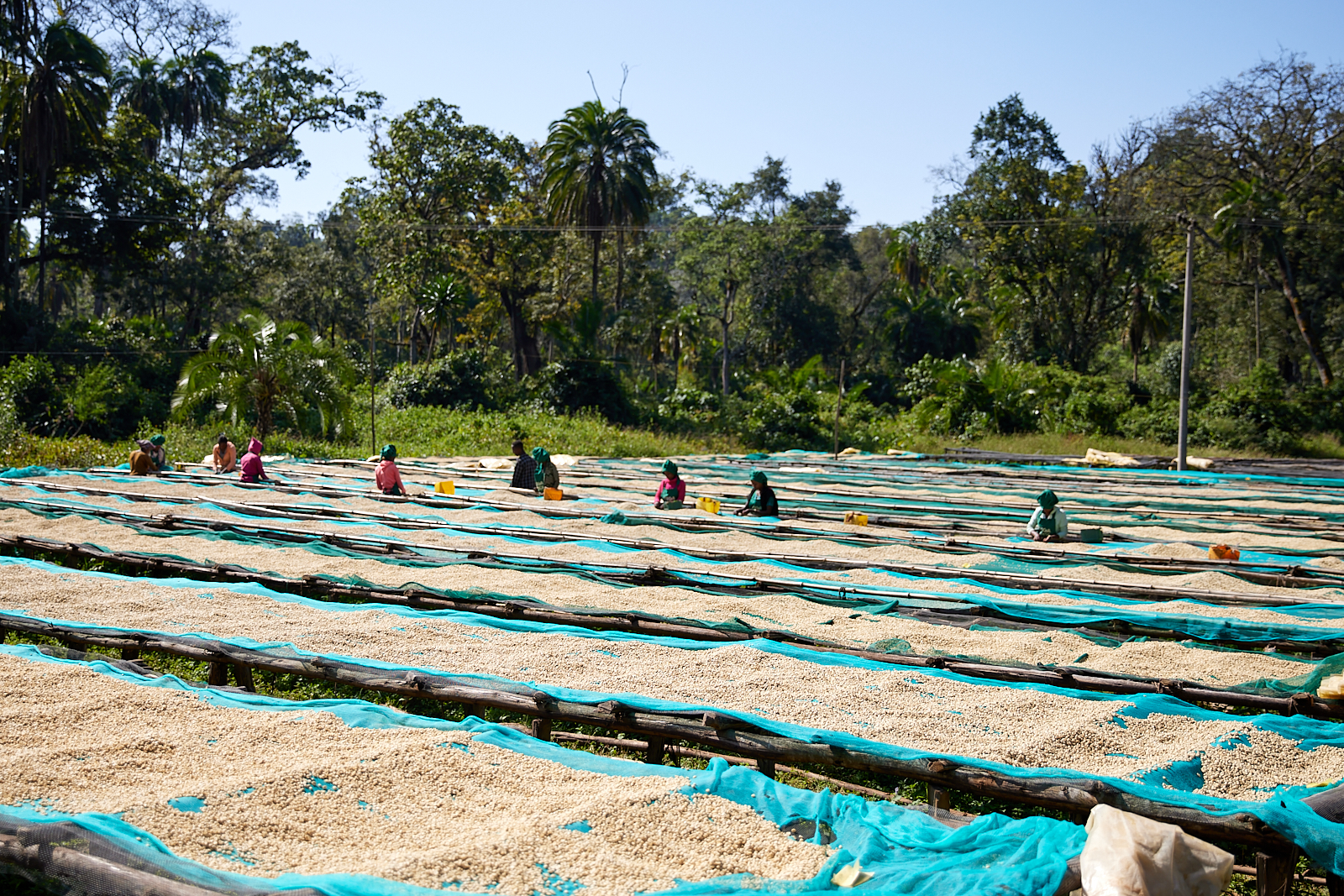
Flash forward four years to 2023. Ethiopia is now facing record-high global inflation (28.57%) and food inflation (33.8%) aggravated by the war against Ukraine. There is a three-year-long civil war in northern Ethiopia that has forced the Ethiopian government to spend foreign exchange while receiving less foreign aid, along with a drop in tourism dollar inflow due to COVID and the war. All of this adds to the already massive shortage of U.S. Dollars. What’s the government to do? They recently changed the previously mentioned 70/30 split for export dollars to 30/70 for the government, making USD even more in demand by Ethiopian businesses.
The artificial demand for coffee to raise USD, the lower split of USD between exporter and government, and the rising cost of living has driven up prices for coffee to around 75-80 birr/kg of cherry compared to last year’s 30-50 birr/kg. (This artificial demand for coffee to raise U.S. Dollars has driven up prices for coffee to around 75-80 birr/kg of cherry)
So what? Farmers who have been underpaid forever are getting more money! Great! Success!
This artificial demand is actually creating prices that are getting to unstable levels. The current prices paid for cherry are currently 75- 80 birr/kg (compared to 16-30 birr/kg in 2021). This pricing sets the break-even export cost of the coffee to be above 5 USD/lbs FOB. What will happen if the world demand for coffee drops at these prices? Exporters will go bankrupt, and, in the end, farmers won’t have a sustainable business.
What can be done about this? Hopefully, the war settles down, of course, and foreign investment is revitalized, giving Ethiopia a source of foreign exchange. Additionally, setting some type of limit on exporting licenses for non-coffee businesses might help here, too.
In the meantime, prices for Ethiopian coffee are going to be higher this year than they were last year.
Either way, we’re continuing to cup and buy the best Ethiopian coffees we can find with our trusted partners, and hope that you continue to buy and roast the same!
Jason Long
CEO, SVP of Sourcing, Partner
Earlier Posts
Origin Report: Kenya 2018
Kenyan coffee is undoubtedly some of the most complex in the world—in more ways than one.
Starting with the most obvious, coffees from this beautiful East African country are big, colorful mosaics of flavor, and tasting the best of the best Kenyans can feel like the coffee equivalent of standing directly inside a rainbow with your mouth open, as if you could taste color.
Then there’s the complicated way that the market operates there: Traditionally dominated by the generations-old auction system, buying specific, individual lots is no easy feat, and not for the weak of heart or light of palate.
Perhaps the most complex thing about Kenyan coffee, however, is the set of ethical questions it raises for us, and the challenges it presents to us as a square peg we have spent decades trying to fit into the round hole of traceability, partnership, and consistency.
Open Door: Costa Rica 2018 Dates Announced
The Open Door program was developed in 2017 to allow our customers to visit our Central American office and lab in San José, Costa Rica. Most Fridays from March through May, guests have the opportunity to walk in to our office and join our Costa Rica–based green-coffee buyer, Luis (“Lucho”) Arocha and sales representative Omar Herrera, to cup coffees and hear about the development work with which we have been involved in Costa Rica. Our producing partners regularly join us for these cuppings, offering unique opportunities for calibration and real-time feedback.
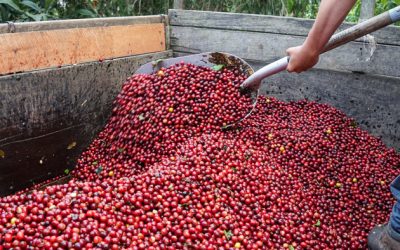
Origin Report: Costa Rica 2018
What does it mean to be “engaged” at origin? What does it mean to develop real, genuine relationships in business? What is the true impact of immersion into the culture of a coffee and the people who grow, harvest, process, and mill it? As curious coffee people, and as importers who try to be conscious of the size of our footprint in more ways than one, we ask ourselves these questions all the time.
Perhaps unsurprisingly, the answers vary from place to place, from one situation to another: Some producers operate best with little to no interaction from their buyers, while others find a more personal connection to be deeply meaningful—and everything in between.
When it comes to the producers of our microlots from Costa Rica, which is the better option—Face Time, or face-to-face time? Read more about how we strike the balance of being engaged while not being overbearing, and to create healthy, longstanding partnerships in Costa Rica, one of our cornerstone origins.
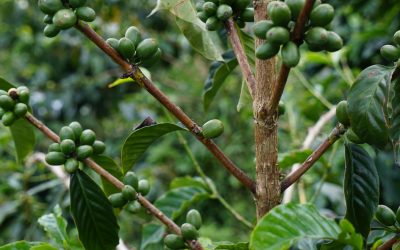
Variety: Unknown
There are still some unknowns in coffee—lots, actually—but this one in particular has us pretty intrigued… If you like mystery stories with a little bit of adventure and a whole lot of 90+ point cups, this might be right up your alley.
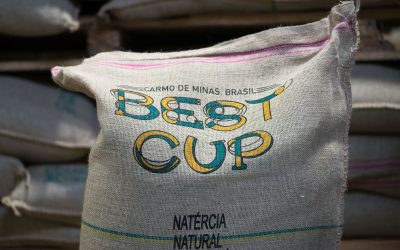
The Rest of the Best Cup
Saying “everyone’s a winner” might be a cliché in most instances, but when it comes to the fantastic but not auction-winning coffees we discover at Best Cup events, the saying is actually true—especially for our customers.
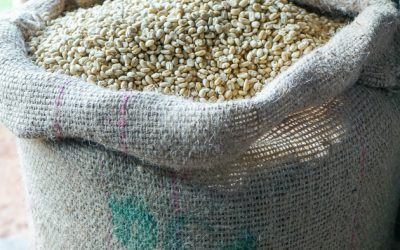
Origin Report: Ethiopia 2018
Times are changing in Ethiopia, and coffee is changing, too: This year marks a lot of transitions both for the farmers and exporters of the world’s oldest coffee-growing country, as well as for Cafe Imports’ presence on the ground there.
One theme seems to stand out for us as we dive into the 2018 harvest in Yirgacheffe, Guji, and Sidama, and that is a look at the past is sometimes the best way to push forward into the future.
Our favorite Instagram tags of 2017
We’re in coffee for the coffee, of course, but maybe even more so, we’re in coffee for the coffee people. Maybe our favorite day of the year is the one where we look back at all the @cafeimports tagged Instagram photos that our friends, customers, producing and export...
Progress Report: Development 2017
When we think about Development here at Cafe Imports, we mean more than simply better coffee, but also better systems—that includes the contributions we make on the ground and in the field, the collaborations we undertake at the farm and mill level, and the work we do to improve our daily lives and operations in our offices and warehouses.
With the end of the year right around the corner, we are proud to share our annual progress report on Café Imports commitment to Development, which not only offers some insight into what we have been working on over the last 12 months, but also what we look forward to in 2018.
Traceable Sumatra: Bergandal Mill
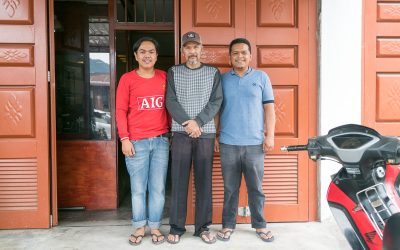
Sumatran coffees are already different from coffees anywhere else in the world, and Sakdan Abdul Wahab (pictured in the hat) represents something even more different: Truly traceable coffees from a microregion within the Gayo Highlands.
You're Invited: Resource 2018
It’s a new year, a new crop, and a whole new selection of opportunities to shrink the distance between your roaster’s hopper and coffee’s source. We at Cafe Imports would like nothing more than to have you join us on our travels into the field (literally) as we seek, study, cup, and source the world’s finest specialty coffees. Throughout the year, we gladly invite our roaster partners along on visits to the producers, mills, and exporters with whom we work year in and year out, to develop personal connections and long-standing relationships, and, of course, to bring home the most delicious coffees we can find.
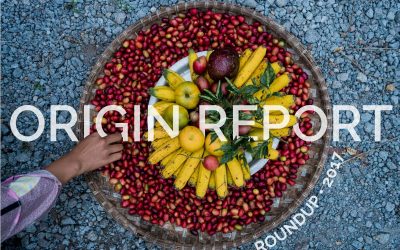
Origin Report Roundup 2017
The Earth made another trip around the sun, and we at Cafe Imports made another trip around the world—visiting partners, sourcing lots, making introductions, managing logistics, and rounding out another year of bringing you the finest specialty coffees. As we get ready to stow our passports for a little holiday break, and before we jet off into the next adventure, we’d like to take a moment to wrap up our year at origin as well as offer a glimpse of what’s to come.
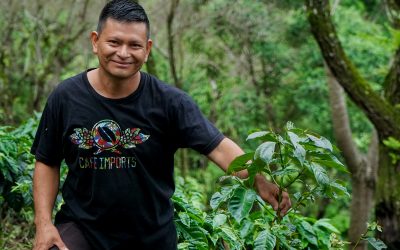
Chalate 2017 – The Project
“Project” is a perfect homonym, because it not only captures the work and careful planning that goes into a task at hand, but it also expresses forward motion, forecasting, prediction—the future. Read more about the present work and future prospects of our Pequeños microlot program in Chalatenango, El Salvador.