Origin Report: Indonesia 2018
A look at the diversity and difficulty of sourcing in Indonesia, one of our favorite far-flung coffee origins.
A look at the diversity and difficulty of sourcing in Indonesia, one of our favorite far-flung coffee origins.
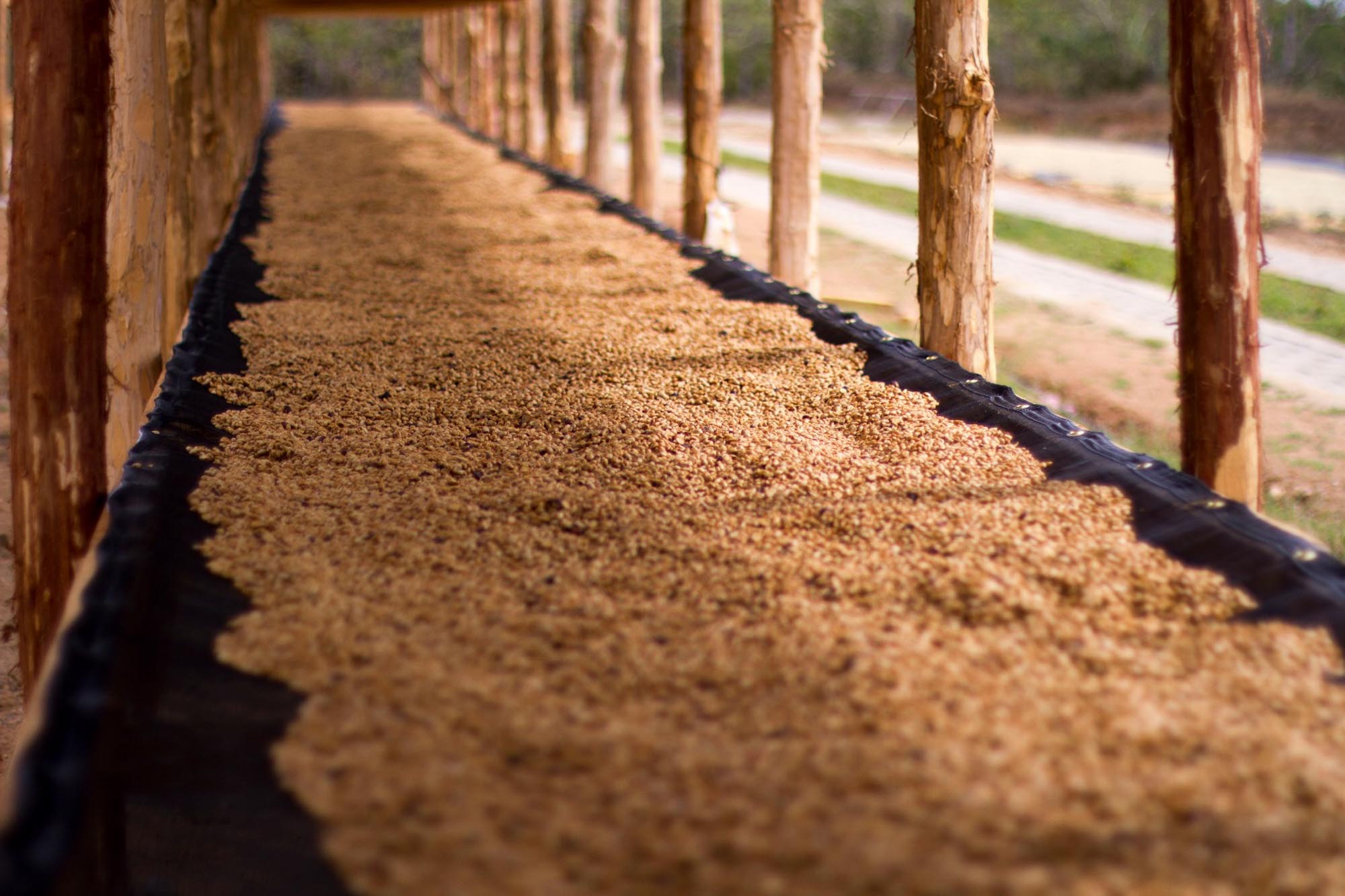
We are in love with Nicaragua, and when we fall for a place, we fall hard. Over the past couple of years, our focus has been on the small specialty producers of Dipilto in Nueva Segovia, nurturing relationships that display huge potential, as well as a continued commitment to the cooperatives with whom we’ve enjoyed strong, stable partnerships for years. While the past few months have been especially hard on the people of this beautiful country, we have found much to celebrate in the highland farms and with the growing specialty-coffee sector: We bet that by the end of this report, you’ll be just as in love—and just as devoted—as we are.

We are pleased to invite roaster of all sizes to participate in the World Coffee Research check-off fund through their partnership with Cafe Imports Australia! Read more about how small change from you can make big change for coffee.
Colombia is a special place to us in general at Cafe Imports, but it’s also the coffee-growing country where the Best Cup competition was born: Along with our partners at Banexport, we created this regional competition to highlight the best and brightest within several of the country’s specific growing areas, beginning with Cauca and Huila. For this year’s cupping contest and auction, we are thrilled to expand our reach to the Nariño and Tolima departments in order to discover even more top-shelf lots from the world’s best smallholder producers.
It’s a little meta to write on your new website about your new website, but we’ve got a new website, and we’re feeling pretty happy about it!
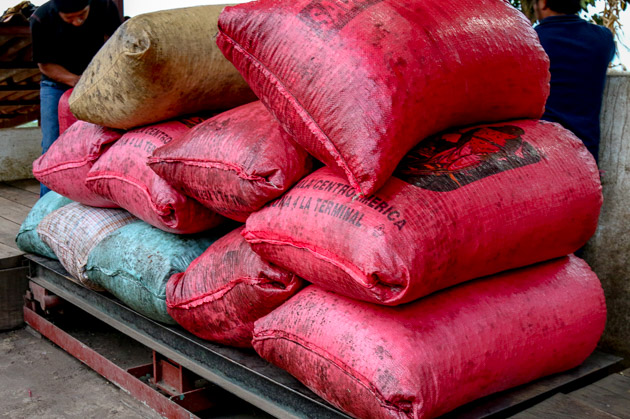
Sometimes the easiest things to overlook are those that are right under our noses-or, in the case of Mexico, perhaps right under our borders. Mexico should have everything going for it as a growing country: Its close proximity to the U.S.A. means shipping and receiving coffees is a relative breeze. It’s full of good varieties farmed sustainably, with a high percentage of certified coffees (both Fair Trade and organic). And it has huge development potential from a quality standpoint. Yet Mexico has seemed to be passed over unenthusiastically for the past few years, considered best for “bulk” or blending lots that are hard to get excited about.
Perhaps ironically, however, Mexico’s neighbor to the south, Guatemala, is one of the darlings of the Central American growing region – a reputation deservedly granted thanks to the exquisite profile and general stable productivity there, of course – but the contrast in impressions among the two countries has inspired us to ask whether the grass is really greener on the other side? What difference does a border make? How can we bridge that gap not only in our perception of the coffees, but also manage to equalize them to and with our customers?
Read more for our latest origin report from Mexico and Guatemala, coffee-growing neighbors who have been around the block a few times.
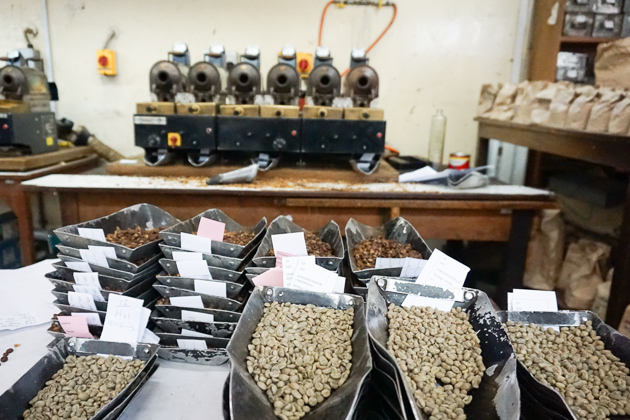
Kenyan coffee is undoubtedly some of the most complex in the world—in more ways than one.
Starting with the most obvious, coffees from this beautiful East African country are big, colorful mosaics of flavor, and tasting the best of the best Kenyans can feel like the coffee equivalent of standing directly inside a rainbow with your mouth open, as if you could taste color.
Then there’s the complicated way that the market operates there: Traditionally dominated by the generations-old auction system, buying specific, individual lots is no easy feat, and not for the weak of heart or light of palate.
Perhaps the most complex thing about Kenyan coffee, however, is the set of ethical questions it raises for us, and the challenges it presents to us as a square peg we have spent decades trying to fit into the round hole of traceability, partnership, and consistency.
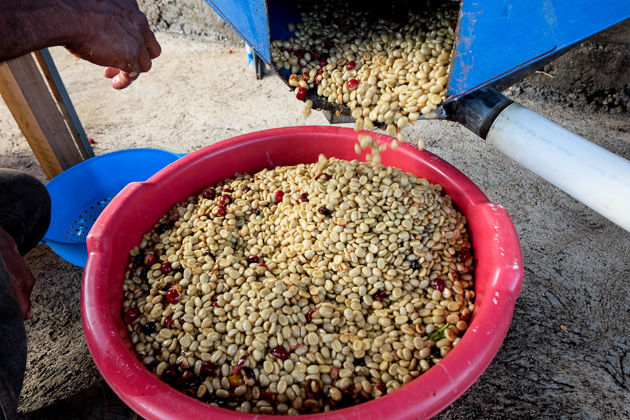
The Open Door program was developed in 2017 to allow our customers to visit our Central American office and lab in San José, Costa Rica. Most Fridays from March through May, guests have the opportunity to walk in to our office and join our Costa Rica–based green-coffee buyer, Luis (“Lucho”) Arocha and sales representative Omar Herrera, to cup coffees and hear about the development work with which we have been involved in Costa Rica. Our producing partners regularly join us for these cuppings, offering unique opportunities for calibration and real-time feedback.
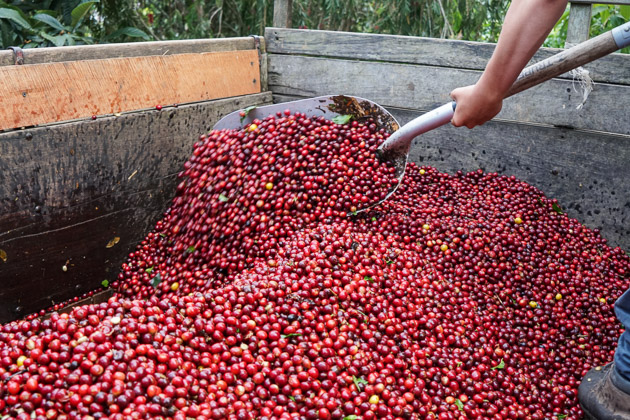
What does it mean to be “engaged” at origin? What does it mean to develop real, genuine relationships in business? What is the true impact of immersion into the culture of a coffee and the people who grow, harvest, process, and mill it? As curious coffee people, and as importers who try to be conscious of the size of our footprint in more ways than one, we ask ourselves these questions all the time.
Perhaps unsurprisingly, the answers vary from place to place, from one situation to another: Some producers operate best with little to no interaction from their buyers, while others find a more personal connection to be deeply meaningful—and everything in between.
When it comes to the producers of our microlots from Costa Rica, which is the better option—Face Time, or face-to-face time? Read more about how we strike the balance of being engaged while not being overbearing, and to create healthy, longstanding partnerships in Costa Rica, one of our cornerstone origins.
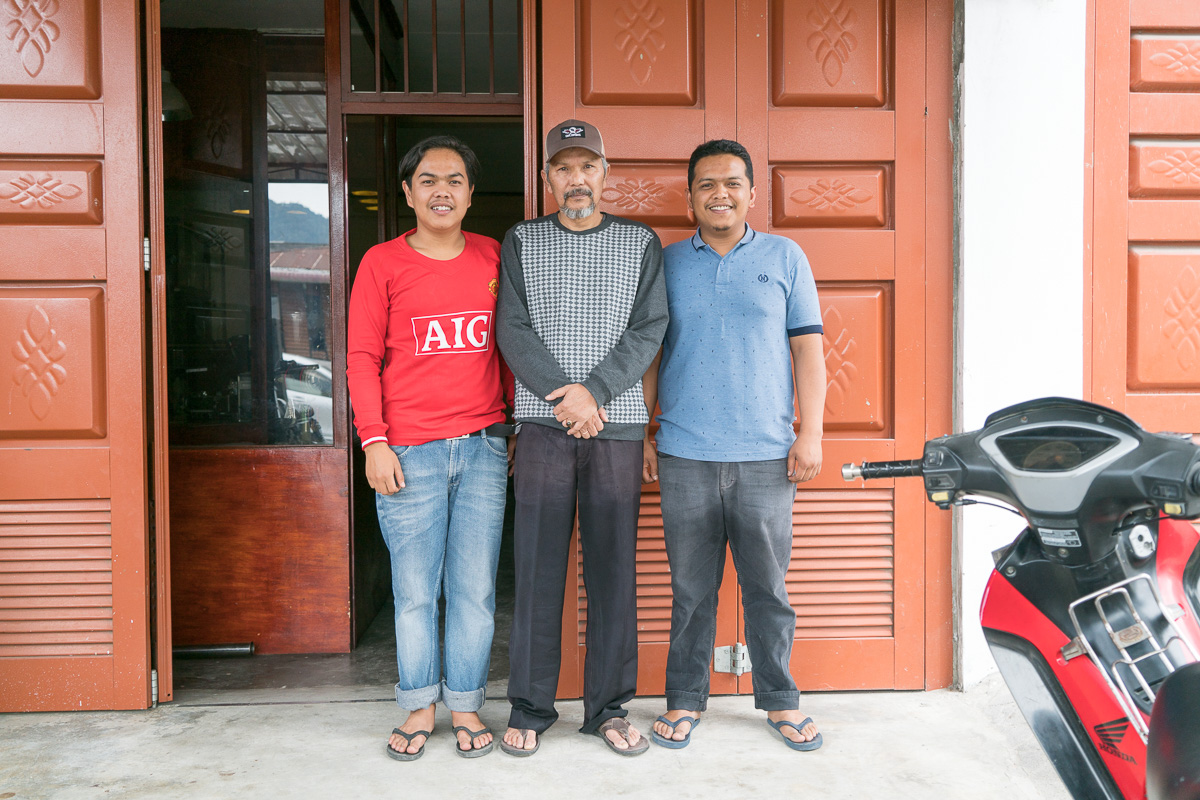
Sumatran coffees are already different from coffees anywhere else in the world, and Sakdan Abdul Wahab (pictured in the hat) represents something even more different: Truly traceable coffees from a microregion within the Gayo Highlands.
It’s a new year, a new crop, and a whole new selection of opportunities to shrink the distance between your roaster’s hopper and coffee’s source. We at Cafe Imports would like nothing more than to have you join us on our travels into the field (literally) as we seek, study, cup, and source the world’s finest specialty coffees. Throughout the year, we gladly invite our roaster partners along on visits to the producers, mills, and exporters with whom we work year in and year out, to develop personal connections and long-standing relationships, and, of course, to bring home the most delicious coffees we can find.
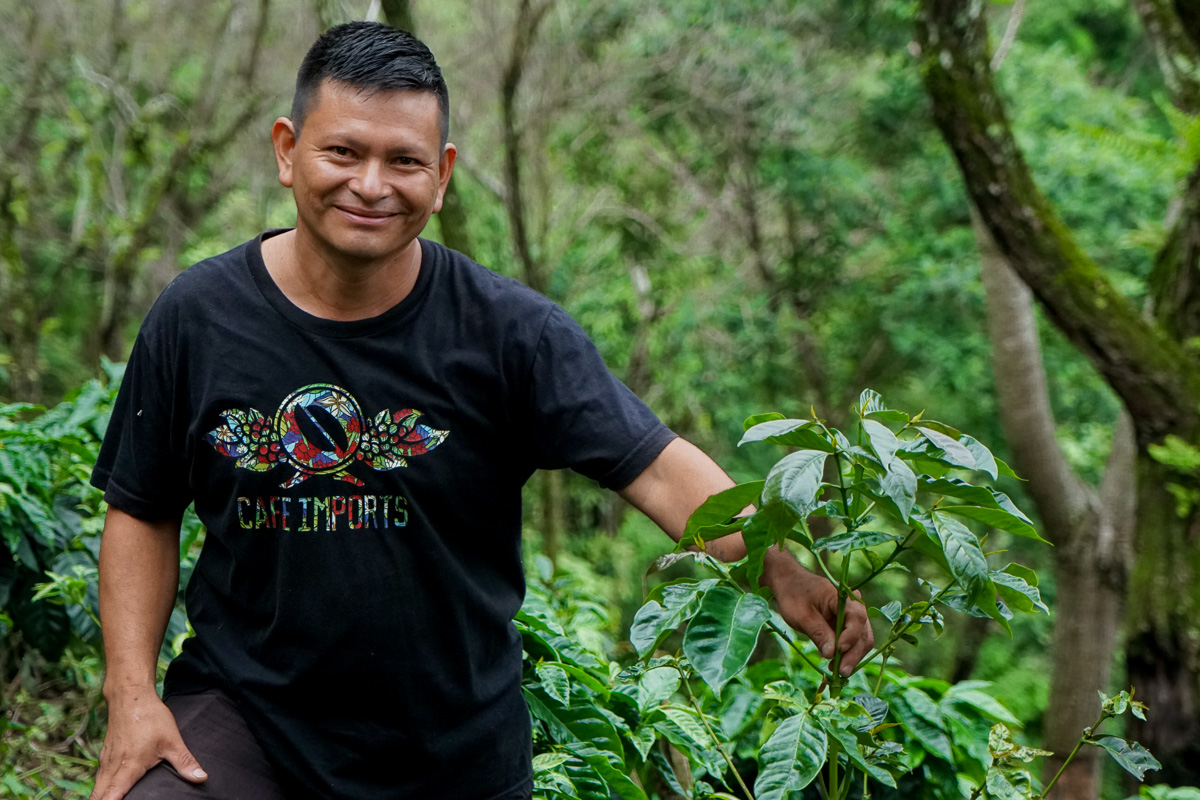
“Project” is a perfect homonym, because it not only captures the work and careful planning that goes into a task at hand, but it also expresses forward motion, forecasting, prediction—the future. Read more about the present work and future prospects of our Pequeños microlot program in Chalatenango, El Salvador.

You’re invited to the grand opening of the Mill City Roasters Campus for the First Annual “Minneroasta!”
Minneroasta is a two-day event taking place Oct 20–21, immediately following the first two-day Introduction to Commercial Roasting Class (Oct 18–19), presented by Mill City Roasters and Cafe Imports.
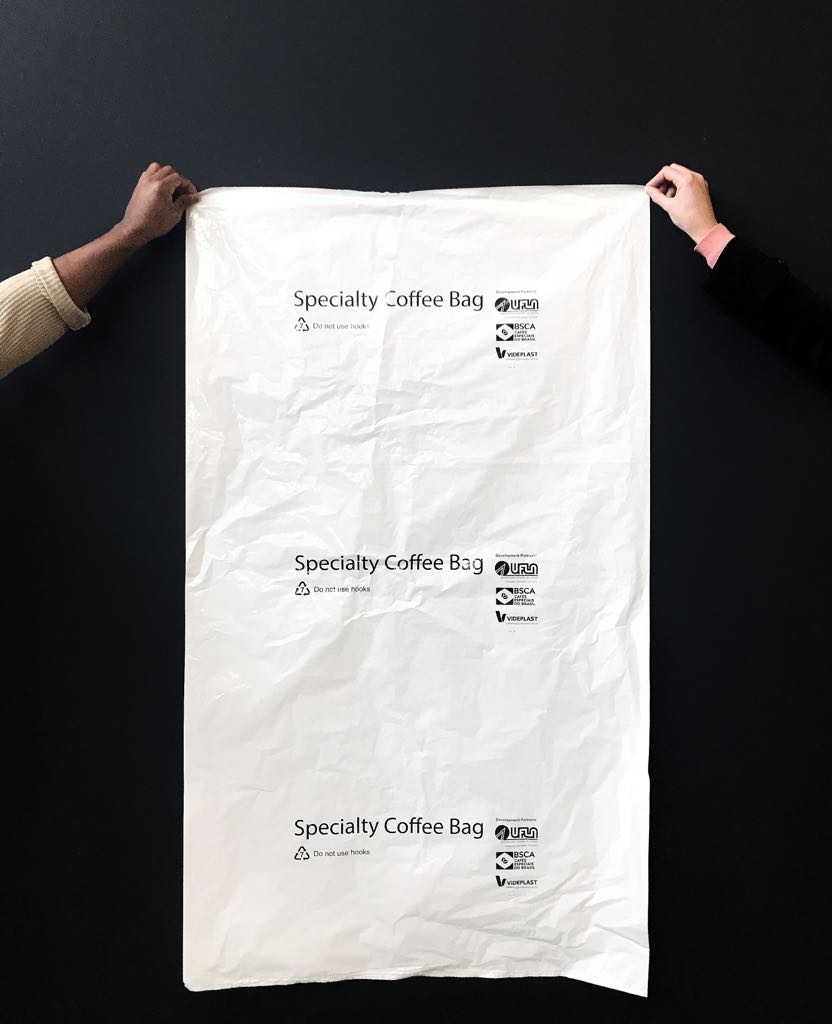
When it comes to geeking out over coffee stuff, there’s the totally cool (drone videos over coffee farms), really cool (processing experiments at micromills), and very nerdy but still pretty cool (heat transfer comparisons between a Loring and a Probat).
Every once in a while, though, we find ourselves completely geeked out over something that’s decidedly not cool—or at least not particularly sexy.
You know… like, bags.
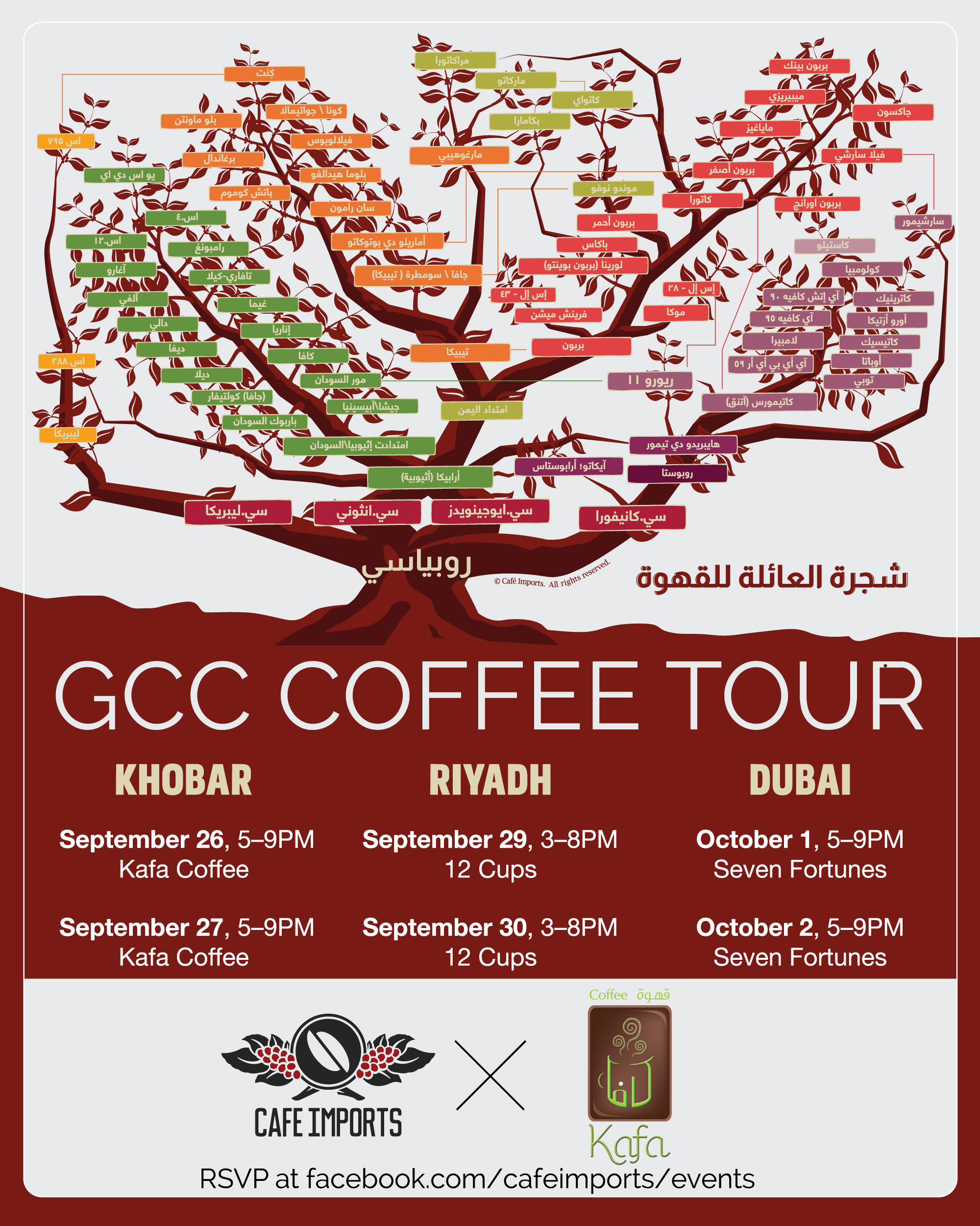
Cafe Imports is headed to the Gulf Cooperative Council! We will be teaming up with our partners at Nukhbat Al Marabih and Kafa Coffee to present educational coffee events and cuppings in three cities across the GCC.
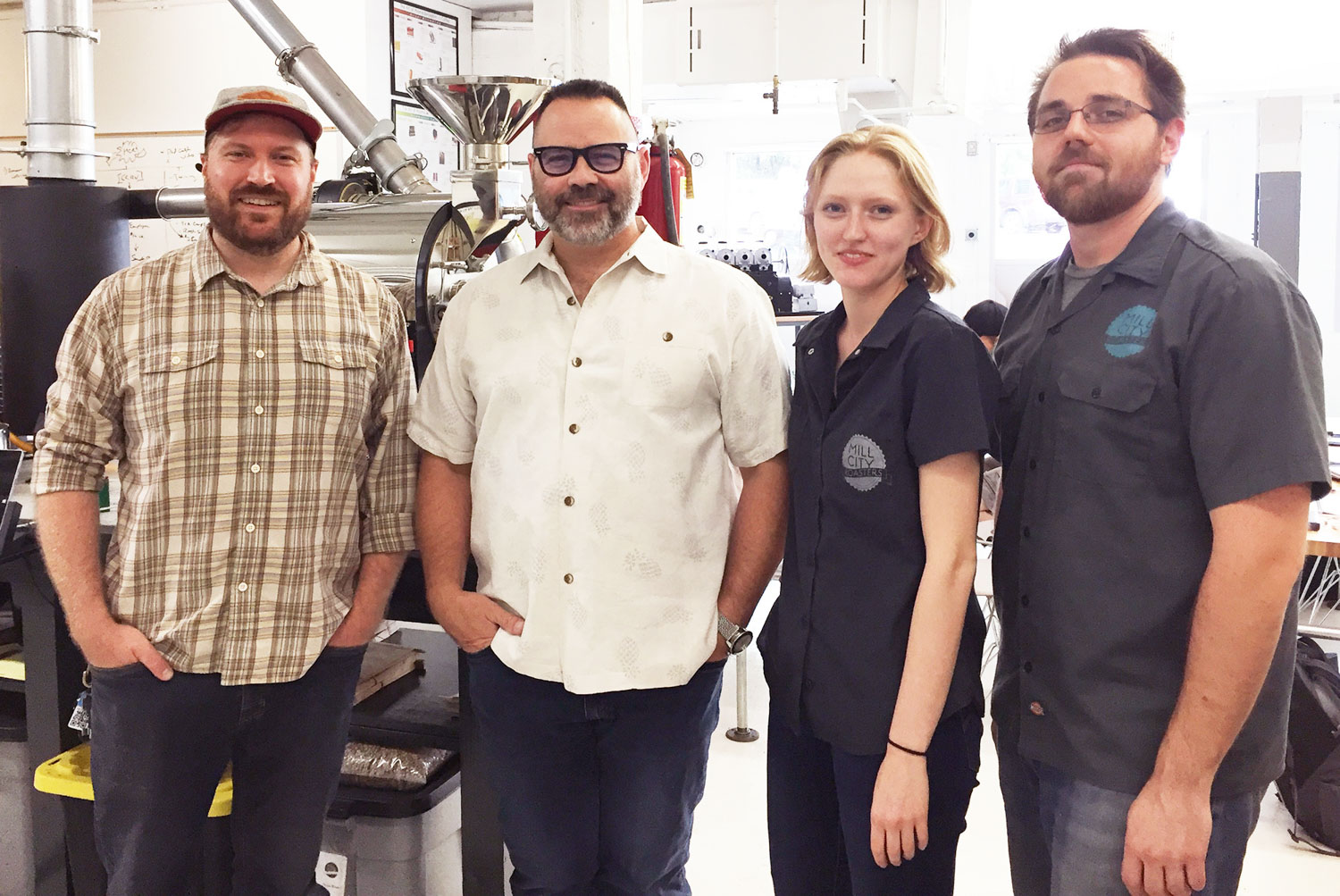
It is inspiring to serve the global coffee community while also surrounded by such thriving local coffee scenes at each of our offices. For example, just one Paul Bunyan–size hop-skip-and-jump down the road from our North American headquarters in Minneapolis, you will find an oasis of roasting experts at Mill City Roasters.
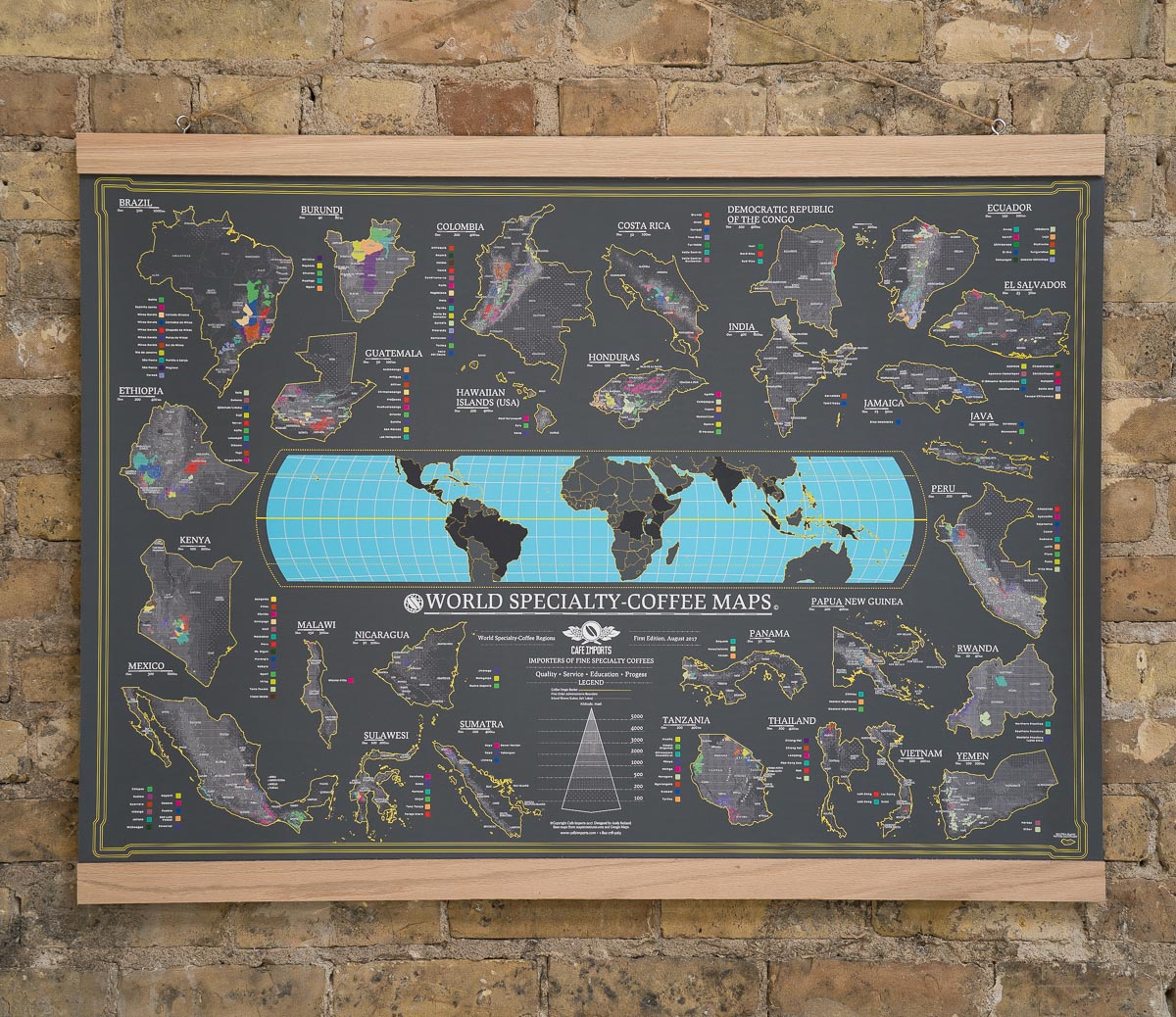
After several years of development, we are pleased to release the first edition of our World Specialty-Coffee Maps. The individual country maps reflect Cafe Imports’ buying history and sourcing efforts, along with the insight of our partners in specialty-coffee-producing regions worldwide.