Storing Your Green Coffee: Best Practices

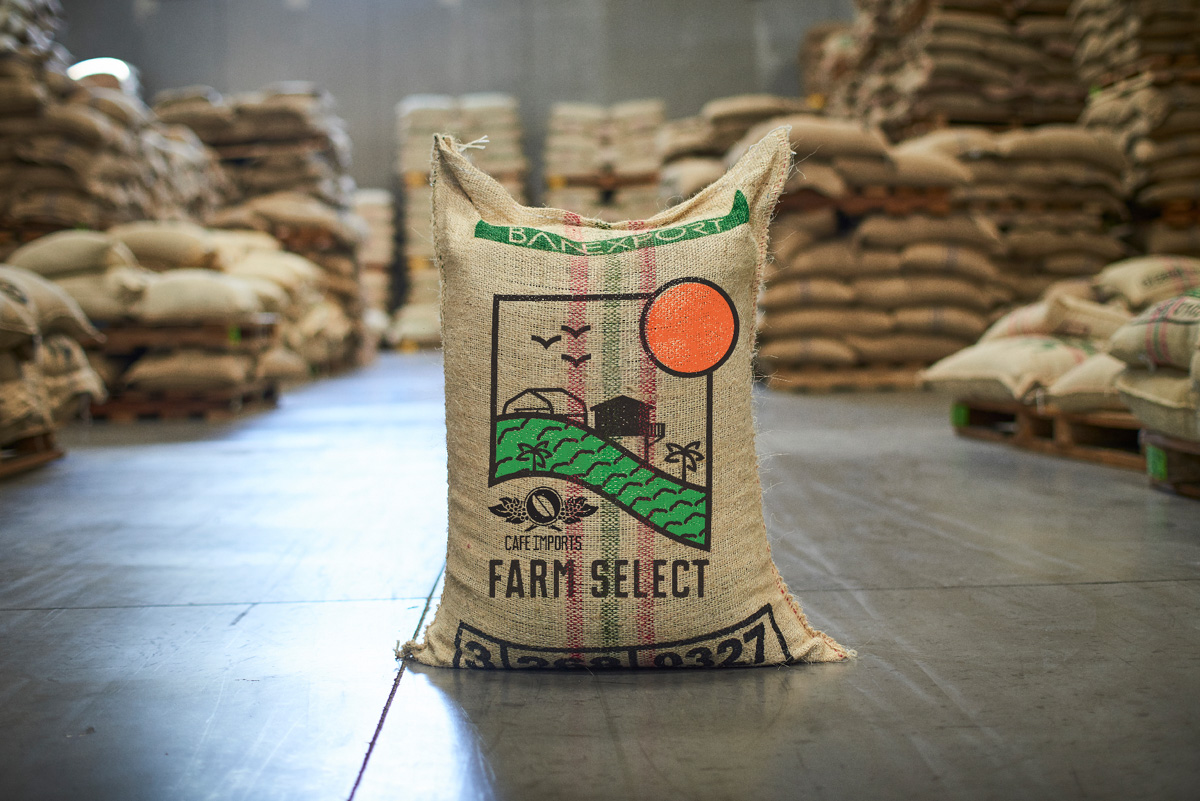
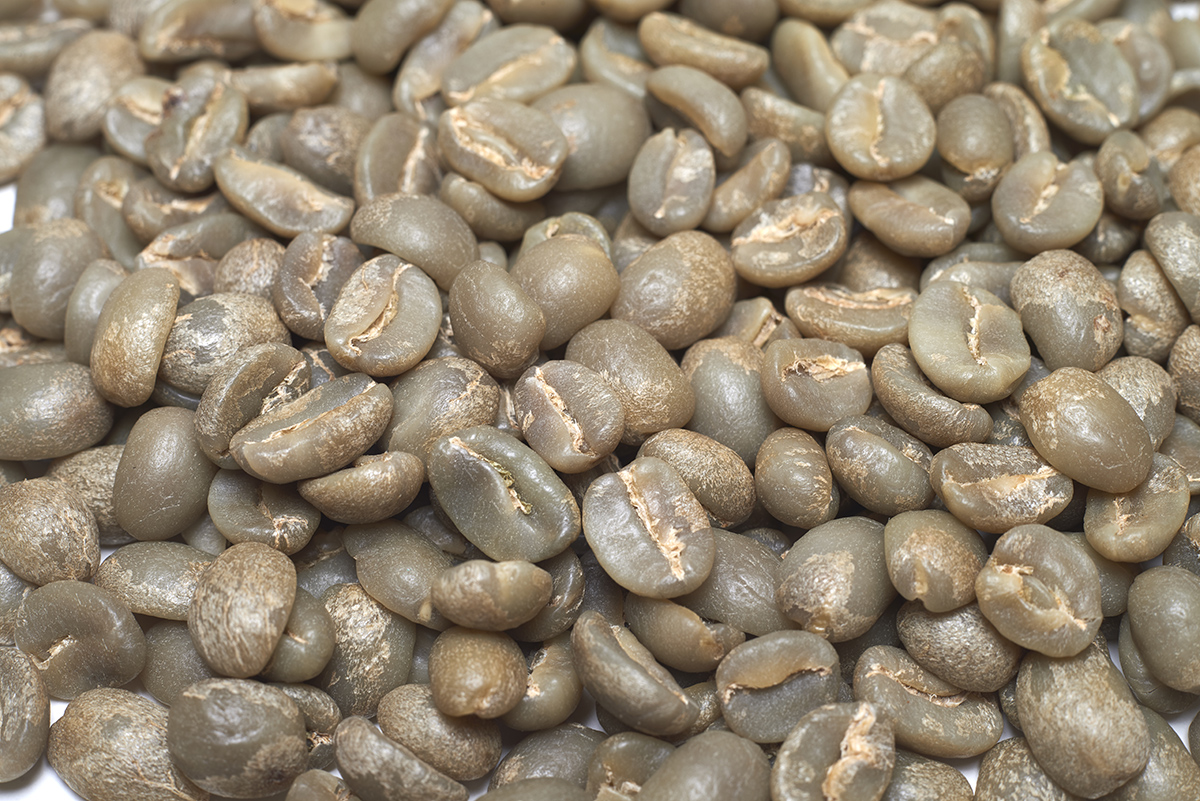
If you’re wondering what the ideal conditions are for storing your green, we’ve got a long answer and a short answer for you. The short answer, according to Cafe Imports’ sensory analysis director Ian Fretheim, is, “Cool and dry. That’s really it.”

Of course, there’s never just a short answer. Read on to find out about some specific conditions and containers that might help you preserve the quality and longevity of your favorite lots.

What’s “Anaerobic Fermentation” and Why Is It So Popular All of a Sudden?

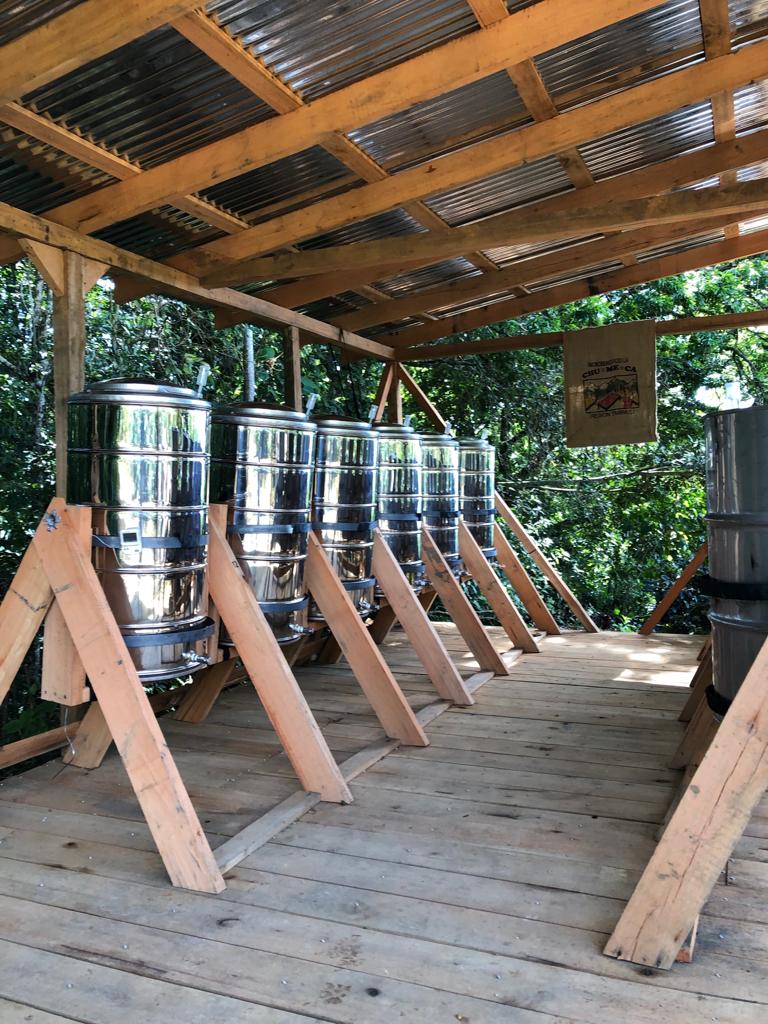
Nothing stays the same in coffee for very long, and producers are always seeking new and improved ways to differentiate themselves, moderate their coffee’s flavor profiles, and offer exciting and interesting flavors to roasters and consumers all over the world. Sometimes a little experimentation and ingenuity can go a long way without having to re-invent the wheel, which is why we’re interested in the increasing popularity of anaerobic-environment fermentation.

Harvest Brief: Jamaica 2019 – A Story of Resilience and Recovery Fueled by Coffee

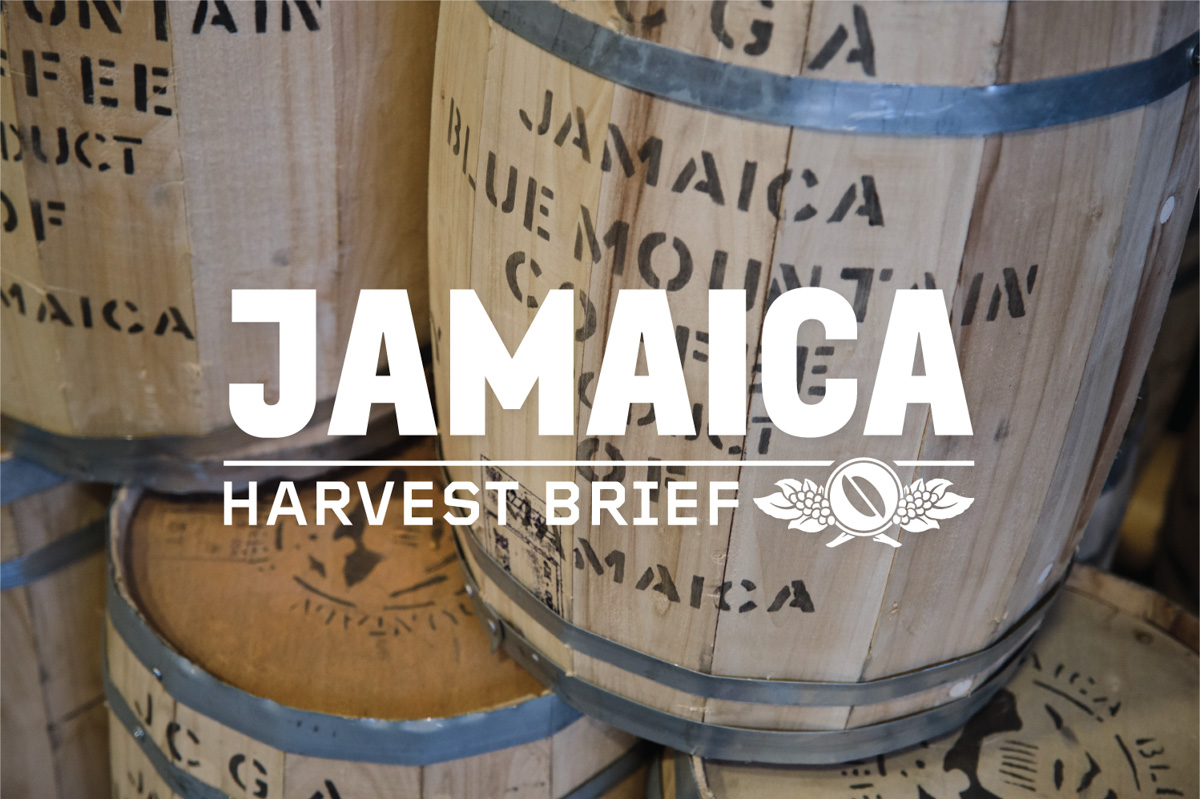
After several years of hardship and a very long recovery, Jamaica’s coffee industry is showing signs of rebirth and rejuvenation, along with prices that make these famous beans more accessible to our roaster-partners. We are looking forward to new arrivals on the way from the Jamaican Coffee Farmers Association, a small private company that processes the coffees of about 250 smallholder producers, most of who have been working to bypass the established estate system to have more control over their own coffee and, hopefully, allow them to keep a higher percentage of the notoriously high prices paid for Jamaican barrels internationally.

Harvest + Trip Report: Ecuador 2019

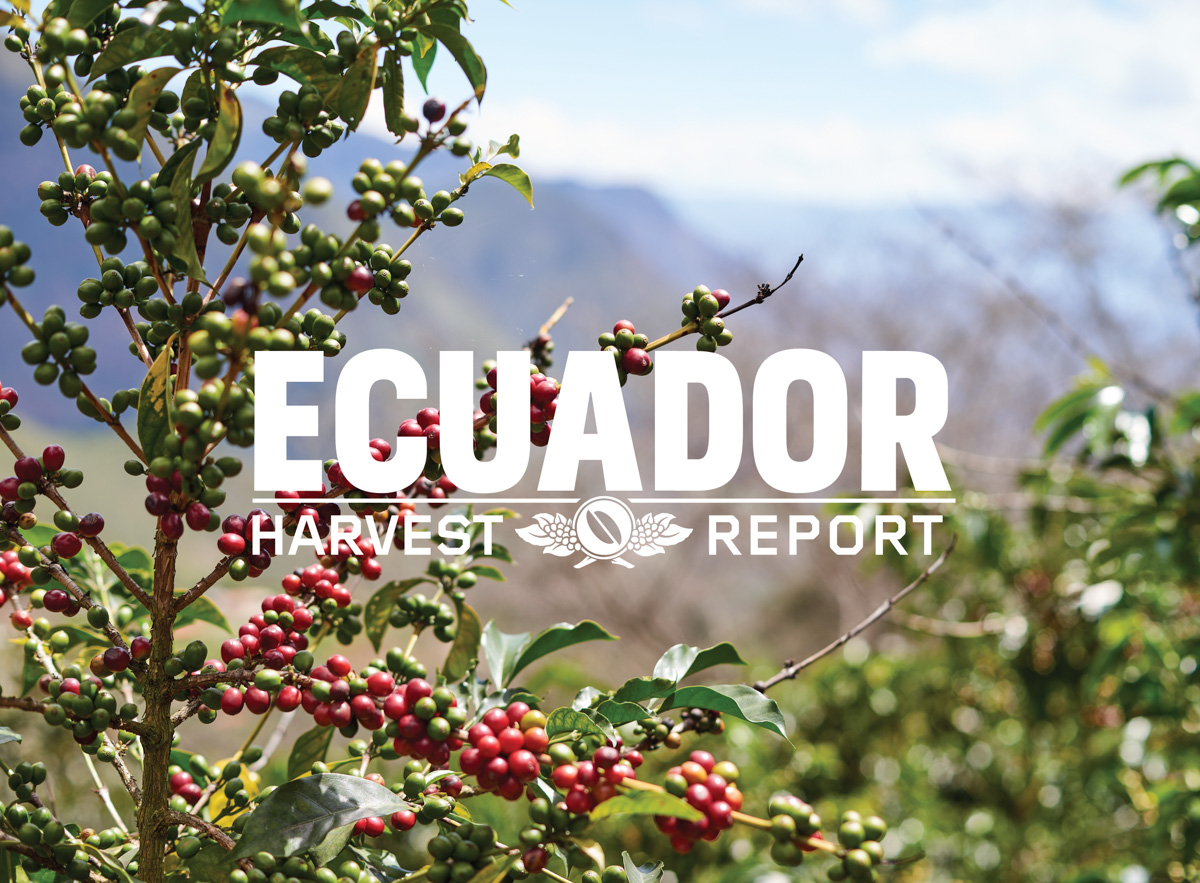
Ecuador is not typically the first place that comes to mind for fans of specialty coffee, but it’s not because the country lacks great cups: Some of our favorite South American coffees come from the misty mountains of Pichincha in the north and the biodiverse province of Loja in the south. Ecuador’s border neighbors of Colombia and Peru tend to outshine it in terms of annual yield and recognition, but every year the country’s reputation for quality, clarity, and personality inspires more and more specialty-coffee hunters to look to the farmers here for new profiles, captivating stories, and strong potential for growth.

Cafe Imports Participates in the Specialty Coffee Transaction Guide

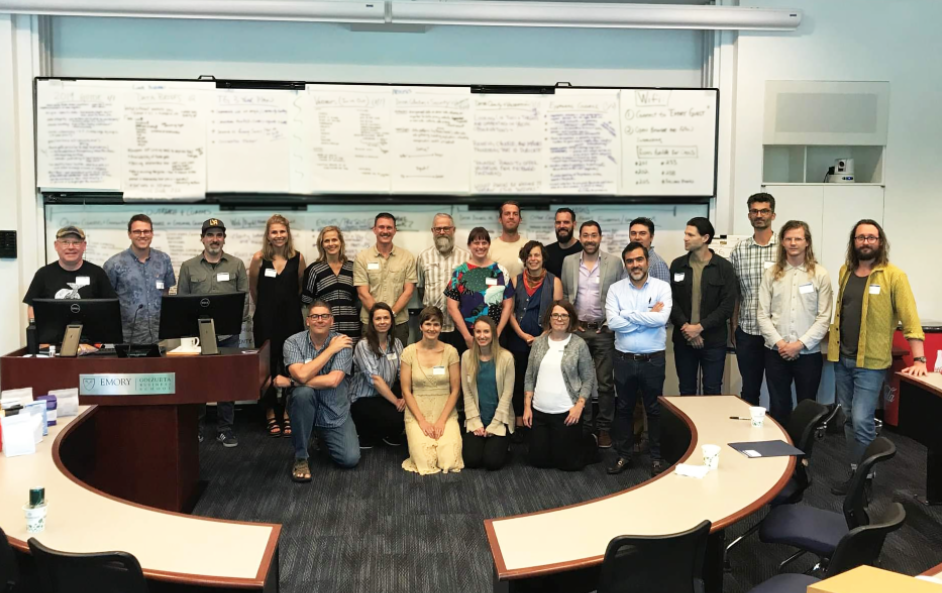
Specialty-coffee people around the world are motivated to make change to our corner of the industry, perhaps now more than ever: More and more we’re engaging in open conversations about the coffee price crisis, evaluating the existing coffee business models, considering our appeal to the consumer marketplace, and looking for potential positive solutions to the historically low C-market price for coffee, and low coffee prices overall.

Oxcart Coffee, Season 1: ¡Gracias Por Visitarnos!

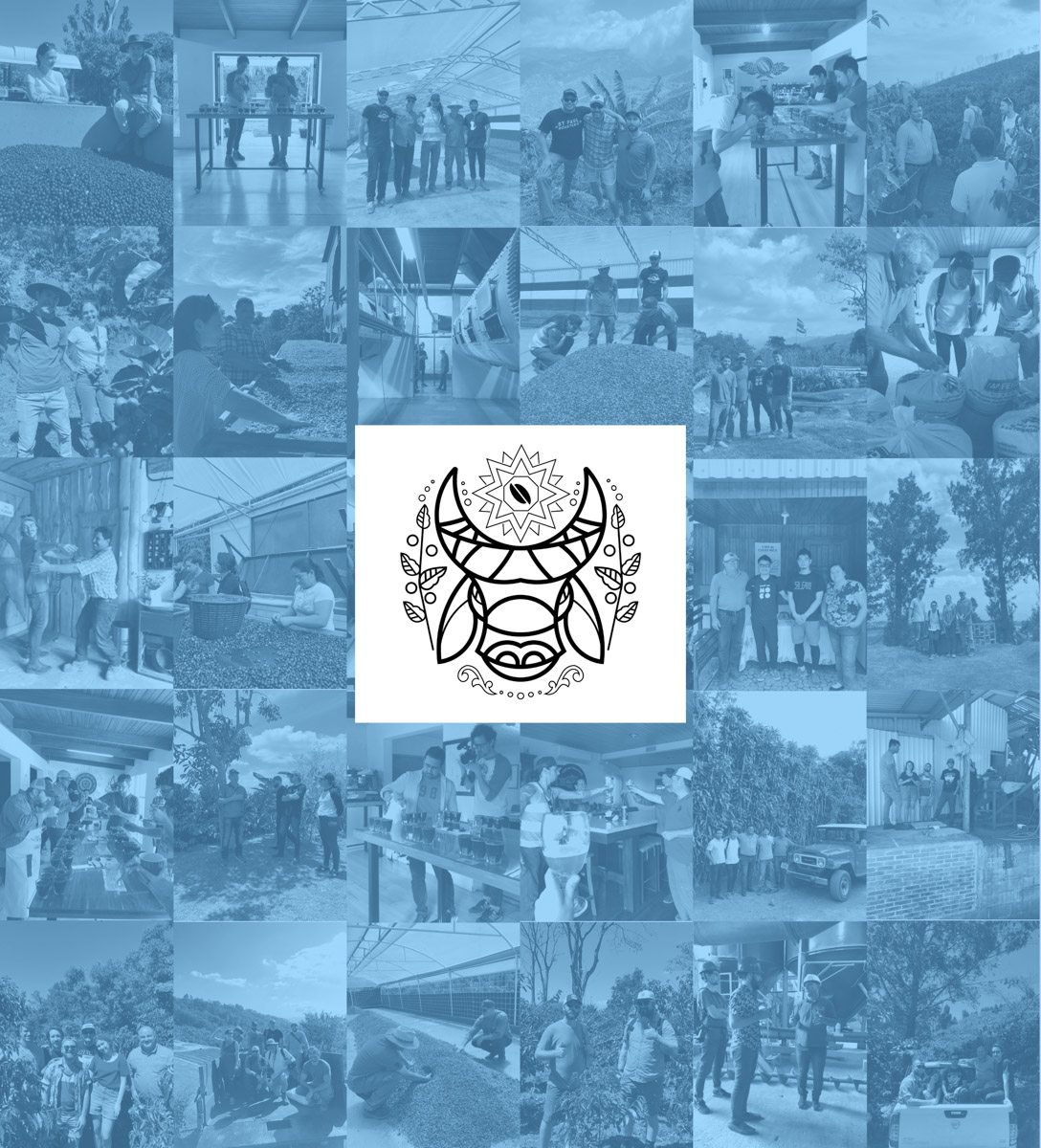
The Oxcart Coffee – Cafe Imports Latin America office officially opened in San José, Costa Rica earlier this year, before the busiest part of the harvest season in that producing country. It was intended as a full-service export-import office where our green-coffee sourcing team in Costa Rica (green-coffee buyer Luis Arocha and green-buyer’s associate Francine Ramirez, along with Adriana Abarca in logistics and Eduardo Ramirez in sensory analysis) could receive, catalog, roast, cup offer samples, and contract and pay for coffees from the local producers with whom we’ve been working the past many years—but it very quickly became much more than that.

Women Coffee Producers Trip 2019

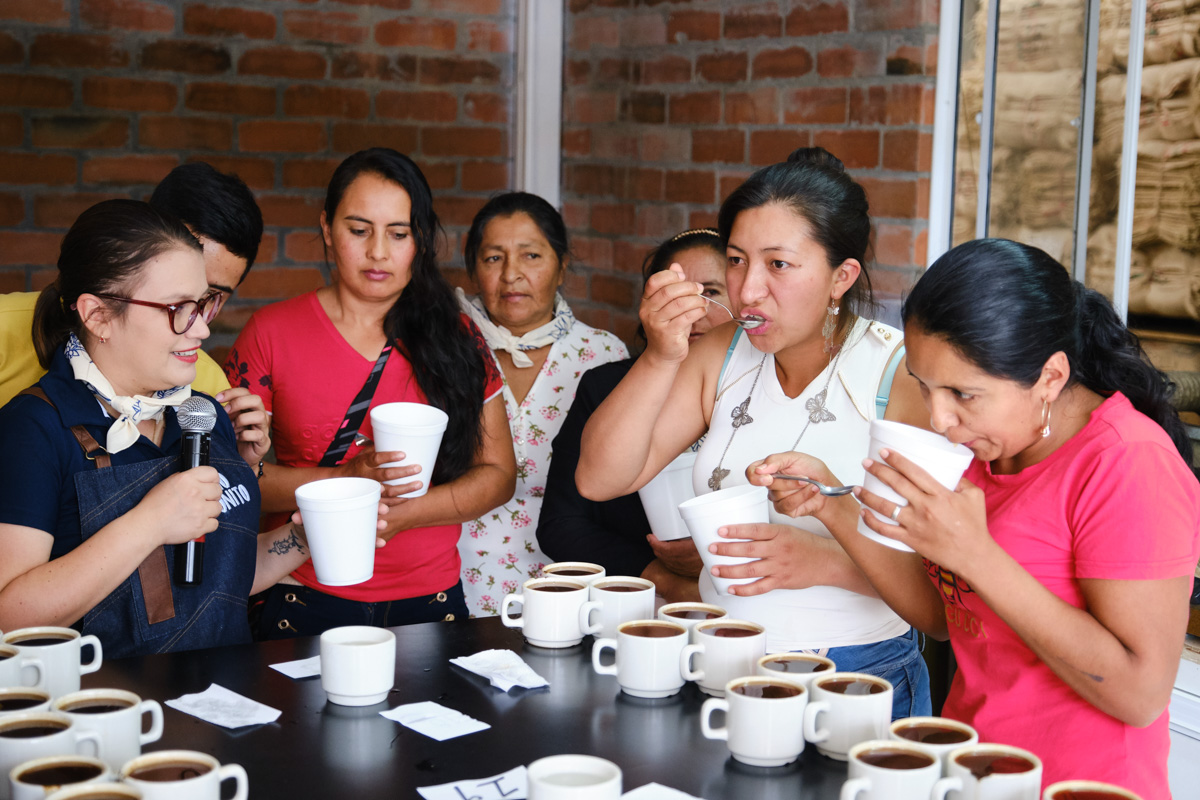
For the past two years, we have hosted a Resource trip to visit some of the associations who participate in our Women Coffee Producers program, a coffee-sourcing project through which we buy coffee from co-ops comprised entirely of women, or subgroups of women who are members of coed associations.
The coffees we buy from WCP participating women are given a gender-equity premium on top of their quality premium, as a way of attempting to bridge the pay and recognition gap that exists in most coffee-growing countries. Just a few weeks ago, our WCP trip went to Cauca, Colombia to visit AMACA and ASMUCAFE, and the experience was unforgettable for everyone. Click below to read a blog about the trip, featuring reflections from Cafe Imports staff as well as a few of the strong women roasters who came along.

Learning to Cup in Hawaii: The Kona Cultural Coffee Festival and the HCA Coffee Competition

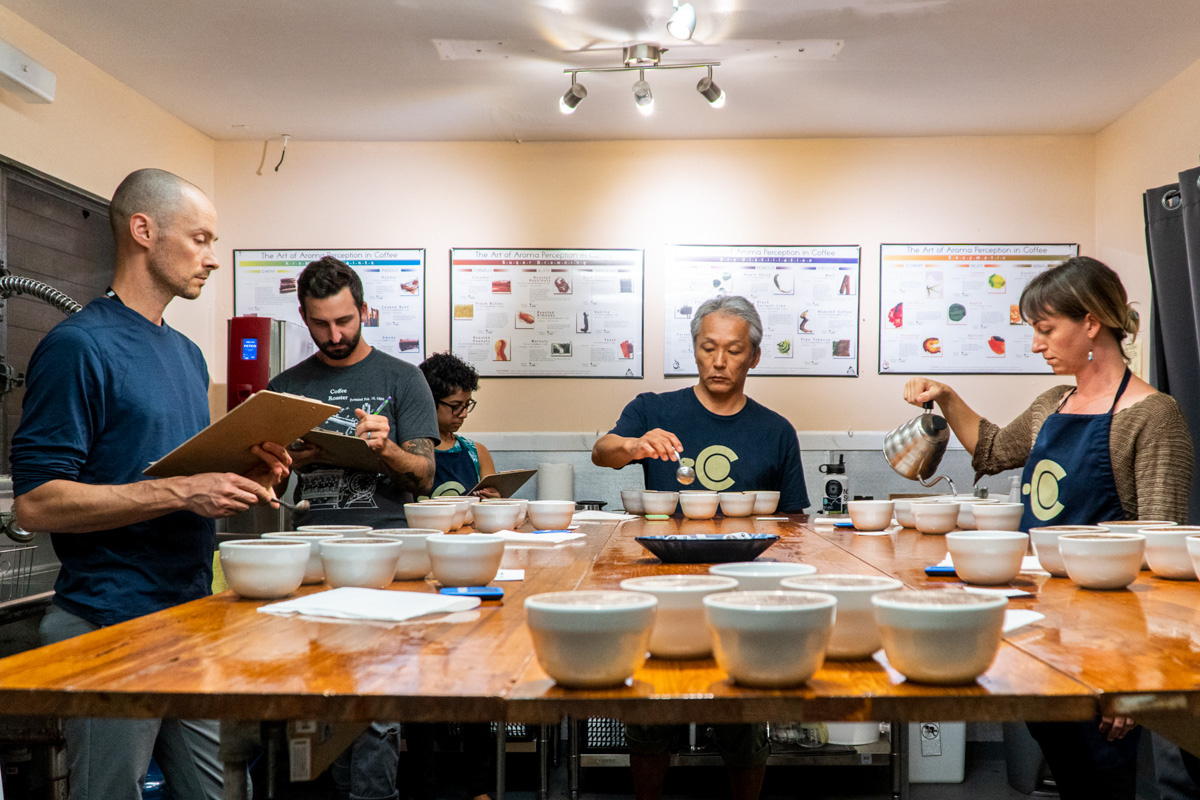
Cafe Imports’ sensory analysis director, Ian Fretheim, is so curious about cupping that he’ll happily travel to the most remote place in the world to study it. (It helps that the world’s most remote landmass also happens to be Hawaii.) He’s had some thoughts about both Hawaiian coffee in general as well as our industry-wide cupping practices after coming back from the Kona Coffee Festival and after serving as head judge in the 2019 Hawaiian Coffee Association Cupping Competition. Climb into the mind of Ian Fretheim here.

Mexico Harvest Report 2019

There are lots of coffee-growing regions with potential, but when we think of untapped opportunities to invest in producers and make a real impact on quality and recovery, we can’t help but think of Mexico as a perfect example of what “potential” means from a coffee source. There are good varieties, a strong cooperative culture, and more streamlined logistics—so what has kept Mexico from truly shining as a growing region?

El Salvador Harvest Report 2019

It’s been another season to celebrate forward momentum and growth in El Salvador, senior green-coffee buyer Piero Cristiani reports after the end of the recent harvest. After several years of struggle following an outbreak of coffee-leaf rust, this small but strong producing country is boasting a bigger yield and stellar cups of Pacas and Pacamara, the latter variety “a national treasure of El Salvador,” Piero says.

The Decaf Dreams Are Made Of

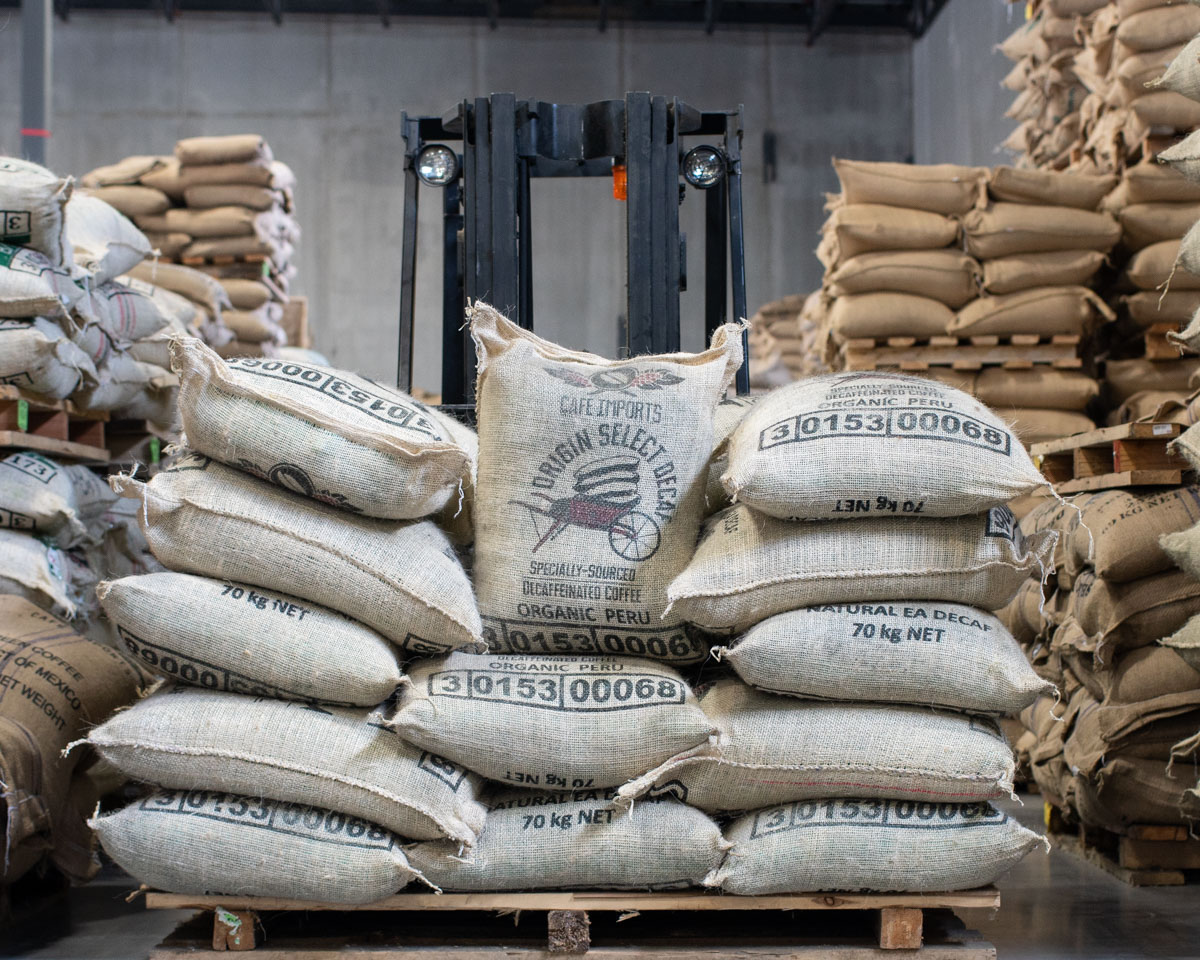
When specialty-coffee professionals say, “You gotta try this decaf,” you know you should either worry about them (“Decaf?? Are you…feeling ok?”) or maybe—just maybe—you should listen and give it a try. Well, we’ve been saying you gotta try our E.A. decafs for a while now, and you don’t need to worry about us at all: They really are that good. Like, 86 or 87 points good. Like sweet and tart fruit, lemon, apple, berry, and caramel flavors good. Well, we’ve got big news for decaf lovers and we don’t want you to sleep on it: While we’ve previously focused on Colombian coffees for this decaf process, we’re thrilled to now offer E.A. decafs from other regions as well!

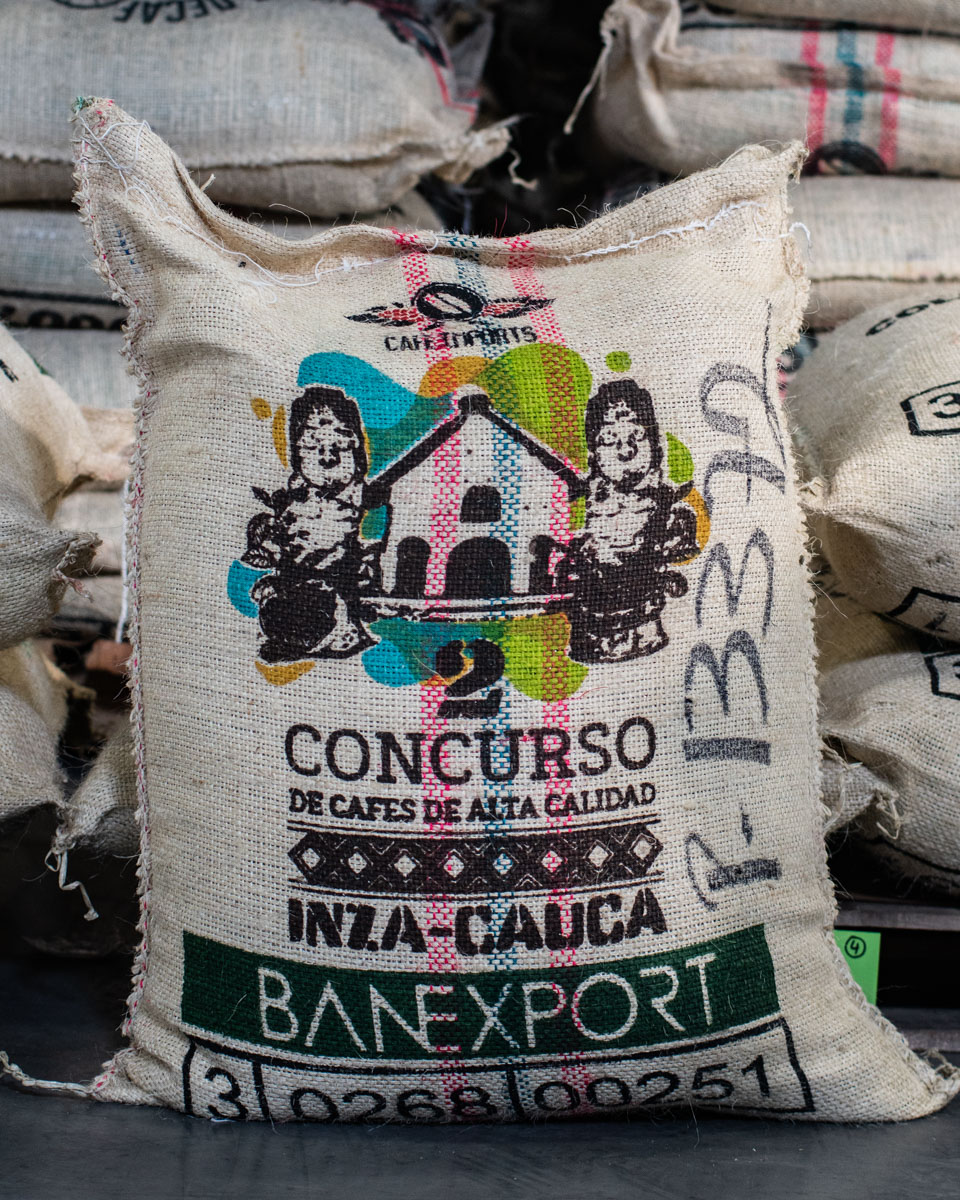
Contest-Winning Coffees from Inzá, Cauca

We taste a lot of coffee every year, and we probably taste the most from Colombia in particular, so when something stops us in our tracks from that growing country we know there’s more to the story. That’s how we came to love coffees from Inzá, a valley town in the department of Cauca, practically pressed up against the Huila border.

Carmo Best Cup 2018

Best Cup is designed to highlight the great work and vast potential for high-end specialty coffee within a particular microregion, and Carmo de Minas is a perfect location for that kind of signal boosting: CarmoCoffees, a developer and exporter of specialty lots there, works with more than 2,000 small- and medium-size farms in Carmo de Minas and has been one of the most active supporters of farmers transitioning from a focus solely on volume to one that takes quality into account.

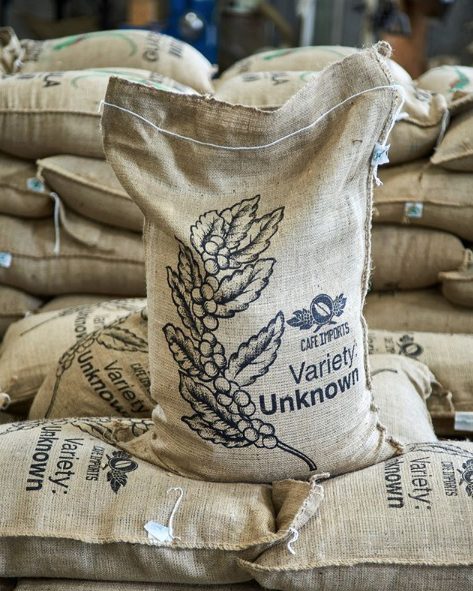
Previously, on “Variety: Unknown…”

Cafe Imports longtime green-coffee buyer for Colombia, Andrew Miller had seemingly stumbled on exactly the type of coffee mystery we love: He tasted something on the cupping table that he could hardly describe, let alone identify. What *are* these mystery coffee beans?

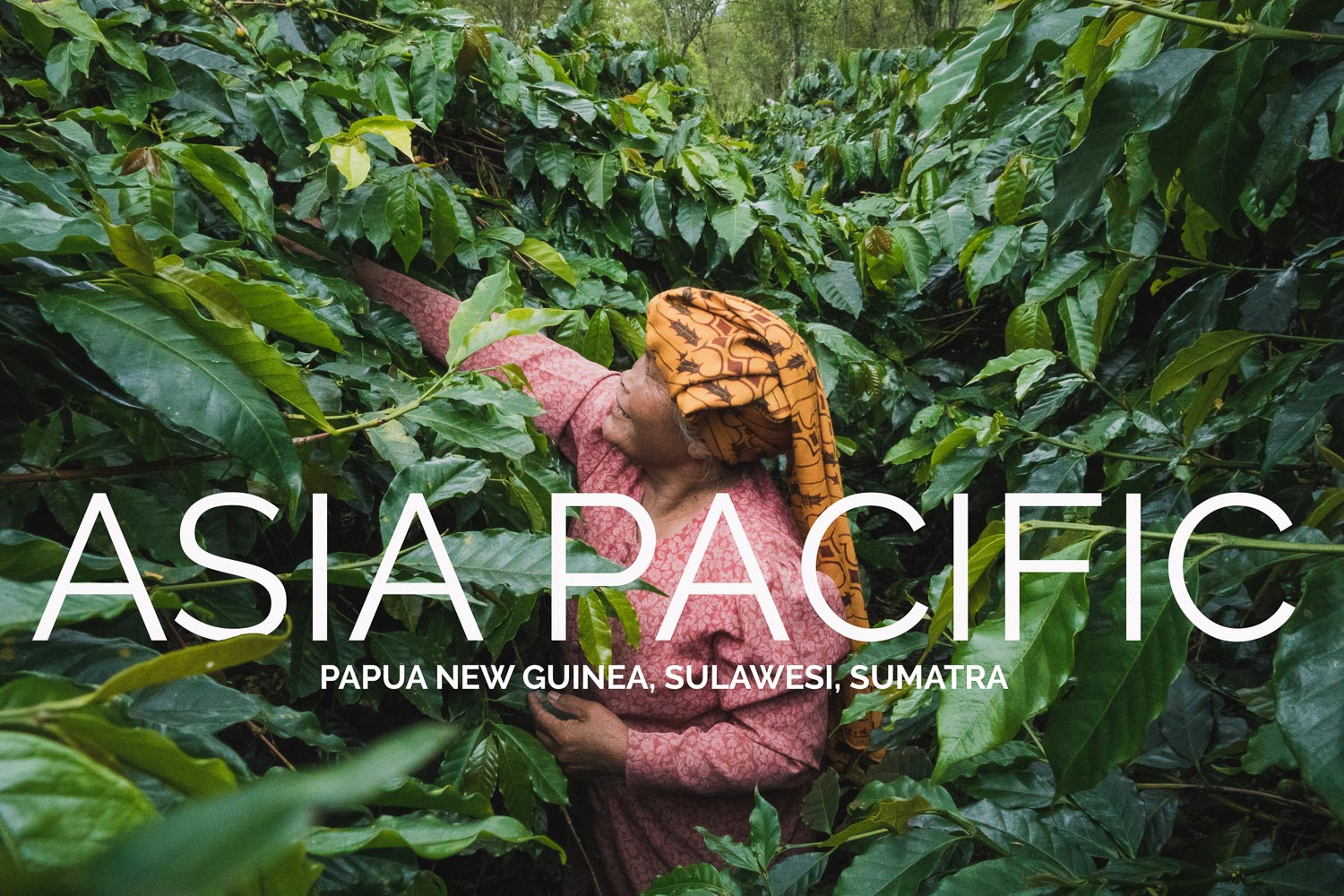
Origin Report: Asia Pacific (PNG, Sulawesi, and Sumatra) 2017

If we were in the BBQ business instead of the coffee business, we would never try to sell Kentucky ribs to someone looking for Texas brisket. Just because both come from Southern states known for an obsession for smoked meat doesn’t mean they’re automatically interchangeable—a fact we generally know to be true in coffee, especially when comparing, say, Colombians and Brazils, or Kenyans with Ethiopians.