
Ratnagiri Estate: A New Era of Coffee from India
FROM THE ABUNDANCE OF THE WESTERN GHATS
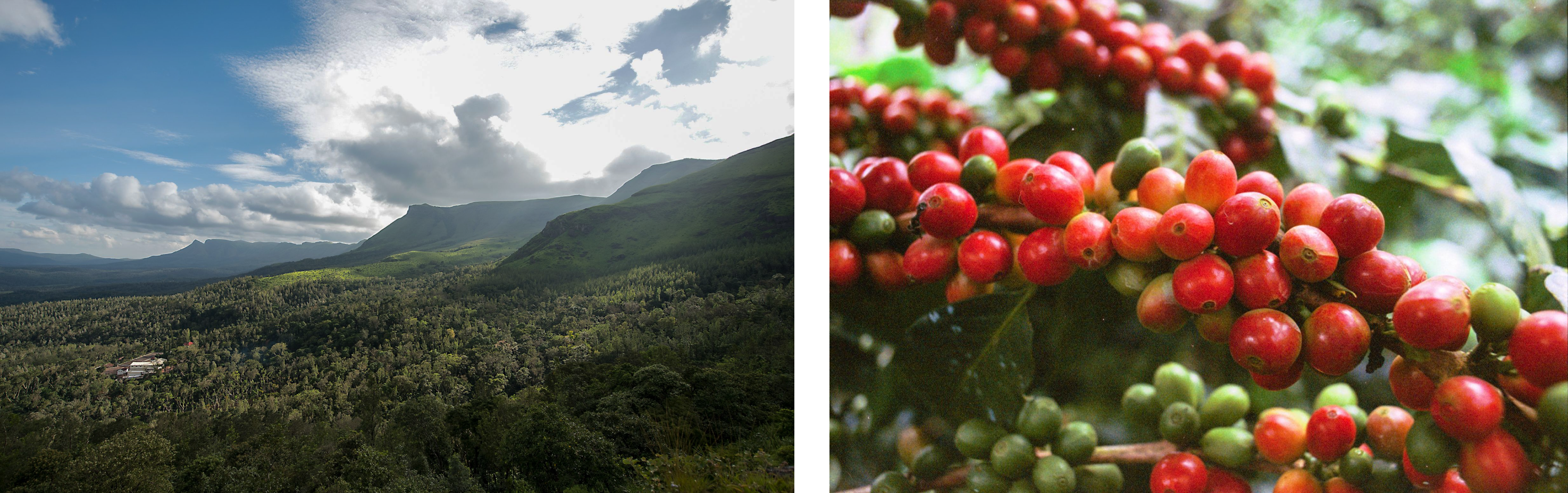
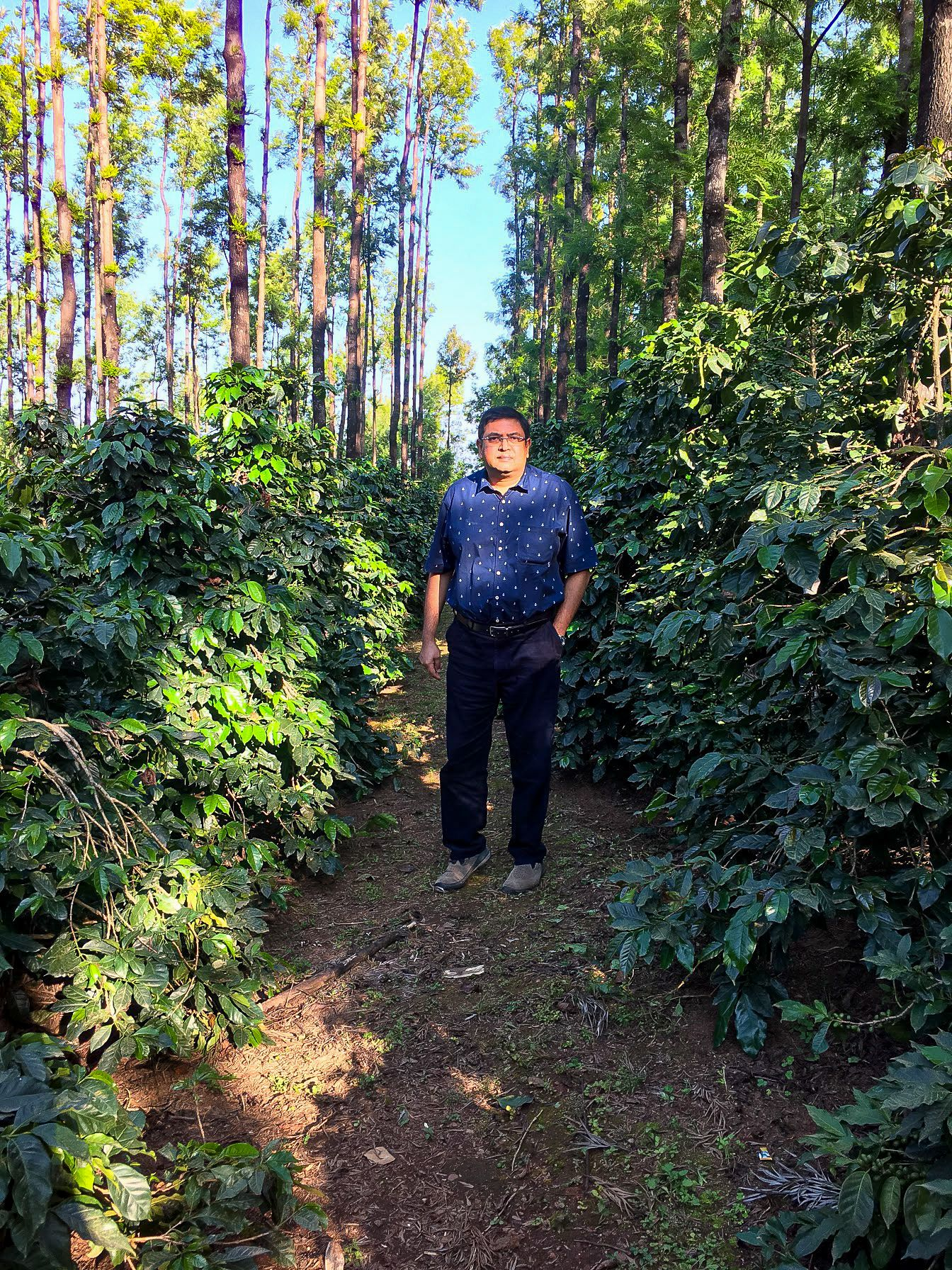
The Western Ghats, or Sahyadri mountain range, runs parallel to the coast along the western edge of India, reaching south into the Karnataka State. Westerly monsoon winds carry dense rain clouds that break on the intercepting mountain range, sustaining the rainforest’s flora, fauna, and wildlife. Ratnagiri Estate is situated in the southwestern Ghats’ foothills, where the mountain meets the Deccan Plateau near Bababudangiri, the birthplace of India’s coffee production. This abundant mountainside is canopied by silver oak trees, shading the coffee that’s been grown below for generations. The Patre family founded Ratnagiri Estate in 1927, and Ashok Patre assumed ownership in 1989. Since then, Ashok has revolutionized coffee production on his farm and in India.
India may not be well-known for its specialty coffee production, but over the past five years, we’ve been consciously sampling more coffee from here in search of a source to introduce India microlots to our offerings. We met Ashok Patre a few times in recent years and finally sampled his coffees in early 2023. Using our newly developed cupping form, The Coffee Rose, the quality of the offerings was evident. As Ashok told us, “Slowly, we were successful because the coffee spoke for itself… It was a long journey, but well worth it because we were able to showcase that even India can produce some really good specialty coffees.”
ASHOK PATRE: A PRODUCER’S JOURNEY INTO SPECIALTY
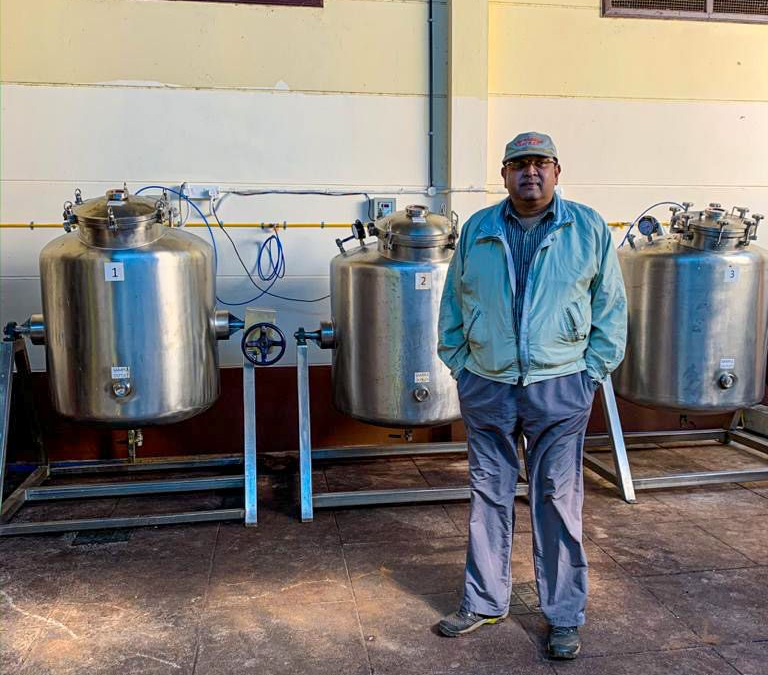
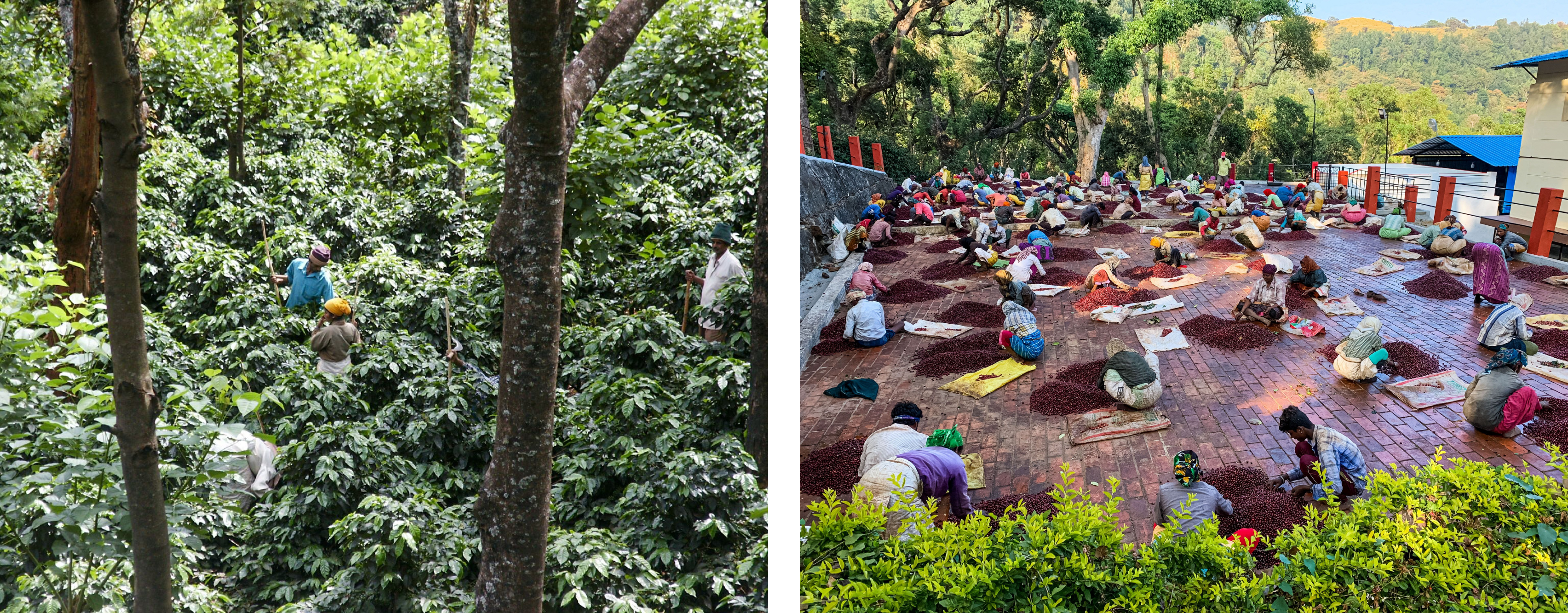
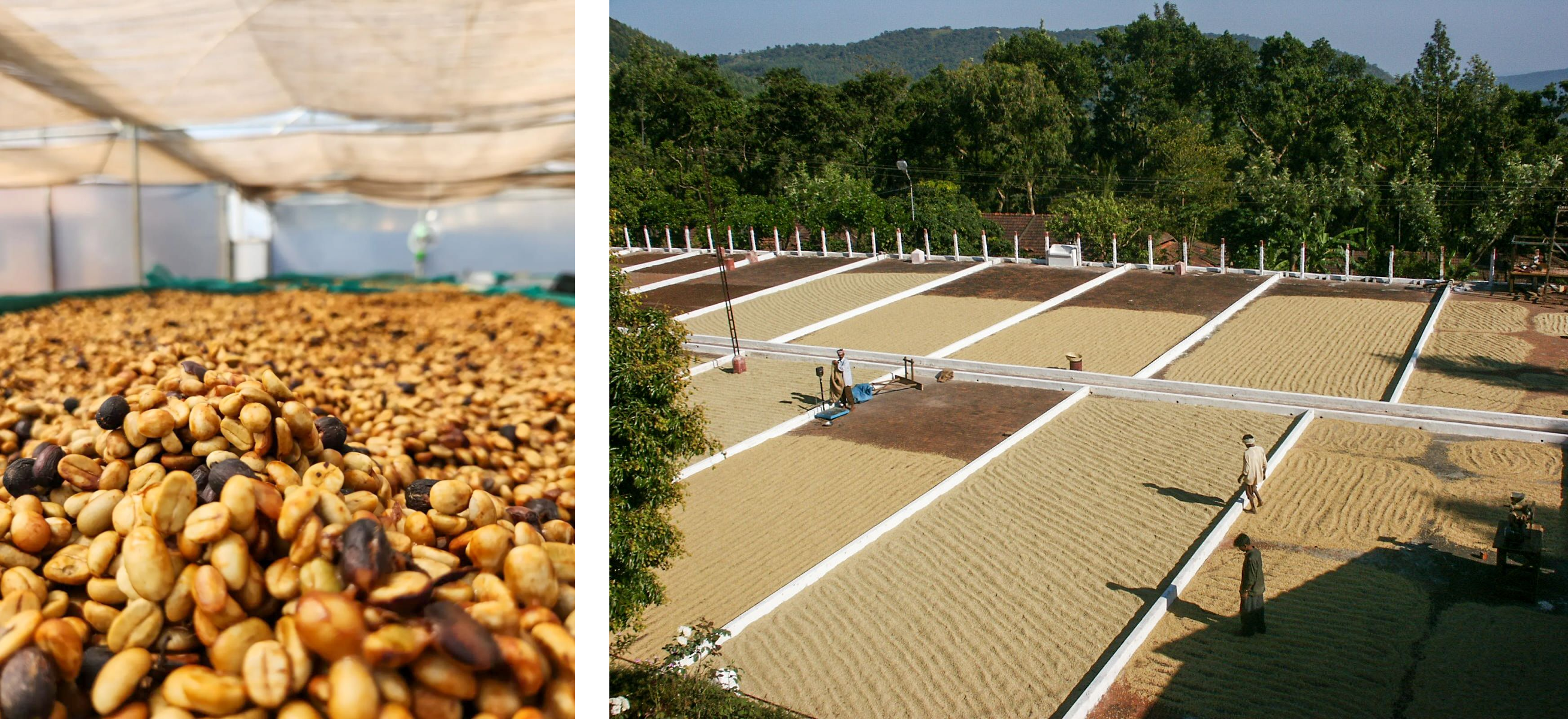
We met Mr. Patre at SCA Expo in Portland most recently and learned more about him, his farm, and his production ethos. He exudes humility and deep coffee wisdom as he explains the farm’s transformation since his ownership began. Converting from a traditional coffee farm to a specialty-focused operation is a risk, especially within a country where nearly 75% of the coffee produced is Robusta. After taking over the farm in 1989, Ashok only practiced washed processing like his family before him. In 2010, though, he noticed the single-origin trend in cafes and the industry’s push for higher-quality offerings. In 2016, Ashok produced his first honey-processed coffees and slowly started adapting production toward specialty to meet this demand. The risk in this change was finding customers, but the reward was surviving the rising cost of inputs and labor and the pressure of climate change. Year by year, Ashok reevaluated all aspects of production. He began with cherries by implementing more selective picking over five to six rounds, followed by intensive sorting before processing. “We feel that is most important in Specialty to start with.” He then invested in infrastructure by constructing a mill, drying houses, and a washing station outfitted with fermenters.
RATNAGIRI ESTATE TODAY
Every aspect of production and process is controlled at Ratnagiri Estate, and 60% of the 117-hectare farm’s volume is Specialty grade. Ashok is focused on eco-friendly farming – “The only thing we use is fertilizers, and in case we have a pest attack, it is always biological control… I have seen a lot of farms all over the world [who] by indiscriminate use of pesticides and herbicides…ruin their farms.” Varieties grown at Ratnagiri include Catuai, Catimore, Cauvery, SL-9, and Hemavathi intercropped with fine pepper. Fifteen unique processes have been applied to the offerings available this harvest. There are multiple modulations of washed, carbonic maceration naturals, anaerobic naturals, yeast-fermented naturals, aerobic fermented honeys, and their signature carbonic macerated washed. Learn more about these processes on our Education page.
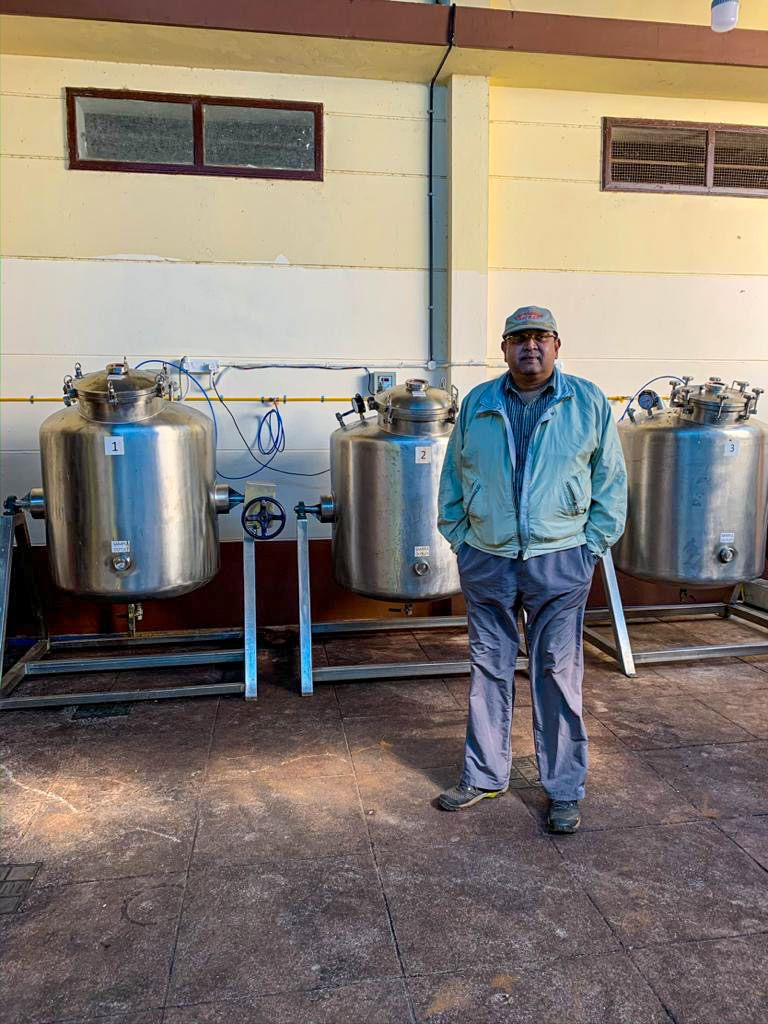
The carbonic macerated washed coffees are harvested at 23-27⁰ Brix, fermented anaerobically in-cherry for 48 hours, then depulped. The depulped seeds are placed in large stainless-steel fermenters which are then purged with carbon dioxide gas, and the coffee ferments for 90-120 hours. After removing the seeds, they are washed, soaked for 24 hours, and dried for 25-27 days. This incredible labor-and-time-intensive process produces coffee wholly unlike traditional washed India arabica. This year, we’ve found medium-intense tart acidity, clean sweetness, jammy berry notes, and cocoa or nut structure in the cup.
OFFERINGS THAT ADVANCE THE INDUSTRY
Ashok’s intention is to showcase India in a new form, and Ratnagiri Estate coffees do. We are grateful that Mr. Patre’s interest in specialty coffee was sparked over 10 years ago and that these offerings have reached our warehouse. As Cafe Imports sources throughout more regions, we find ourselves walking through farms that, in previous years, would not have been considered a specialty source. The forward-thinking producer, though, challenges the industry’s conception of what good coffee is and where it comes from, changing the landscape. Ashok is emblematic of this new era in coffee, and we can’t wait to walk his farm and facilities later this year.
To find out when coffees land, watch more interviews like this, and join our events, follow us on Instagram @cafeimports.
For a unique India offering on your espresso or filter bar, view our Ratnagiri Estate offerings now.
Earlier Posts
Harvest Report: Peru 2019
While Brazil has its famous efficiency and large volumes, and Colombia has its highly effective coffee-sector infrastructure, Perú is smaller, scrappier, and still just a little bit under the radar—but not for long.
A Closer Look at the Farm Select Program
Earlier this month (October 2019) we announced the establishment of a collaborative project between Cafe Imports and our export partners Banexport in Colombia, called Farm Select, an initiative designed to directly address the coffee-price crisis by creating a new sourcing pathway that not only gives producers more support, stability, and sustainable income, but also allows roasters to make direct impact through their purchases by developing real relationships and long-term contracts that show investment into the future of coffee and coffee farming.
Harvest Report: Tanzania 2019
Every green-coffee buyer and every coffee traveler has their own reasons for the places that feel particularly special to them. For some it’s the thrill of a new location, for others it’s the comfort of returning somewhere comfortable and familiar. For others, it’s all about flavor. Occasionally, when you’re really lucky, it’s a combination of all three: That’s what Cafe Imports’ green-coffee buyer for Africa, Claudia Bellinzoni, gets to experience whenever she goes to Tanzania, a place where she once lived to work in coffee, and where she is constantly exploring new possibilities along with re-connecting with old friends, colleagues, and cup profiles.
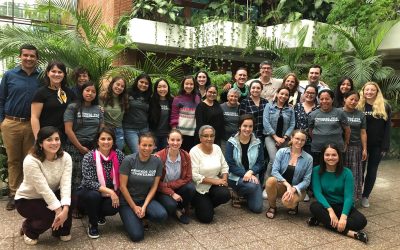
“Making Coffee Work for Women” – Grounds for Empowerment Workshop: Guatemala City 2019
Grounds for Empowerment is a women-focused coffee think-tank out of Emory University, which links a cohort of caficultoras together with coffee-industry mentors and students studying relevant fields such as economics, accounting, human health, and mathematics. Its mission is to open access for the producers to tools and expert guidance in order to, well, empower them to build their own marketing profiles, analyze their existing financial health and sustainability, uncover their potential and discuss areas where they can increase their market advantage, and set tangible goals for the future. Here’s a round-up of the 3.5-day event.
Harvest Report: Burundi 2019
There’s no question that we’re passionate about coffee: It’s what we live and breathe every day, and it fills every conversation and every dream we have around our offices day in and day out. It’s easy to forget, however, that one of the other things we’re passionate about are the behind-the-scenes details—like documentation and shipping—that help us arrange purchase, shipment, and subsequent sale of some of the best and brightest coffees around the globe. There are some coffee-growing places that remind us more than others that we are a logistics company just about as much as we’re a high-quality-coffee company, and Burundi is one of them.
Cafe Imports and Banexport Collaborate on Farm Select Program as a Response to the Price Crisis in Colombia
The Farm Select program partnership between Cafe Imports and Banexport in Colombia offers roasters a real and tangible way to combat the coffee-price crisis by sourcing fantastic, sustainable, and investment-centric coffees.
Storing Your Green Coffee: Best Practices
If you’re wondering what the ideal conditions are for storing your green, we’ve got a long answer and a short answer for you. The short answer, according to Cafe Imports’ sensory analysis director Ian Fretheim, is, “Cool and dry. That’s really it.”
Of course, there’s never just a short answer. Read on to find out about some specific conditions and containers that might help you preserve the quality and longevity of your favorite lots.
What’s “Anaerobic Fermentation” and Why Is It So Popular All of a Sudden?
Nothing stays the same in coffee for very long, and producers are always seeking new and improved ways to differentiate themselves, moderate their coffee’s flavor profiles, and offer exciting and interesting flavors to roasters and consumers all over the world. Sometimes a little experimentation and ingenuity can go a long way without having to re-invent the wheel, which is why we’re interested in the increasing popularity of anaerobic-environment fermentation.
Cafe Imports Europe and Don Sabino Micromill Collaborate on Exclusive, Traceable, and Transparent “Berlin Batch” for Berlin Coffee Festival
Roasters who are looking for a special opportunity leading up to Berlin Coffee Festival in October, we’ve got something special for you: We’ve partnered with the Don Sabino Micromill in Carrizal de Alajuela, Costa Rica, on a project we’re calling the Berlin Batch, a limited run of special-process coffees with full traceability and price transparency, as an experiment and a collaboration to explore the real nature of relationships in the coffee supply stream. Read on to find out more.
Harvest + Trip Report: Ecuador 2019
Ecuador is not typically the first place that comes to mind for fans of specialty coffee, but it’s not because the country lacks great cups: Some of our favorite South American coffees come from the misty mountains of Pichincha in the north and the biodiverse province of Loja in the south. Ecuador’s border neighbors of Colombia and Peru tend to outshine it in terms of annual yield and recognition, but every year the country’s reputation for quality, clarity, and personality inspires more and more specialty-coffee hunters to look to the farmers here for new profiles, captivating stories, and strong potential for growth.
Oxcart Coffee, Season 1: ¡Gracias Por Visitarnos!
The Oxcart Coffee – Cafe Imports Latin America office officially opened in San José, Costa Rica earlier this year, before the busiest part of the harvest season in that producing country. It was intended as a full-service export-import office where our green-coffee sourcing team in Costa Rica (green-coffee buyer Luis Arocha and green-buyer’s associate Francine Ramirez, along with Adriana Abarca in logistics and Eduardo Ramirez in sensory analysis) could receive, catalog, roast, cup offer samples, and contract and pay for coffees from the local producers with whom we’ve been working the past many years—but it very quickly became much more than that.
Women Coffee Producers Trip 2019
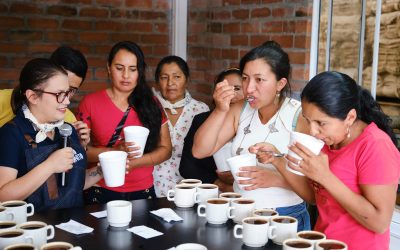
For the past two years, we have hosted a Resource trip to visit some of the associations who participate in our Women Coffee Producers program, a coffee-sourcing project through which we buy coffee from co-ops comprised entirely of women, or subgroups of women who are members of coed associations.
The coffees we buy from WCP participating women are given a gender-equity premium on top of their quality premium, as a way of attempting to bridge the pay and recognition gap that exists in most coffee-growing countries. Just a few weeks ago, our WCP trip went to Cauca, Colombia to visit AMACA and ASMUCAFE, and the experience was unforgettable for everyone. Click below to read a blog about the trip, featuring reflections from Cafe Imports staff as well as a few of the strong women roasters who came along.