
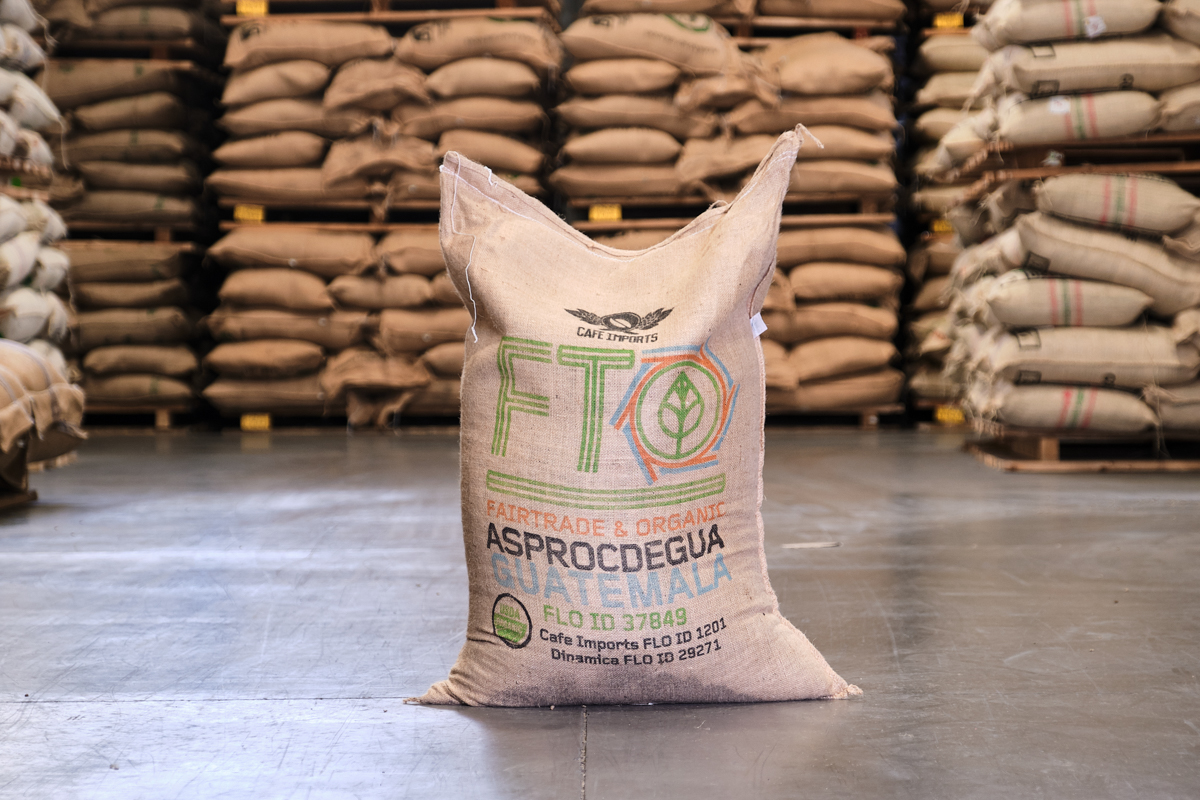
A Series about Certifications , part 2 – Fair Trade/Fairtrade
In the second post of this series, we’ll explore what “Fair Trade” means around the world, the potential benefits and drawbacks, and how to become certified.
In the second post of this series, we’ll explore what “Fair Trade” means around the world, the potential benefits and drawbacks, and how to become certified.
At this point, we’re all sick of updates and harvest reports that start with, “What a wild year this has been,” so we won’t make a whole production out of it: Simply put, coffee is never easy work, and these days that’s truer than almost ever before. This year has been a real test of the strength of our relationships, and while there have been a few setbacks, sadnesses, and disappointments, overall we have been shown the true power of commitments, partnerships, and of sticking together—as Cafe Imports founder and green-coffee buyer for Colombia Andrew Miller always says—through sickness and in health, in good times and bad.
Which is to say, yes, there is some bad news—but it’s not all bad, we promise. (Read on.)
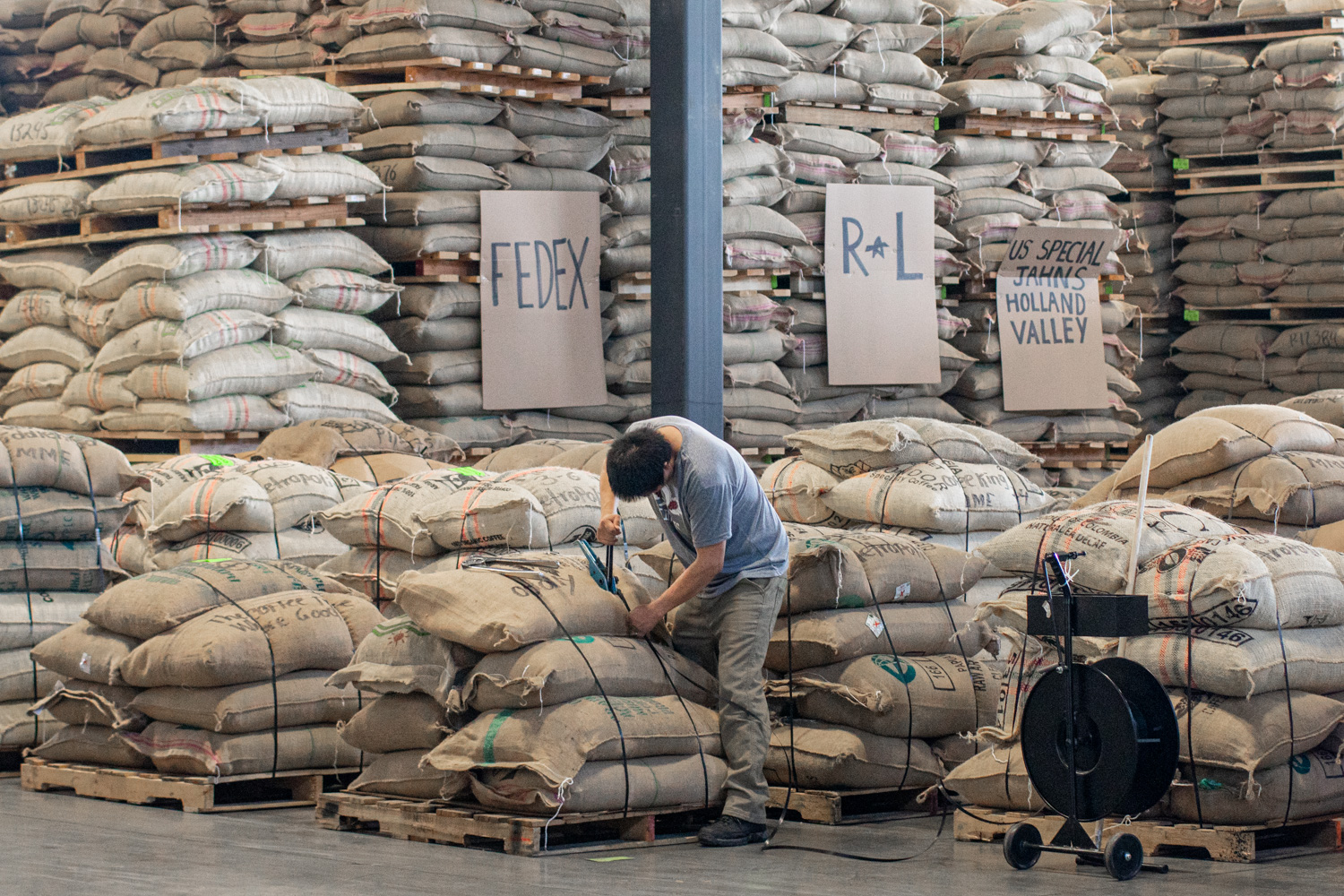
Well, friends, it’s coming up on the winter holiday season here in the U.S.A., which means two things: One, that we’ve almost made it to the end of 2020 (hooray!), and two, that it’s time for you to mark your calendars with service interruptions from domestic freight carriers, so nothing comes between you and your delicious coffee orders.
If you’re curious about certifications, this series is for you: Over the course of several blog posts, we’ll explore some of the existing certifications that are available for specialty green coffee, including taking a look at their mission, standards, and whatever auditing or other requirements are important for you to know.

Introducing Cafe Imports Office Hours, a casual regular get-together on Zoom so we can catch up, geek out, and talk about coffee together. Click here to read more and find out how to join us!
If there’s one thing we’ve learned these past few months, it’s that coffee will most definitely find a way.
Along with our producer partners, we’ve learned to adapt to Zoom to meetings rather than zoom from place to place on airplanes, and we’ve found other ways to stay in touch and even cup together (apart). In fact, we’ve been able to find a lot of joy from seeing friendly faces on our screens—especially when they have good news to share.
It turns out there has been one good thing that’s happened so far in 2020: Weather so perfect for the most recent harvest in Brazil that we can’t wait to tell you all about the coffee’s we’ll begin receiving shortly.
a user-friendly account-management platform that we’ve designed just for you. Through this easy-to-use interface, you can do just about everything you need, from shopping for coffee to managing your inventory, requesting samples, viewing invoices, tracking orders, and more.
When we set out to tell our customers about the most recent Kenyan harvest every year, we realize it’s always a story with many, many chapters: Flavor, of course, is where the action happens, but there’s also lots of history required for the set-up, characters to introduce, and some plot twists along the way. Thankfully, these are just the kinds of stories we love to read, and the ones we love to tell—especially when everything turns out so delicious in The End.
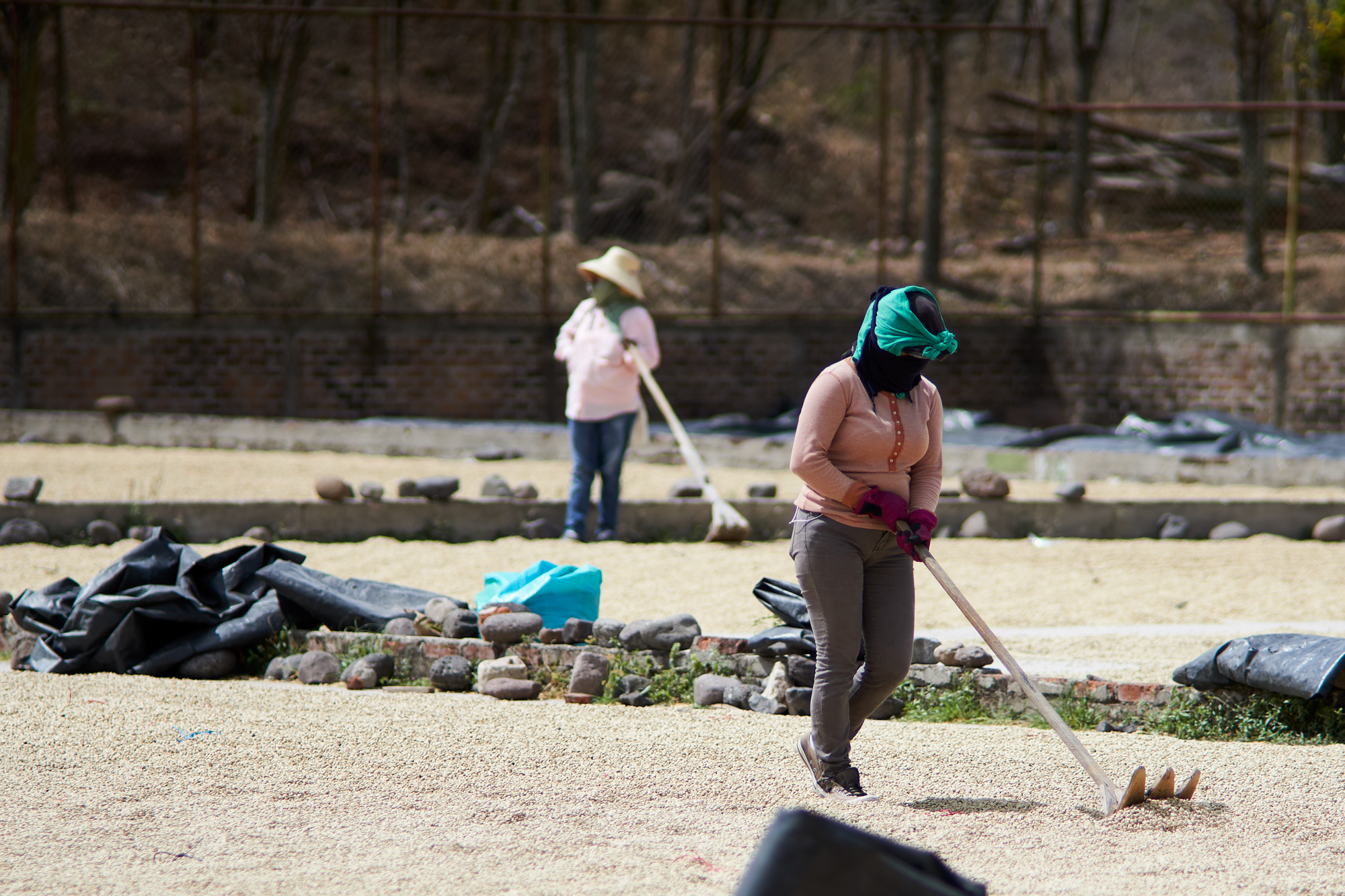
There are lots of great reasons to develop and maintain long-term relationships with producers and producer associations, and our history with the Fair Trade– and organic-certified PRODECOOP in Nicaragua is an amazing example of the power of showing up every year.
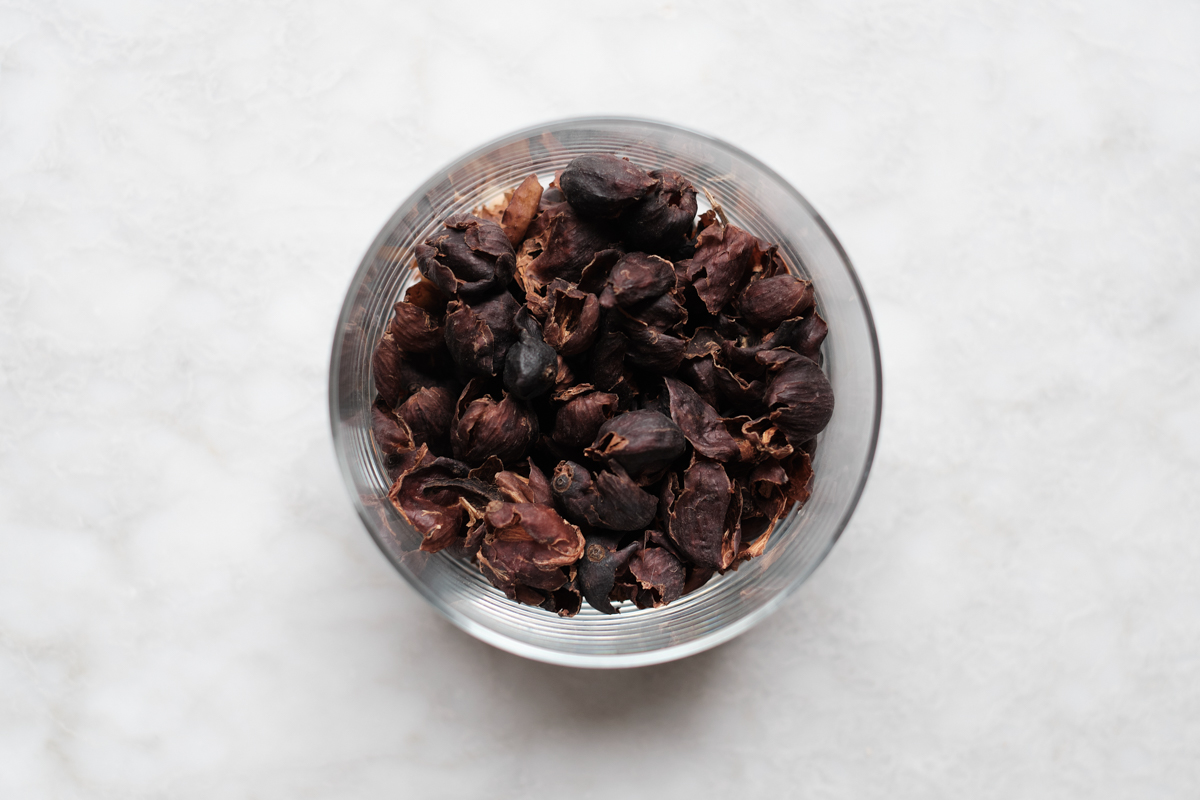
Hibiscus, rose, dried tart cherry, rooibos tea: These are tasting notes for coffee, but not the way you might think. They’re actually the words we’ve used to describe our fresh-crop lots of completely traceable, meticulously processed, and fully pasteurized cascara, which we’re thrilled to offer in limited quantities for the second year in a row!
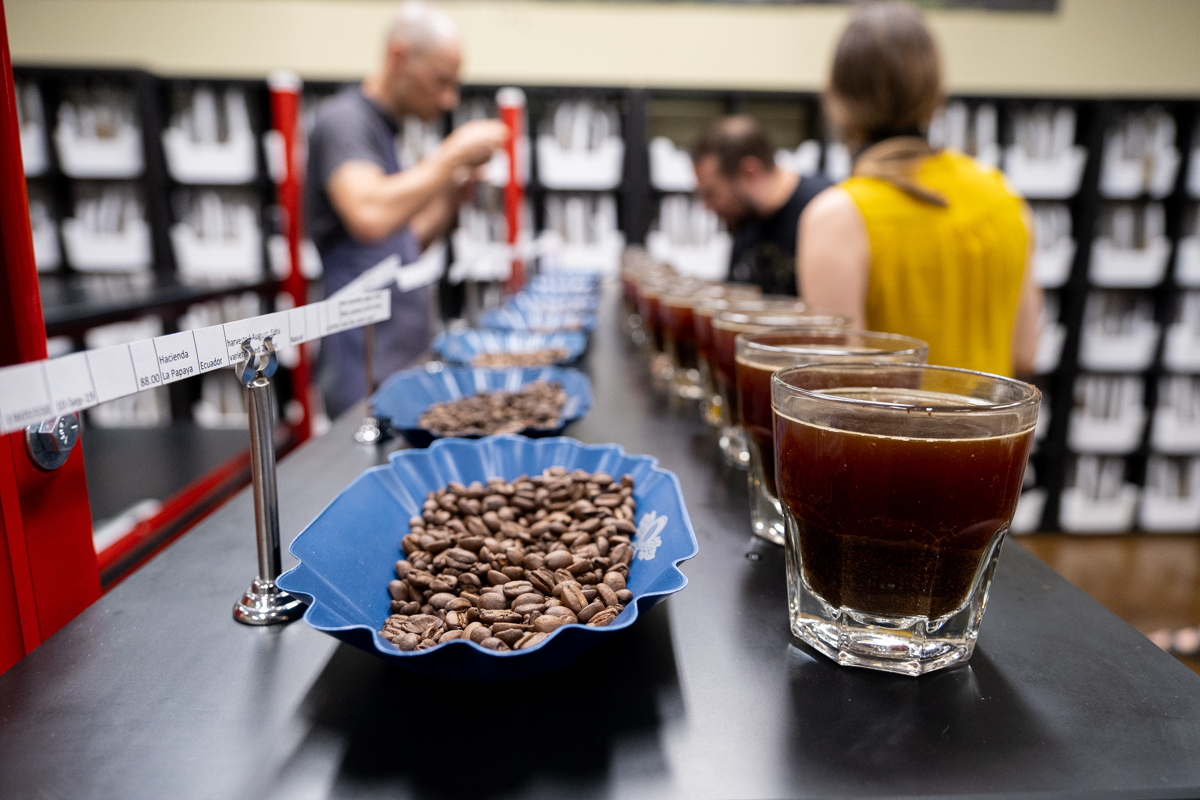
It’s probably happened to all of us: After searching and searching you come across a coffee that has the perfect cupping description, and you eagerly request a sample from your sales representative. When it arrives, you can’t wait to pop it into the sample roaster and get it on the cupping table as soon as possible—only to discover that you don’t taste white peach and sugar cane at all, you taste herbs and cocoa. What gives??
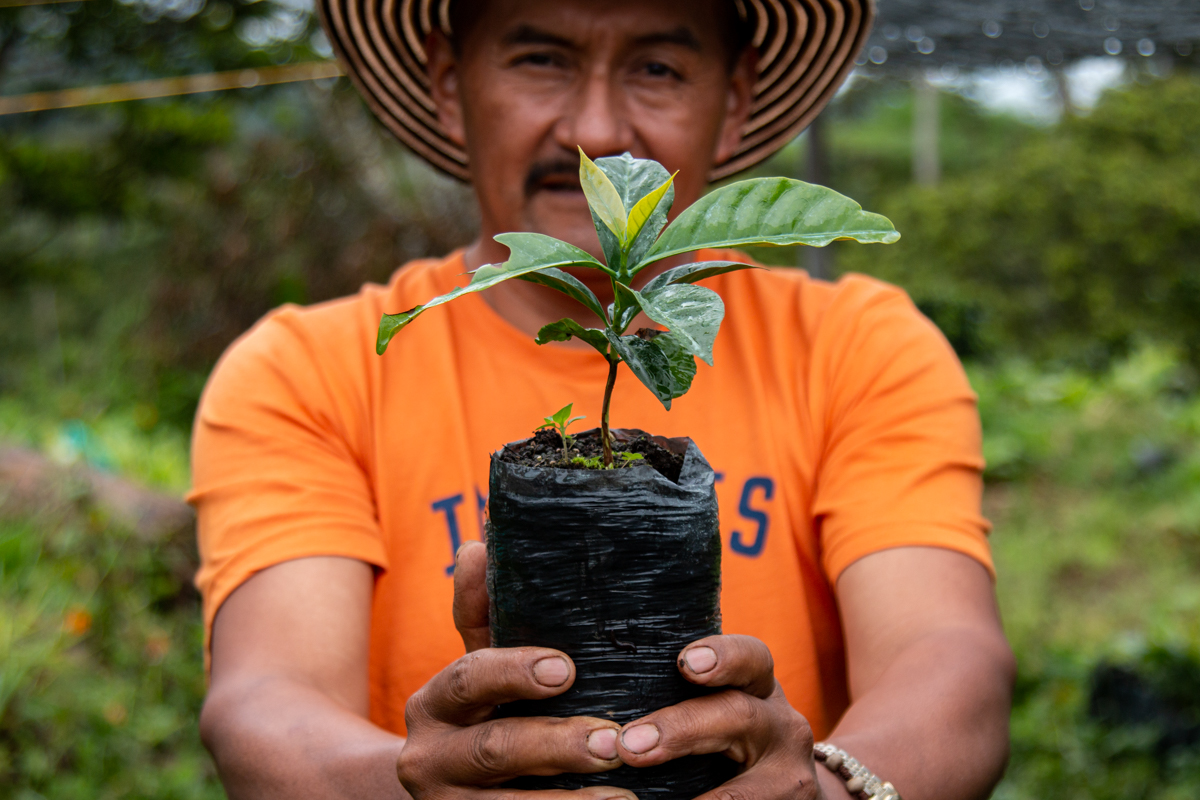
This is a time to put partnerships over profits, and we’re joining our Colombian export partner Fairfield Trading with a matching discount on all currently incoming lots from Los Naranjos Association, including those from Arnulfo Leguizamo’s farms, El Faldón and La Primavera. Fairfield Trading and Cafe Imports have both agreed to a 12.5¢ price reduction, for a total discount of 25¢ per pound.
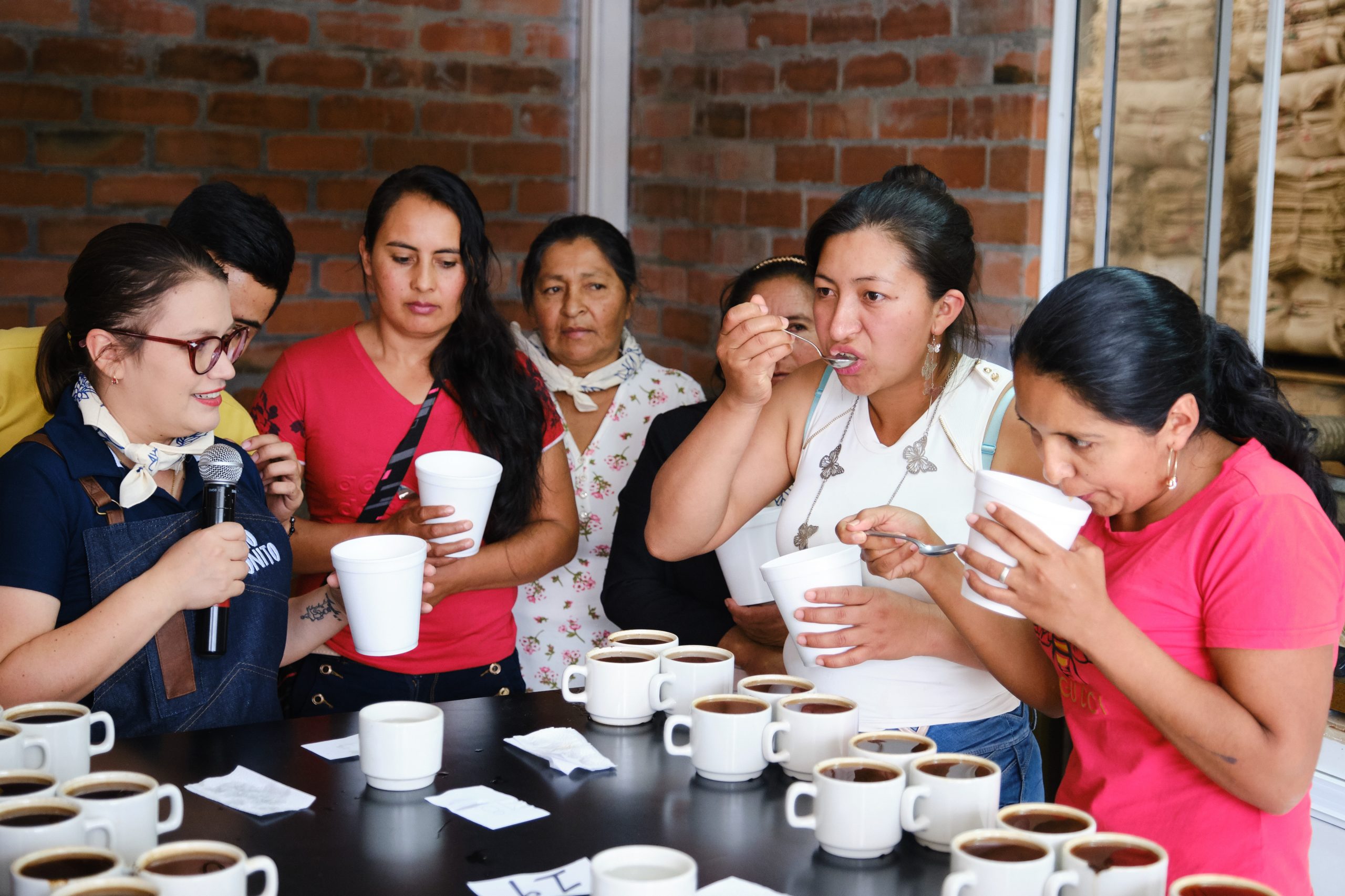
If there’s one myth we’d like to bust in the coffee world, it’s the belief that coffee is “man’s work.” Millions of women grow, pick, deliver, sort, cup, and sell coffee—and that’s an abridged list. Women in coffee production face specific obstacles and challenges that are solely the result of gender bias: According to the World Bank, “Women in half of the countries in the world are unable to assert equal land or property rights despite legal protections,” and countless women in the producing world have the three full-time jobs of being the sole caretakers of farm, family, and homestead.
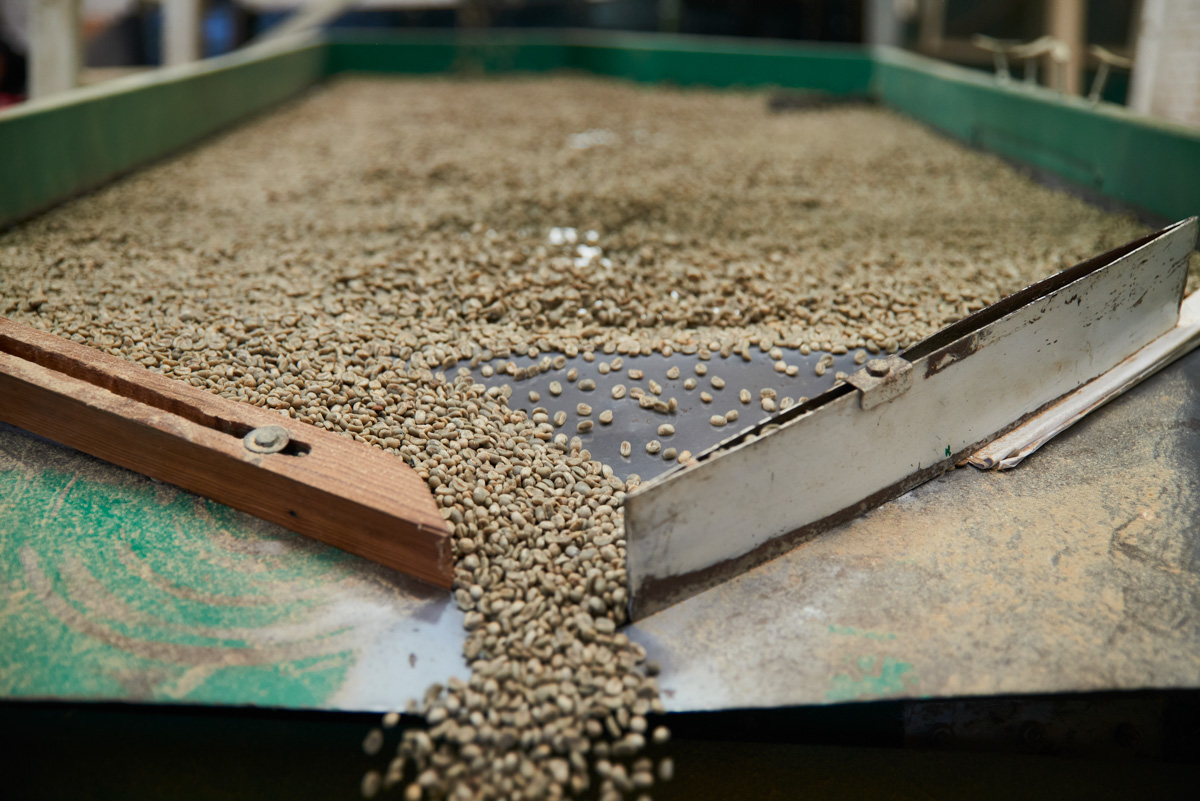
Well, so far we’ve made it through two months of working from home, social distancing, changing protocols, navigating a changing business landscape, and experiencing a real rollercoaster of emotions. Like you, we’ve also been overwhelmed by what feels like a constant barrage of news and information—including updates like this one—from just about everywhere and everyone.
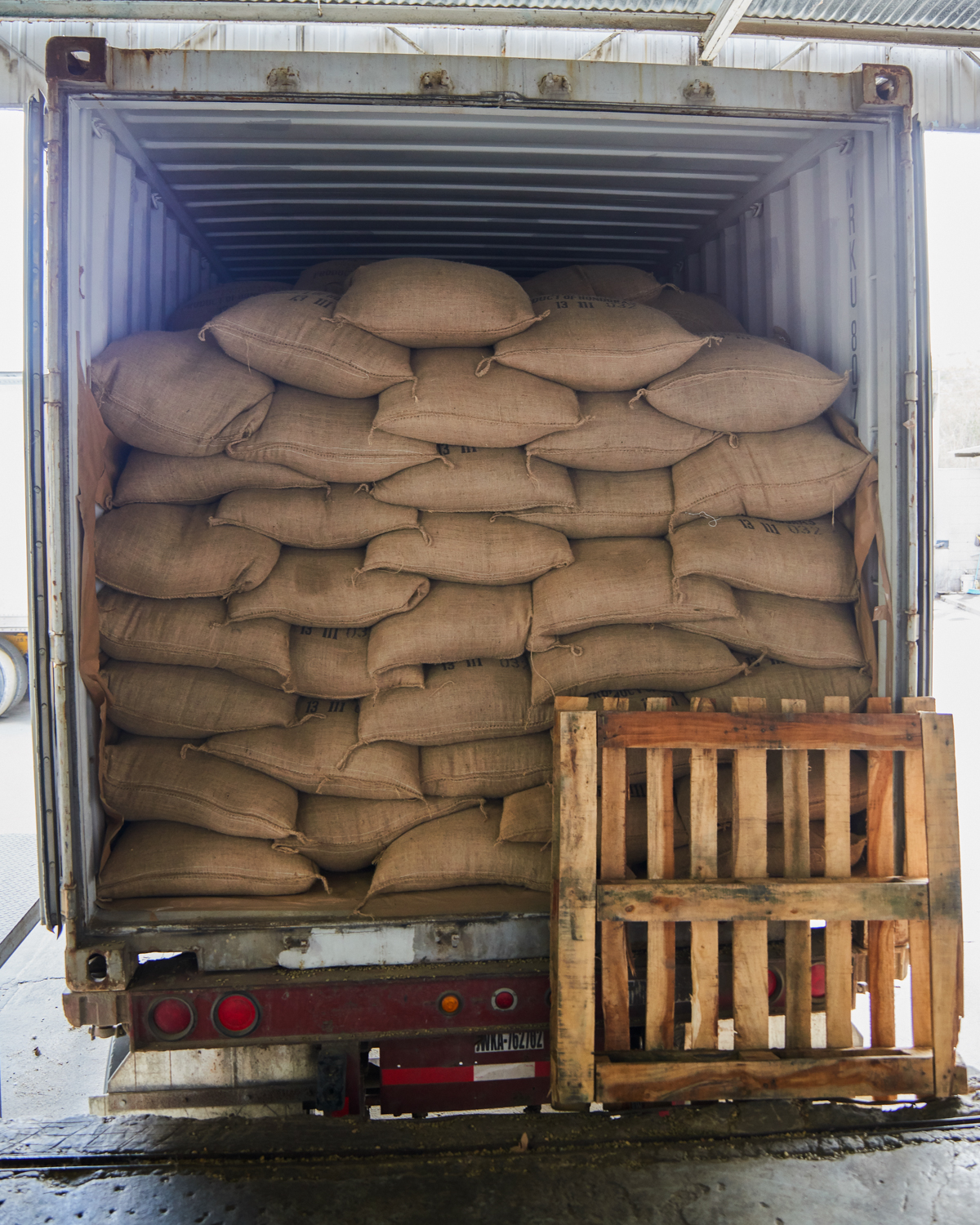
There have already been many immediate and obvious ways that the COVID-19 situation has affected the specialty-coffee industry, but we’re also keeping our eyes on a developing obstacle that may have further-reaching impact on the season of shipments we’re expecting over the coming weeks: a global container shortage and port backups that have been snowballing since late January.
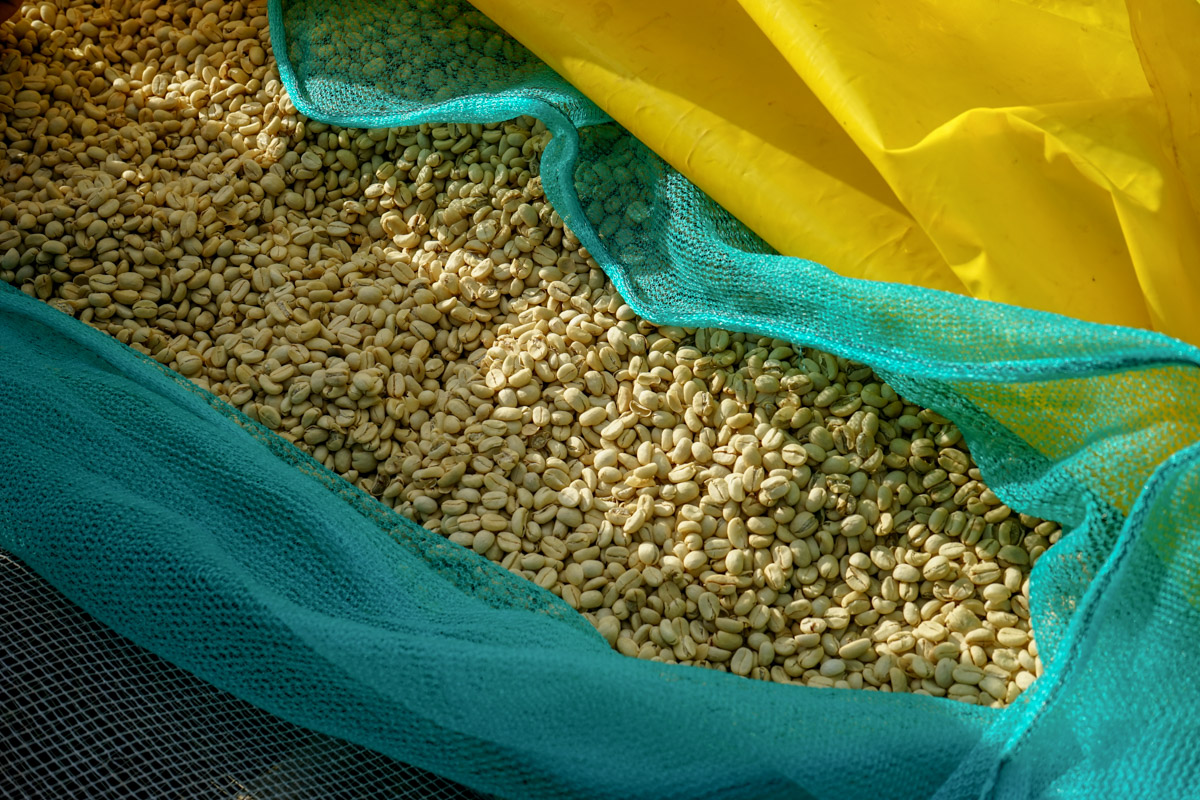
One thing we don’t normally do is offer discounts or have “sales” on green coffee, because we believe in trying to set a fair price for all of our partners—from the farmer to the exporter to the roaster—from the moment we contract the coffee. We’re living in unusual times, however, and we’re announcing our first-ever blanket discount on all of our current spot coffees from Tega & Tula Farm in Limu, Ethiopia.
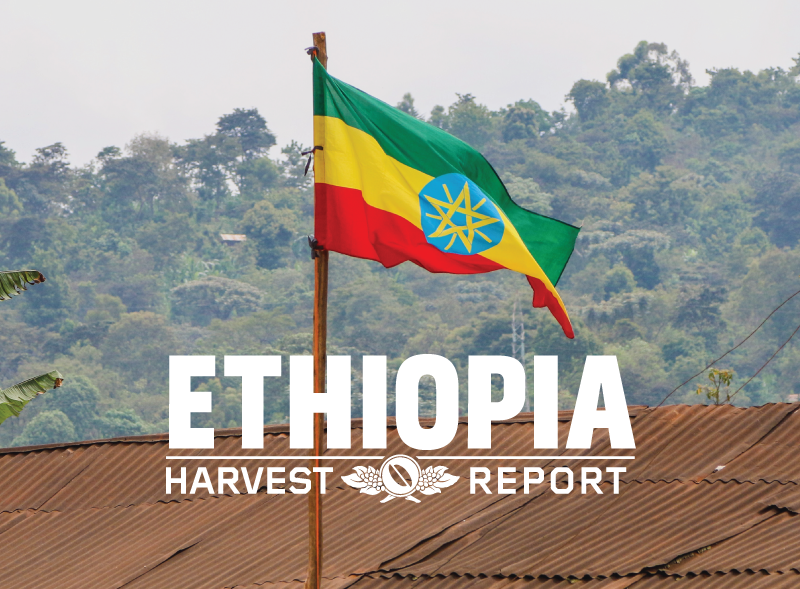
When all we can do is daydream about traveling, where else would we want our minds to wander? Let’s check in on the 2020 harvest in the birthplace of Arabica coffee: Beautiful Ethiopia.
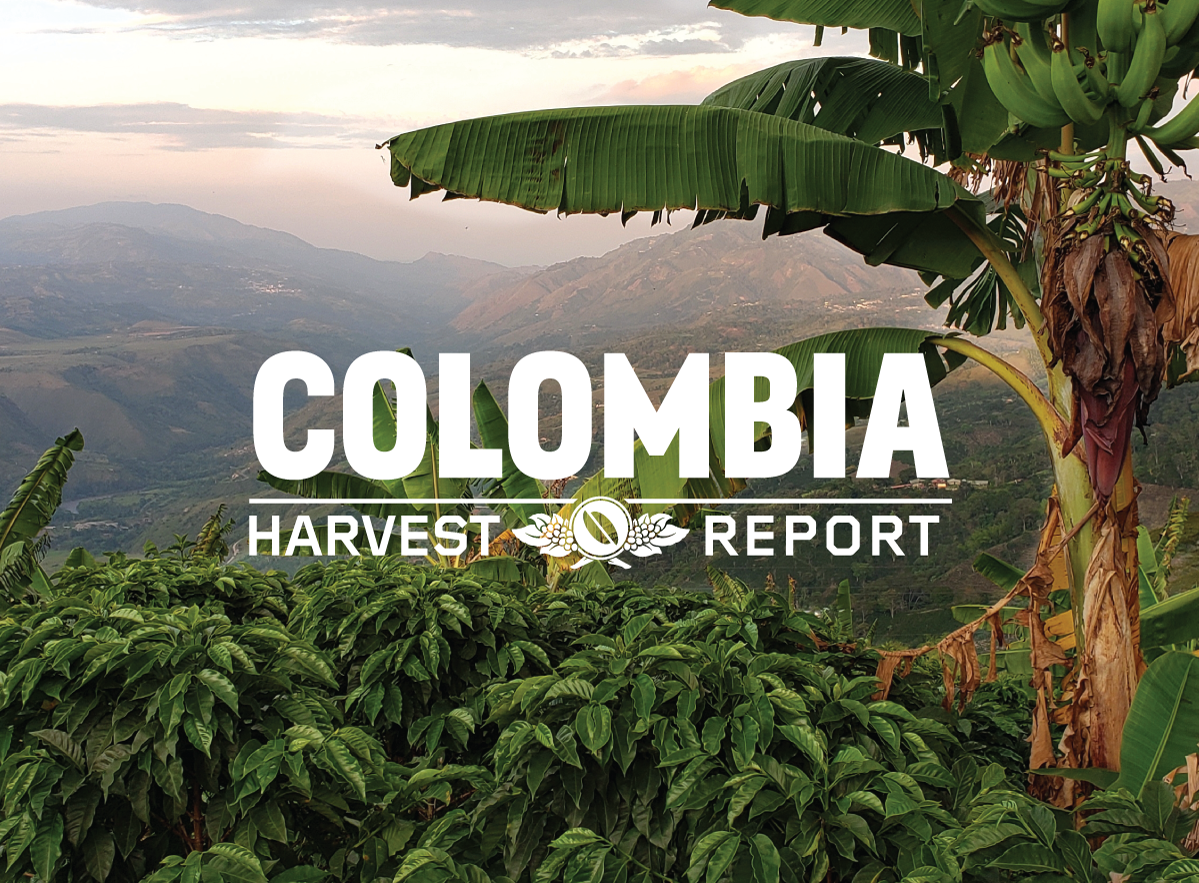
We say it every year, and every year we mean every word: Colombia is our second home, and it’s often an incubator for the ideas that become cornerstones of our business, our buying philosophy, and the scaffolding for our strongest relationships. This connection to the country is made possible through repeated visits—our green-coffee buyers visit more than once a quarter—as well as constant contact via e-mail, Skype, and WhatsApp in between. More often than not, we could give you an up-to-the moment idea of the weather in Bogotá as we could tell you whether the sun’s shining in Minneapolis, Berlin, or Melbourne where our sales offices are.
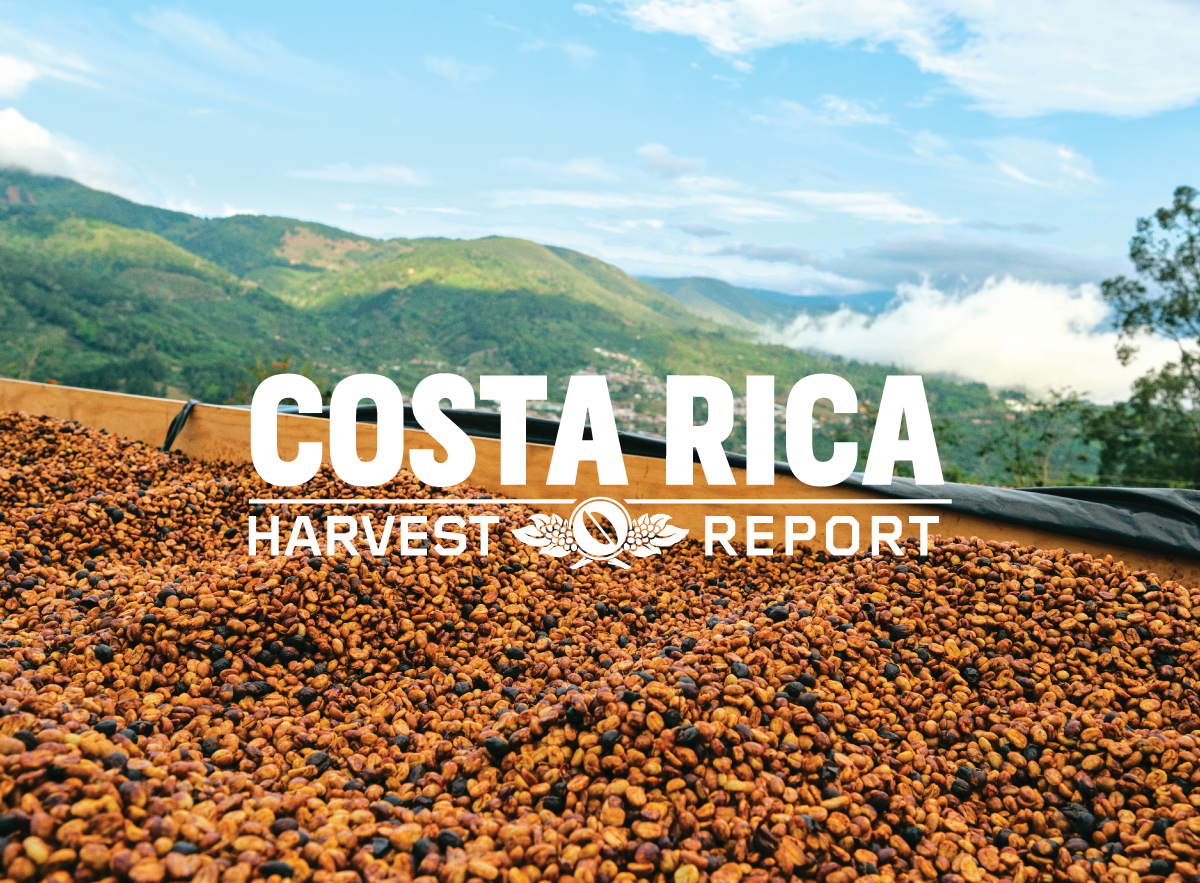
When we look at a beautiful harvest, or when we taste a brilliant cup, we tend to want to romanticize it: We imagine rolling hills and bright blue skies, the smell of fresh coffee blossoms, the sway of the shade trees. What we don’t think of are the countless steps that the producer went through to create that dreamy flavor experience, and the dozens of decisions that have to be made before, during, and at the end of the season in order to sustain or even improve the final product.